
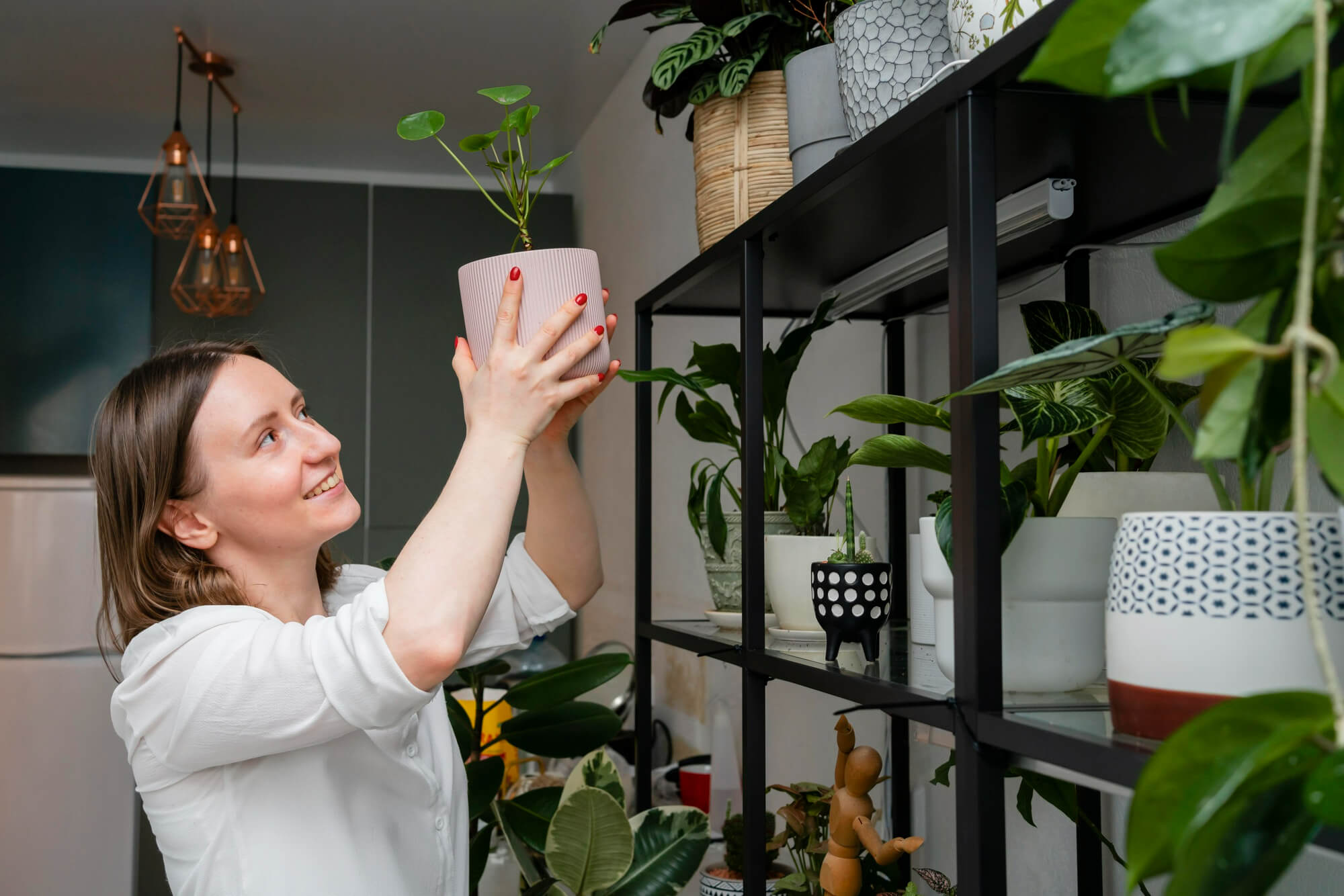
In modern living, our homes and offices are filled with synthetic materials, electronic devices, and closed windows. While these spaces feel comfortable, the air inside them is often more polluted than the air outdoors. Dust, mold spores, cleaning chemicals, and volatile organic compounds from furniture or paint accumulate indoors. Over time, this poor air quality can lead to fatigue, headaches, allergies, and even long-term health concerns. Fortunately, nature provides a simple and beautiful solution. Indoor plants not only enhance the look of a room but also improve air quality by filtering toxins and releasing oxygen.
For people who love greenery but worry about upkeep, there is good news. Many plants require little attention, thrive in different environments, and still deliver impressive benefits for cleaner air. This article explores how indoor plants help purify the atmosphere, why they are essential for health and well-being, and which low maintenance varieties you should consider bringing into your space.
Why Indoor Plants Improve Air Quality
Plants are natural air filters. Through photosynthesis, they absorb carbon dioxide and release oxygen, refreshing the air we breathe. More importantly, studies by NASA and other organizations have shown that many common houseplants remove pollutants such as benzene, formaldehyde, xylene, and trichloroethylene. These chemicals are found in household products like cleaners, paints, adhesives, and fabrics.
In addition to removing toxins, plants regulate humidity by releasing moisture into the air. This helps combat dry skin, irritated eyes, and respiratory discomfort caused by air conditioning or heating. Some plants even release antimicrobial compounds that reduce airborne microbes. The result is not just cleaner air but also a healthier indoor environment that supports concentration, relaxation, and better sleep.
Benefits Beyond Clean Air
While the main advantage of indoor plants is air purification, their benefits extend far beyond that. Greenery indoors has been shown to lower stress levels, improve mood, and increase productivity. Hospitals that incorporate plants report faster recovery times in patients. Offices with greenery see higher creativity and lower absenteeism.
Plants also enhance interior design. They add life and texture to any room, complementing styles from minimalist to bohemian. Large leafy plants make bold statements in living rooms, while small potted varieties brighten kitchens, bathrooms, or work desks. The combination of health benefits and aesthetic appeal makes plants one of the most valuable additions to any home or office.
Low Maintenance Indoor Plants That Purify the Air
Not everyone has the time or energy to care for demanding plants. Thankfully, many air-purifying plants thrive on minimal care. Below are some of the most effective and easy-to-grow options.
Snake Plant (Sansevieria trifasciata)
Often called “mother-in-law’s tongue,” the snake plant is a hardy species that tolerates neglect. Its tall, upright leaves with variegated patterns add elegance to any corner. Snake plants are highly efficient at filtering formaldehyde, benzene, and xylene. They are unique in that they release oxygen at night, making them excellent bedroom companions. Watering is required only when the soil is completely dry, and they adapt to both low and bright light.
Spider Plant (Chlorophytum comosum)
Spider plants are popular for good reason. Their arching leaves and small plantlets, often called “pups,” create a lively display. They excel at removing carbon monoxide and formaldehyde. Spider plants grow quickly, are non-toxic to pets, and thrive in indirect light. They require watering once or twice a week and forgive occasional neglect.
Peace Lily (Spathiphyllum)
Peace lilies are admired for their glossy leaves and white blooms that resemble calla lilies. They are powerful air purifiers, reducing toxins such as ammonia, benzene, and trichloroethylene. Peace lilies also increase humidity, making them helpful for dry environments. They prefer low to medium light and need only weekly watering. While slightly more sensitive than snake or spider plants, they remain manageable and provide stunning beauty.
Aloe Vera
Famous for its healing gel, aloe vera also acts as an air purifier. It removes benzene and formaldehyde and thrives with very little water. Aloe prefers bright, indirect light and sandy soil. Besides cleaning the air, its gel can be used to soothe burns, cuts, or skin irritation, making it a functional and decorative choice.
ZZ Plant (Zamioculcas zamiifolia)
The ZZ plant has become a favorite for modern interiors because of its shiny, waxy leaves and extreme durability. It tolerates low light, infrequent watering, and a variety of conditions. Despite requiring minimal care, it filters toxins and adds a touch of sophistication. Its slow growth means little maintenance, and it rarely attracts pests.
Bamboo Palm (Chamaedorea seifrizii)
Bamboo palms bring tropical vibes indoors with their feathery fronds. They are effective at removing benzene and trichloroethylene while adding humidity. Bamboo palms prefer indirect light and moderate watering. With proper care, they can grow into impressive floor plants that enhance living rooms or offices.
Rubber Plant (Ficus elastica)
Rubber plants are striking with their large, glossy leaves that range from deep green to burgundy. They are known to absorb carbon dioxide and release oxygen efficiently. Rubber plants thrive in bright, indirect light but can adapt to lower levels. They need occasional watering and wiping of leaves to keep them dust-free, which also improves their air-filtering ability.
Tips for Caring for Indoor Plants
Even low maintenance plants need some basic attention to stay healthy. Watering correctly is crucial. Overwatering is the most common mistake, leading to root rot. It is better to underwater slightly than to keep soil soggy. Most plants prefer soil that dries out partially between waterings.
Light is another key factor. While some plants thrive in low light, all need at least some indirect sunlight to stay strong. Rotating plants occasionally ensures even growth. Dusting leaves helps them breathe and perform photosynthesis more efficiently.
Using well-draining pots prevents water buildup. Fertilizing once every few months with a balanced houseplant fertilizer supports steady growth. Observing plants regularly makes it easier to catch signs of stress, such as yellowing leaves, and adjust care routines accordingly.
Indoor Plants and Pet Safety
While many indoor plants are harmless, some varieties can be toxic to cats and dogs. For example, peace lilies and rubber plants may cause stomach upset in pets if ingested. Pet owners should research each plant carefully and place potentially harmful ones out of reach. Safe options include spider plants, areca palms, and certain ferns. Balancing greenery with pet safety ensures a harmonious household.
Creating an Indoor Jungle
For enthusiasts who want more than just a few potted plants, creating an indoor jungle is an exciting way to combine health and décor. Start with easy plants like snake plants and spider plants, then gradually add variety. Grouping plants together creates a microclimate with higher humidity that benefits them. Using stands, shelves, and hanging baskets adds layers of greenery and transforms rooms into lush retreats.
The trend of indoor jungles has gained popularity on social media, inspiring countless people to embrace biophilic design. Beyond beauty, these green spaces provide measurable benefits in cleaner air, reduced stress, and improved well-being.
The Psychological Connection with Nature
Humans have an innate bond with nature, often called biophilia. Bringing plants indoors reconnects us to natural rhythms and colors that modern life often suppresses. Studies show that spending time in green environments lowers blood pressure, reduces anxiety, and boosts creativity. Indoor plants extend these benefits into our daily living spaces, providing small but powerful doses of nature even in urban apartments or offices.
Conclusion
Improving indoor air quality does not always require expensive purifiers or complex systems. Sometimes the simplest solution is also the most beautiful. Indoor plants clean the air, regulate humidity, and bring vitality to every room. Snake plants, spider plants, peace lilies, aloe vera, ZZ plants, bamboo palms, and rubber plants all prove that you can have cleaner air without demanding care routines.
Beyond their physical benefits, plants nurture the mind and spirit. They reduce stress, enhance focus, and connect us with the calming rhythms of nature. Whether you want a single pot on your desk or an indoor jungle that transforms your home, these low maintenance air-purifying plants provide a path to healthier, more balanced living.
By choosing the right plants, you invest not only in décor but also in long-term wellness. Clean air, calmer minds, and greener surroundings are gifts that keep giving, reminding us that nature belongs not just outdoors but within our homes as well.