

Inspired by Neighbour

Easy Nutrition Tips to Help You Feel Strong and Balanced

Eating well does not have to be complicated or perfect. You do not need strict diets, expensive products, or long recipe books to feel better in your body. Simple nutrition habits, done consistently, can give you more energy, steadier moods, and a greater sense of balance in daily life.

Think of nutrition as a way of taking care of yourself, not as a rule book. When food feels kind and supportive rather than stressful, it becomes much easier to build habits that last.

Start with Gentle, Not Perfect

Many people delay healthy eating because they think they must change everything at once. This usually leads to pressure, guilt, and giving up. A gentler approach works better.

Begin by adding small helpful changes instead of removing everything you enjoy. You might include one extra serving of vegetables, drink one more glass of water, or eat a more complete breakfast. These simple steps already move you toward feeling stronger and more balanced.

Build Your Plate Around Balance

A balanced plate makes meals more satisfying and keeps your energy steady. A simple way to think about it is to include three key parts most of the time.

Try to have a source of protein such as lentils, beans, eggs, yogurt, fish, tofu, paneer, chicken, or nuts. Add a source of slow carbohydrates like whole grains, potatoes, beans, or fruit. Include some healthy fat from foods like nuts, seeds, olive oil, or avocado. When you can, add colorful vegetables or salad for fiber and vitamins.

You do not need to measure or weigh. Just look at your plate and ask whether at least two or three of these parts are present. Over time this becomes automatic.

Do Not Skip Meals Regularly

Skipping meals might seem like a fast way to control weight or save time, but it often creates more problems. When you go too long without eating, your blood sugar can drop. This may leave you tired, shaky, or irritable.

Later in the day, your body tries to catch up. You may feel very hungry, eat too quickly, or crave a lot of sweets and heavy foods. Regular meals and snacks help prevent this cycle and keep mood and energy more stable.

Aim for eating something every three to four hours during the day. It does not always need to be a full meal. A small snack with some protein and carbohydrate can be enough to keep you going.

Make Breakfast Work for You

Breakfast does not have to be early, huge, or complicated. It is simply your first meal of the day, whenever you choose to have it. A balanced breakfast can prevent mid morning energy crashes and reduce sugar cravings later.

You might try simple combinations like fruit with yogurt, eggs with toast, oatmeal with nuts and seeds, or a smoothie with milk and a handful of oats. The goal is to include both protein and carbohydrates so that you feel satisfied, not just full for a short time.

If you are not used to eating in the morning, start small. Even a banana with a few nuts is a good step. Your appetite often adjusts after a week or two of regular morning eating.

Stay Gently Hydrated

Even mild dehydration can make you feel tired, unfocused, and moody. Drinking enough water is one of the simplest ways to feel more balanced.

You do not need to obsess over exact numbers. Notice the color of your urine instead. A light yellow color usually means you are fairly well hydrated. Very dark yellow suggests you may need more fluids.

Keep water visible and easy to reach. You can flavor it with slices of lemon, cucumber, or a little fruit if that helps you drink more. Herbal teas and soups also contribute to your fluid intake.

Choose Whole Foods More Often

Processed foods are not evil, and you do not have to remove them completely. However, focusing on foods that are closer to their natural form gives your body more nutrients and fiber.

Examples of whole or minimally processed foods include fresh or frozen fruits and vegetables, whole grains like brown rice or oats, beans, lentils, eggs, plain yogurt, nuts, seeds, and simple cuts of meat or fish.

You can still enjoy packaged items and treats. Try to make your everyday meals mostly whole foods, and let the more processed foods be extras instead of the main base of your diet.

Keep Snacks Simple and Satisfying

Snacks are not a sign of weak will. They are often necessary, especially when you have long gaps between meals. The key is to choose snacks that give both energy and staying power.

Think about pairing a carbohydrate with some protein or fat. For example, fruit with a few nuts, yogurt with a spoon of granola, toast with peanut butter, or vegetables with hummus. These combinations help you feel satisfied longer than sugary snacks alone.

Regular, balanced snacks can prevent the intense hunger that leads to overeating later.

Listen to Hunger and Fullness Signals

Your body sends signals about when it needs fuel and when it has had enough, but busy schedules and diet rules can drown them out. Gently reconnecting with hunger and fullness helps you eat the right amount for you.

Before a meal, pause and ask yourself how hungry you feel on a simple scale from one to ten. After eating, check in again. Aim to start eating when you feel moderately hungry and stop when you feel comfortably satisfied, not stuffed.

This is a skill, not a test. It becomes easier with practice. The goal is to trust your body more, not to judge yourself.

Support Stable Mood with Consistent Fuel

Food does not just affect your body. It also affects your mood. Long gaps between eating, very sugary meals, or extremely low calorie diets can lead to irritability, brain fog, and emotional ups and downs.

Balanced meals with protein, fiber, and healthy fats help keep your blood sugar more stable. This can contribute to steadier emotions and better focus. You may notice that difficult situations feel more manageable when your body is well fueled.

If you are feeling unusually low or anxious, it can help to ask yourself whether you have eaten enough that day. Sometimes your feelings improve noticeably after a simple, nourishing meal.

Make Small Preparations for Busy Days

Healthy eating often breaks down when you are rushed or tired. A little planning makes it much easier to stay balanced even on your busiest days.

You might cook a larger batch of grains, lentils, or beans once or twice a week and keep them in the fridge. Wash and chop some vegetables so they are ready to use. Keep quick items on hand such as eggs, yogurt, bananas, canned beans, or whole grain bread.

With a few basic ingredients ready, you can put together a simple meal in minutes instead of choosing whatever is fastest, even if it leaves you feeling sluggish.

Respect Your Culture and Preferences

Healthy eating does not mean abandoning the foods you grew up with or love. Traditional dishes can be rich in nutrients, especially when you include vegetables, legumes, and whole grains.

Instead of trying to follow a foreign or trendy plan that feels unnatural, look at your usual meals and ask how to make them a bit more balanced. You might add a side of salad, reduce very heavy frying slightly, or use more vegetables in a familiar recipe.

Enjoying your food is part of balanced nutrition. Satisfaction helps prevent constant cravings and feelings of restriction.

Allow Treats Without Guilt

Feeling strong and balanced does not require you to avoid sweets or favorite comfort foods forever. In fact, strict rules can create shame and binge patterns.

Give yourself permission to enjoy treats mindfully. Eat them when you truly want them, not only when you are extremely stressed or starving. Sit down, taste them slowly, and notice how you feel during and after.

When treats are allowed and enjoyed calmly, they fit into a healthy pattern without controlling you.

Know When to Ask for Help

General nutrition tips are helpful for most people, but some situations need professional guidance. If you have medical conditions such as diabetes, kidney disease, serious digestive problems, or an eating disorder, it is important to speak with a doctor or a registered dietitian.

They can help you adapt these ideas safely for your body and medications. Personalized advice is especially important if you plan big changes to your diet.

Small Steps that Build a Stronger You

You do not need a perfect plan or dramatic changes to feel more strong and balanced. Start with one or two small habits that feel realistic. Maybe you drink a little more water, add protein to your breakfast, or plan one balanced snack each day.

As these steps become normal, you can add more. Over time, your meals will naturally shift toward more nourishment and less stress. Your energy, mood, and sense of control are likely to improve.

Nutrition is not only about what you eat. It is also about how you treat yourself. When food becomes an act of care rather than punishment, you build a kinder relationship with your body. From that place, feeling strong and balanced becomes much more possible.
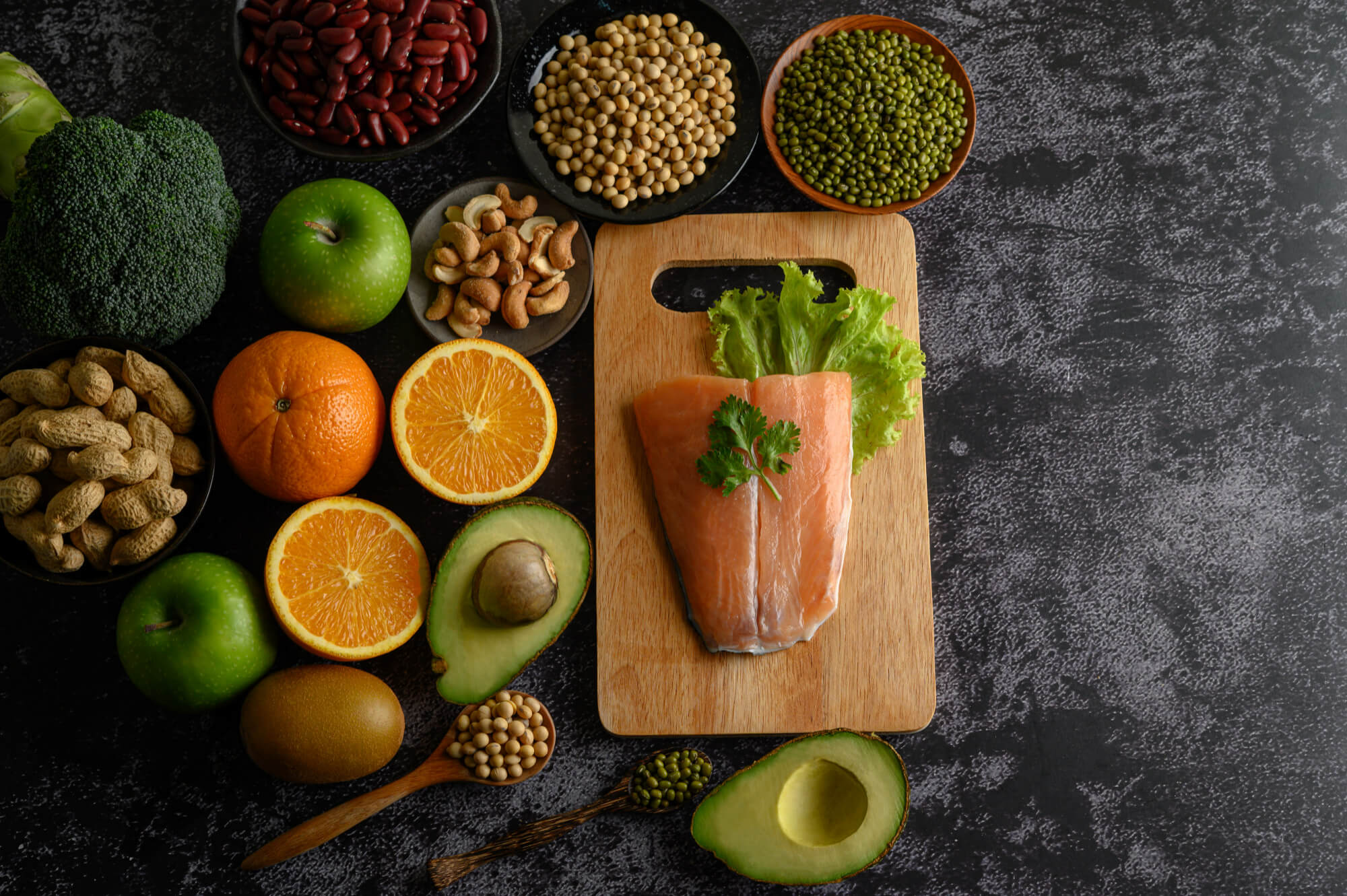

The Hidden Heroes: 12 Superfoods That Redefine Energy and Longevity

When most of us think of boosting energy, the first image that comes to mind is a steaming cup of coffee or a quick sugar hit from a snack bar. Those might get you through the next hour, but they rarely sustain your body or mind in the long run. Real energy isn’t about jolts; it’s about steady fuel, sharp focus, and a body that can handle life’s demands without constantly crashing. That’s where nutrient-packed superfoods shine. They are the quiet heroes in your kitchen, often overlooked, yet capable of transforming your vitality and even extending your lifespan when eaten consistently. Let’s explore twelve of the most powerful.

Blueberries
Small but mighty, blueberries are sometimes referred to as “brain berries.” Their deep blue hue comes from anthocyanins, antioxidants that protect your brain cells from oxidative stress and support memory as you age. Beyond brain health, their natural sweetness makes them a perfect energy-boosting snack. Toss them into yogurt, blend them into smoothies, or sprinkle them on your morning oatmeal to start your day with a nutrient punch.

Spinach
This leafy green has been celebrated since the days of Popeye for good reason. Spinach is loaded with iron, which helps red blood cells transport oxygen, keeping fatigue at bay. It’s also high in magnesium, which relaxes your muscles and improves sleep quality. A daily handful in salads or sautéed with garlic can give your body a steady stream of nourishment without weighing you down.

Quinoa
This ancient grain is a true multitasker. Unlike most plant-based foods, quinoa is a complete protein, offering all nine essential amino acids. That makes it a favorite among vegetarians and athletes who need balanced recovery fuel. It also contains manganese, folate, and fiber that keep your digestive system running smoothly and your energy levels stable. Swap your usual rice or pasta for quinoa once or twice a week and you’ll feel the difference.

Almonds
There’s a reason almonds are a go-to snack for hikers and busy professionals alike. Packed with protein, vitamin E, and healthy fats, they provide long-lasting energy and keep hunger in check. Their crunch is satisfying, but their nutrient profile is even more rewarding, protecting your skin, heart, and energy reserves. Keep a small handful in your bag and you’ll always have a natural energy bar within reach.

Chia Seeds
These tiny black seeds may look unassuming, but they swell into a nutrient powerhouse when soaked in liquid. High in omega-3 fatty acids, fiber, and protein, chia seeds promote heart health, brain sharpness, and satiety. Their gel-like texture when soaked makes them versatile for puddings, smoothies, or even as an egg substitute in baking. Think of them as nature’s energy gel, slow-releasing fuel without the sugar crash.

Sweet Potatoes
Unlike refined carbohydrates, sweet potatoes provide complex carbs that digest slowly, offering steady energy. They’re also loaded with beta-carotene, which the body converts to vitamin A, vital for immunity and vision. Roasted, mashed, or baked, sweet potatoes feel like comfort food yet nourish like a superfood. They remind us that healthy food can be both indulgent and sustaining.

Green Tea
Green tea deserves a place on this list not just for its modest caffeine content, which lifts alertness, but also for its unique amino acid, L-theanine. Together, they create a state of calm focus, unlike the jittery buzz of coffee. Packed with catechins, green tea also supports metabolism and reduces inflammation. Sipping it daily can become a ritual that feeds both your body and mind.

Turmeric
This golden spice has been revered in traditional medicine for centuries, and modern research backs its benefits. Its active compound, curcumin, is a potent anti-inflammatory and antioxidant, linked to reduced risk of chronic diseases and improved joint health. A pinch of turmeric in curries, soups, or even warm milk can add not only color but life-enhancing power to your meals.

Salmon
If there’s one protein source worth spotlighting, it’s salmon. Rich in omega-3 fatty acids, high-quality protein, and vitamin D, salmon supports everything from brain health to muscle repair. Regular consumption is linked with lower risk of heart disease and improved mood. It’s a reminder that sometimes the best “superfoods” are found in simple, whole ingredients rather than trendy powders.

Avocado
Once demonized for its fat content, avocado has now become a global favorite. Its creamy texture hides monounsaturated fats that are excellent for heart health, as well as potassium that helps regulate blood pressure. Spread on toast, sliced in salads, or blended into smoothies, avocados are one of the most versatile superfoods around.

Lentils
Affordable, filling, and nutrient-rich, lentils are the unsung heroes of plant-based eating. They’re high in protein, fiber, and minerals like folate and iron. What makes lentils special is how they stabilize blood sugar and provide slow-burning energy, making them ideal for anyone looking to avoid fatigue throughout the day.

Dark Chocolate
Yes, chocolate makes the cut — but not the sugar-heavy kind. Dark chocolate with at least 70 percent cocoa is packed with flavonoids, which improve blood flow and brain function. It also provides a gentle caffeine boost. In moderation, dark chocolate is proof that healthy eating can feel indulgent, offering both energy and joy.

When you look at these foods as a group, a clear picture emerges. Energy and longevity don’t come from restriction or fad diets but from consistently eating nutrient-dense foods that your body recognizes, absorbs, and thrives on. Superfoods aren’t exotic luxuries; many are simple, accessible ingredients that can transform your meals into medicine.

Conclusion: Building a Life Fueled by Nutrients

It’s easy to believe that living with more energy and extending your years requires dramatic changes, but the truth is far simpler. Every choice you make about what to put on your plate nudges your body in one direction or another. You can fuel yourself with quick fixes that burn out fast, or you can choose foods that build resilience, sharpen your mind, and protect your health for decades to come.

The beauty of nutrient-rich superfoods is that they don’t just extend life, they enrich it. Imagine waking up with clearer focus, powering through your day without the dreaded afternoon crash, and ending it with the steady satisfaction of knowing your body has what it needs to heal and thrive. That’s the gift of eating with intention.

Start small. Add blueberries to your breakfast, swap soda for green tea, or prepare lentils once a week. These may feel like minor tweaks, but over time they weave into habits that carry immense power. The science is clear: consistent nutrient-dense eating reduces the risk of chronic diseases, boosts immunity, and slows the aging process. But beyond science, there’s the lived experience — feeling vibrant, alive, and capable at every stage of life.

You don’t need to overhaul your lifestyle overnight or chase exotic supplements to achieve lasting health. You need to return to what is real, simple, and nourishing. The foods we’ve explored here are more than just ingredients; they’re tools for longevity, for steady energy, and for a richer daily existence.

So the next time you find yourself reaching for a quick caffeine fix or a processed snack, pause and remember: true vitality isn’t found in a can or a packet. It’s grown in the earth, ripened under the sun, and waiting patiently in the simplest of foods. All you have to do is choose it.

10 Daily Habits to Boost Immunity Naturally

Introduction

In today’s world where fast-paced routines and endless responsibilities dominate our lives, our immune system often becomes the unsung hero working silently in the background. It shields us from infections, helps us recover faster when we do fall sick, and plays a vital role in our overall energy levels. Yet most of us only think about immunity when we catch a cold or flu. The truth is that building a strong immune system is not a one-day task. It is the result of small, consistent daily habits that nurture and strengthen the body’s defense mechanism.

You do not need expensive supplements or drastic lifestyle changes to achieve this. The answer lies in simple, practical actions that can fit seamlessly into your routine. Let us explore ten everyday habits that can naturally boost your immunity, improve resilience, and keep you feeling healthier for longer.

Habit 1: Start Your Morning with Hydration

Your immune system thrives when your body is well hydrated. After hours of sleep, the body wakes up in a state of mild dehydration. Drinking a glass of water first thing in the morning helps flush out toxins, kickstarts digestion, and primes the body for nutrient absorption throughout the day. Adding a slice of lemon provides vitamin C, which is a known immunity booster. Over time, this morning ritual becomes a foundation for better energy and stronger defenses.

Habit 2: Prioritize Nutrient-Dense Foods

Immunity cannot exist without nutrition. What you put on your plate directly impacts your body’s ability to fight off illness. Fresh fruits, vegetables, whole grains, and lean proteins provide essential vitamins and minerals like zinc, vitamin C, vitamin D, and iron. These nutrients play critical roles in producing white blood cells and antibodies. Instead of obsessing over supplements, think of every meal as an opportunity to fuel your immune system. Choosing colorful produce is an easy way to ensure you are consuming a variety of antioxidants that combat inflammation and keep immune cells functioning at their best.

Habit 3: Get Sufficient Sleep

Sleep is nature’s repair mechanism. While you are asleep, your body produces proteins called cytokines that fight infection and inflammation. Skimping on rest weakens this process and leaves you vulnerable to illness. Adults generally need seven to nine hours of quality sleep, but it is not just the duration that matters. Establishing a consistent sleep routine, keeping screens away before bed, and creating a relaxing sleep environment are all essential. When sleep becomes a priority, immunity becomes stronger without extra effort.

Habit 4: Move Your Body Daily

Exercise is often seen as a way to lose weight or build muscle, but it is also a powerful immune booster. Moderate physical activity increases circulation, allowing immune cells to move more freely through the body. It also reduces stress hormones that can suppress immune function. The goal is not extreme workouts but consistent movement. A brisk walk, yoga session, or cycling routine for at least 30 minutes most days can make a noticeable difference. Consistency is more important than intensity.

Habit 5: Manage Stress Mindfully

Chronic stress is one of the biggest enemies of a strong immune system. When your body is in a constant state of alert, stress hormones like cortisol remain elevated and interfere with immune function. The solution lies not in eliminating stress altogether but in learning how to manage it. Practices like meditation, deep breathing, journaling, or even spending time in nature can lower stress levels. Over time, this helps the body restore balance and create a healthier environment for immunity to thrive.

Habit 6: Maintain a Healthy Gut

The gut is often called the second brain, but it is also the headquarters of immunity. Nearly 70 percent of the immune system resides in the gut, which means the health of your microbiome directly affects your ability to fight illness. Consuming probiotic-rich foods like yogurt, kefir, kimchi, or sauerkraut helps maintain healthy gut bacteria. Prebiotic foods such as garlic, onions, and bananas feed these good bacteria. Together, they create a thriving ecosystem that enhances immune response.

Habit 7: Limit Sugar and Processed Foods

It can be tempting to reach for sugary snacks when energy dips, but high sugar intake weakens immune defenses. Studies have shown that excess sugar suppresses the ability of white blood cells to fight bacteria. Similarly, processed foods loaded with unhealthy fats and preservatives create inflammation that burdens the immune system. Choosing whole, natural foods instead of packaged items is a long-term investment in stronger health.

Habit 8: Stay Socially Connected

Surprisingly, strong immunity is not only about physical health. Social connections and emotional well-being play a crucial role. Loneliness and isolation can weaken immune function, while meaningful relationships promote resilience. Engaging in conversations, spending time with loved ones, or even joining a community group provides a sense of belonging that indirectly strengthens the body’s defenses. Humans are wired for connection, and our immune system reflects that.

Habit 9: Practice Good Hygiene

Although it seems obvious, hygiene remains one of the simplest yet most powerful tools for immunity. Washing hands regularly, avoiding touching the face unnecessarily, and keeping surfaces clean can dramatically reduce exposure to harmful pathogens. Hygiene is not about paranoia but about giving your immune system fewer battles to fight so it can focus on more significant threats.

Habit 10: Embrace Sunlight and Nature

Exposure to natural sunlight provides vitamin D, a nutrient crucial for immune health. Spending at least 15 to 20 minutes outdoors daily can improve vitamin D levels and enhance mood. Nature also lowers stress, encourages physical activity, and connects you to a slower rhythm of life. Whether it is a morning walk in the park or simply sitting in your backyard, regular time in nature acts as a natural immune booster.

Conclusion

Strengthening your immune system does not require radical changes or expensive products. It is the consistent practice of small, everyday habits that compound into long-term health. Drinking enough water, choosing whole foods, resting deeply, staying active, and nurturing connections with others are the real secrets to resilience. Think of your immune system as a trusted friend. It works tirelessly for you every single day, and by adopting these ten habits, you give it the support it deserves. When you invest in your immunity, you are investing in a healthier, more energetic, and more fulfilling life.

Link Between Nutrition and Weight Loss: Strategies for Success

Unlock the secrets of successful weight loss by understanding the crucial link between nutrition and your goals. Discover effective strategies and tips to help you achieve your desired weight through smart eating choices and lifestyle changes.

Have you ever found yourself staring at the scale, frustrated, and wondering why your efforts to shed those extra pounds aren’t yielding the desired results? Trust me, I’ve been there too. Weight loss can be a challenging journey, and sometimes it feels like we’re fighting an uphill battle. Well, friend, I’ll give you a little secret today that might make all the difference: a link between diet and weight loss.

Let’s face it, we live in a world where fad diets and quick fixes abound. Turn on the television, and you’ll be bombarded with infomercials promising miraculous results in just a few days. But here’s the truth: sustainable weight loss isn’t about depriving yourself or following the latest trend. It’s about making informed choices and understanding the impact of nutrition on your body.

The Basics of Nutrition
The first step you should do while trying to lose weight is to go back to the fundamentals. You can get the confidence to make wiser decisions and take charge of your health by comprehending the basic tenets of nutrition. So, let’s break it down.

Macronutrients: The Building Blocks

Macronutrients are the three essential components of our diet: carbohydrates, proteins, and fats. Each of these plays a crucial role in our body’s functioning. Carbohydrates provide energy, proteins repair and build tissues, and fats help with hormone production and nutrient absorption.

Micros: The Unsung Heroes

While macronutrients get all the attention, micronutrients shouldn’t be overlooked. These are the vitamins and minerals that our body needs in smaller amounts but are equally vital for our overall well-being. Think of them as the unsung heroes that keep our bodies functioning optimally.

Calories: The Balancing Act
Ah, calories—the dreaded C-word. We often hear people talking about cutting calories to lose weight, but it’s important to understand that calories aren’t the enemy. In fact, they’re a unit of energy that fuels our body. The key is to strike a balance between the calories we consume and the calories we burn through physical activity.

Unlocking the Link: Nutrition and Weight Loss
Now that we’ve laid the groundwork, it’s time to dive into the fascinating link between nutrition and weight loss. You see, what you put into your body matters—a lot. It’s not just about the quantity of food; it’s about the quality too.

Choose Nutrient-Dense Foods
One of the most effective strategies for weight loss is to focus on nutrient-dense foods. These are foods that pack a punch in terms of vitamins, minerals, and other beneficial compounds, all while being relatively low in calories. Think colorful fruits and vegetables, lean proteins, whole grains, and healthy fats. By incorporating more of these foods into your diet, you’ll not only nourish your body but also feel fuller for longer.

Mindful Eating: Slow Down and Savor
In our fast-paced lives, it’s easy to fall into the habit of mindless eating. We gobble down our meals while multitasking, barely registering what we’re putting into our mouths. But here’s the thing: our bodies are pretty smart. By slowing down and savoring each bite, we give our brain the chance to catch up and signal when we’re full. So put away your phone, turn off the TV, and embrace the art of mindful eating.

Portion Control: Size Matters
Let’s be real—portion sizes have gotten out of control. What we consider a single serving today might have been enough to feed a small family a few decades ago. It’s time to reset our perception of portion sizes. Start by using smaller plates and bowls, and pay attention to your body’s hunger and fullness cues. Remember, you can always go back for seconds if you’re still hungry, but chances are, you’ll find that smaller portions are more than sufficient.

Hydration: Quench Your Thirst, Control Your Cravings
Did you know that sometimes when you feel hungry, you’re actually just thirsty? It’s true! Dehydration can often masquerade as hunger, leading us to reach for unnecessary snacks. Stay hydrated by drinking plenty of water throughout the day, and you might find that your cravings diminish. Plus, water has zero calories, making it the ultimate weight loss elixir.

Conclusion
When it comes to weight loss, nutrition is the cornerstone of success. By understanding the link between what we eat and how it affects our bodies, we can make informed choices that support our goals. Remember, there’s no one-size-fits-all approach, so be patient with yourself and find what works best for you. It’s not about perfection; it’s about progress.

So, my friend, take a deep breath, embrace the power of nutrition, and embark on your weight loss journey with confidence. Armed with the strategies and tips I’ve shared, you’re well on your way to achieving the healthy, vibrant life you deserve. Trust the process, stay committed, and never forget—you’ve got this!