
Inspired by Neighbour

Refreshing Herbal Drinks for Midday Energy

If your energy usually disappears right after lunch, you are not alone. That heavy, sleepy feeling in the middle of the day is something almost everyone fights. Many people reach for another cup of coffee or a sugary drink, only to feel jittery and then even more tired. Herbal drinks offer a softer, kinder way to wake your body and mind. They refresh you, hydrate you, and support your focus without overwhelming your system.

Midday is a precious time. It sits between everything you have already done and everything you still hope to finish. A simple herbal drink can become a small daily ritual that resets your mood and helps you move into the rest of the day with a clearer head. Instead of treating energy as something you must force, you begin to treat it as something you gently invite.

Why Herbal Drinks Are Perfect for Midday Energy

Herbal drinks are usually lighter than traditional tea or coffee and they rarely rely on high sugar or heavy cream. Many herbs are naturally rich in plant compounds that support circulation, digestion, and mental clarity. When these systems work better, you often feel more awake without needing a strong stimulant.

Another advantage is the way herbal drinks encourage hydration. Tiredness in the afternoon is often simple dehydration in disguise. By infusing water with fresh herbs, roots, or flowers, you create a drink that feels special and flavourful, so you are more likely to sip it often.

There is also an emotional side. Preparing a herbal drink can be a mindful pause. You rinse the mint, slice the lemon, hear the sound of boiling water, and breathe in the aroma. In just a few minutes, you step away from screens, slow down your breathing, and reset your thoughts. When you return to your tasks, you are not only less thirsty but a little more grounded.

A Simple Formula for an Energizing Herbal Drink

You do not need a complicated recipe to enjoy herbal energy in the middle of the day. Most refreshing drinks follow a simple formula.

Start with a base. This can be plain water, lightly sparkling water, or brewed herbal tea that has been cooled. Choose something gentle so that the herbs and citrus can shine.

Add your hero herb. For freshness and a cool lift, mint works beautifully. For a more grounded and focused feeling, rosemary or tulsi (holy basil) are wonderful choices. Ginger is helpful when you feel heavy after lunch, as it may support digestion and reduce that sluggish feeling.

Balance with brightness. A slice of lemon, orange, or even a few pomegranate seeds can transform the drink. The natural acids in citrus fruits bring a clean, bright taste that wakes up your senses.

Finish with a touch of natural sweetness if you like. A little honey, jaggery, or agave can soften strong flavours. However, aim for just enough to please your tongue instead of turning your drink into a dessert. This keeps your blood sugar stable and prevents a later crash.

Once you understand this formula, you can create countless variations using what you already have in your kitchen or in the small herb pots on your balcony.

Three Herbal Drinks to Lift Your Afternoon

Let us walk through a few ideas you can try at home. Use them as inspiration rather than strict rules. Feel free to adjust the quantities according to your taste.

Mint Lemon Midday Cooler

This drink is bright, light, and perfect for warm days. Take a handful of fresh mint leaves and gently crush them between your fingers or with the back of a spoon to release their oils. Add them to a glass or jug of cool water. Squeeze in half a lemon and drop a couple of lemon slices into the water as well. If you enjoy a hint of sweetness, stir in a small spoon of honey. Let it sit for five to ten minutes so the flavours can mingle. The result is a clean, cooling drink that makes you feel instantly more refreshed.

Tulsi Ginger Refresher

Tulsi, or holy basil, has a comforting and uplifting aroma. Combined with ginger, it becomes an ideal drink after a heavy lunch. Boil water and add a few fresh tulsi leaves or a teaspoon of dried tulsi. Add a few thin slices of fresh ginger. Let it simmer gently for a couple of minutes and then switch off the heat. Cover and let it steep for another five minutes. Strain it into a cup. You can enjoy it warm if your office or home feels cold, or let it cool and pour it over ice. The tulsi helps you feel calm yet alert, while ginger adds a gentle warmth that supports digestion.

Cucumber Rosemary Infused Water

If you prefer something almost spa like, this drink is for you. Slice a small cucumber into thin rounds. Add them to a jug of water with a short sprig of fresh rosemary. Rosemary has a pine like aroma that many people find very clarifying. Place the jug in the fridge for an hour before your midday break if you can. The cucumber makes the water taste crisp and light, and the rosemary offers a subtle energy that feels clear and steady. This is a lovely drink to keep at your desk for slow sipping through the afternoon.

Turning Herbal Drinks into a Daily Ritual

The real magic of these drinks appears when they become part of your routine. It helps to think of your herbal drink as a small appointment with yourself. If your midday break is usually at one o clock or three o clock, prepare your herbs a little earlier so they are ready.

You might keep a small box of dried herbs at work along with a favourite mug, or a glass bottle you love to use. At home, you could keep a tray with a jar of honey, a small knife, and a cutting board, so it feels easy to assemble your drink. When the clock moves toward midday, your hands already know what to do.

This routine can also be shared. You might prepare a big jug of infused water and place it in the office pantry, inviting your colleagues to pour a glass. In an apartment building, you could bring a chilled herbal drink to a neighbour who works from home or cares for small children all day. These tiny gestures create small bridges between people and turn simple drinks into quiet acts of kindness.

A Gentle Note on Safety and Balance

Most herbal drinks are mild and safe for everyday use, but it is still wise to listen to your body. If you are pregnant, nursing, or taking regular medication, talk with a healthcare professional before consuming large amounts of any single herb. Some herbs can interact with medicines or may not be suitable in certain conditions.

It is also helpful to rotate your herbs. Instead of drinking the same strong infusion every single day, enjoy a variety. One day you might prepare mint and lemon, another day tulsi and ginger, and on a third day cucumber and rosemary. Variety keeps both your taste buds and your body happy.

Finally, remember that a drink alone cannot fix deep exhaustion, chronic stress, or lack of sleep. Think of your midday herbal drink as one friendly member of a bigger support team that includes rest, movement, sunshine, and connection with others.

Sipping Your Way into a Better Afternoon

Refreshing herbal drinks are simple, affordable, and surprisingly joyful. They ask for only a few minutes of your time, yet they change the texture of your day. The act of choosing an herb, adding citrus, and pouring water becomes a quiet reminder that you deserve care even in the busiest hours.

The next time you feel your shoulders droop and your eyelids grow heavy after lunch, pause before you reach for another coffee. Step into your kitchen, balcony, or pantry instead. Find a few leaves of mint, some tulsi, or a sprig of rosemary. Build yourself a glass of gentle energy. Then sit, sip, and let your afternoon begin again.


10 Daily Habits to Boost Immunity Naturally

Introduction

In today’s world where fast-paced routines and endless responsibilities dominate our lives, our immune system often becomes the unsung hero working silently in the background. It shields us from infections, helps us recover faster when we do fall sick, and plays a vital role in our overall energy levels. Yet most of us only think about immunity when we catch a cold or flu. The truth is that building a strong immune system is not a one-day task. It is the result of small, consistent daily habits that nurture and strengthen the body’s defense mechanism.

You do not need expensive supplements or drastic lifestyle changes to achieve this. The answer lies in simple, practical actions that can fit seamlessly into your routine. Let us explore ten everyday habits that can naturally boost your immunity, improve resilience, and keep you feeling healthier for longer.

Habit 1: Start Your Morning with Hydration

Your immune system thrives when your body is well hydrated. After hours of sleep, the body wakes up in a state of mild dehydration. Drinking a glass of water first thing in the morning helps flush out toxins, kickstarts digestion, and primes the body for nutrient absorption throughout the day. Adding a slice of lemon provides vitamin C, which is a known immunity booster. Over time, this morning ritual becomes a foundation for better energy and stronger defenses.

Habit 2: Prioritize Nutrient-Dense Foods

Immunity cannot exist without nutrition. What you put on your plate directly impacts your body’s ability to fight off illness. Fresh fruits, vegetables, whole grains, and lean proteins provide essential vitamins and minerals like zinc, vitamin C, vitamin D, and iron. These nutrients play critical roles in producing white blood cells and antibodies. Instead of obsessing over supplements, think of every meal as an opportunity to fuel your immune system. Choosing colorful produce is an easy way to ensure you are consuming a variety of antioxidants that combat inflammation and keep immune cells functioning at their best.

Habit 3: Get Sufficient Sleep

Sleep is nature’s repair mechanism. While you are asleep, your body produces proteins called cytokines that fight infection and inflammation. Skimping on rest weakens this process and leaves you vulnerable to illness. Adults generally need seven to nine hours of quality sleep, but it is not just the duration that matters. Establishing a consistent sleep routine, keeping screens away before bed, and creating a relaxing sleep environment are all essential. When sleep becomes a priority, immunity becomes stronger without extra effort.

Habit 4: Move Your Body Daily

Exercise is often seen as a way to lose weight or build muscle, but it is also a powerful immune booster. Moderate physical activity increases circulation, allowing immune cells to move more freely through the body. It also reduces stress hormones that can suppress immune function. The goal is not extreme workouts but consistent movement. A brisk walk, yoga session, or cycling routine for at least 30 minutes most days can make a noticeable difference. Consistency is more important than intensity.

Habit 5: Manage Stress Mindfully

Chronic stress is one of the biggest enemies of a strong immune system. When your body is in a constant state of alert, stress hormones like cortisol remain elevated and interfere with immune function. The solution lies not in eliminating stress altogether but in learning how to manage it. Practices like meditation, deep breathing, journaling, or even spending time in nature can lower stress levels. Over time, this helps the body restore balance and create a healthier environment for immunity to thrive.

Habit 6: Maintain a Healthy Gut

The gut is often called the second brain, but it is also the headquarters of immunity. Nearly 70 percent of the immune system resides in the gut, which means the health of your microbiome directly affects your ability to fight illness. Consuming probiotic-rich foods like yogurt, kefir, kimchi, or sauerkraut helps maintain healthy gut bacteria. Prebiotic foods such as garlic, onions, and bananas feed these good bacteria. Together, they create a thriving ecosystem that enhances immune response.

Habit 7: Limit Sugar and Processed Foods

It can be tempting to reach for sugary snacks when energy dips, but high sugar intake weakens immune defenses. Studies have shown that excess sugar suppresses the ability of white blood cells to fight bacteria. Similarly, processed foods loaded with unhealthy fats and preservatives create inflammation that burdens the immune system. Choosing whole, natural foods instead of packaged items is a long-term investment in stronger health.

Habit 8: Stay Socially Connected

Surprisingly, strong immunity is not only about physical health. Social connections and emotional well-being play a crucial role. Loneliness and isolation can weaken immune function, while meaningful relationships promote resilience. Engaging in conversations, spending time with loved ones, or even joining a community group provides a sense of belonging that indirectly strengthens the body’s defenses. Humans are wired for connection, and our immune system reflects that.

Habit 9: Practice Good Hygiene

Although it seems obvious, hygiene remains one of the simplest yet most powerful tools for immunity. Washing hands regularly, avoiding touching the face unnecessarily, and keeping surfaces clean can dramatically reduce exposure to harmful pathogens. Hygiene is not about paranoia but about giving your immune system fewer battles to fight so it can focus on more significant threats.

Habit 10: Embrace Sunlight and Nature

Exposure to natural sunlight provides vitamin D, a nutrient crucial for immune health. Spending at least 15 to 20 minutes outdoors daily can improve vitamin D levels and enhance mood. Nature also lowers stress, encourages physical activity, and connects you to a slower rhythm of life. Whether it is a morning walk in the park or simply sitting in your backyard, regular time in nature acts as a natural immune booster.

Conclusion

Strengthening your immune system does not require radical changes or expensive products. It is the consistent practice of small, everyday habits that compound into long-term health. Drinking enough water, choosing whole foods, resting deeply, staying active, and nurturing connections with others are the real secrets to resilience. Think of your immune system as a trusted friend. It works tirelessly for you every single day, and by adopting these ten habits, you give it the support it deserves. When you invest in your immunity, you are investing in a healthier, more energetic, and more fulfilling life.

Indoor Plants That Improve Air Quality: Low Maintenance Options

In modern living, our homes and offices are filled with synthetic materials, electronic devices, and closed windows. While these spaces feel comfortable, the air inside them is often more polluted than the air outdoors. Dust, mold spores, cleaning chemicals, and volatile organic compounds from furniture or paint accumulate indoors. Over time, this poor air quality can lead to fatigue, headaches, allergies, and even long-term health concerns. Fortunately, nature provides a simple and beautiful solution. Indoor plants not only enhance the look of a room but also improve air quality by filtering toxins and releasing oxygen.

For people who love greenery but worry about upkeep, there is good news. Many plants require little attention, thrive in different environments, and still deliver impressive benefits for cleaner air. This article explores how indoor plants help purify the atmosphere, why they are essential for health and well-being, and which low maintenance varieties you should consider bringing into your space.

Why Indoor Plants Improve Air Quality

Plants are natural air filters. Through photosynthesis, they absorb carbon dioxide and release oxygen, refreshing the air we breathe. More importantly, studies by NASA and other organizations have shown that many common houseplants remove pollutants such as benzene, formaldehyde, xylene, and trichloroethylene. These chemicals are found in household products like cleaners, paints, adhesives, and fabrics.

In addition to removing toxins, plants regulate humidity by releasing moisture into the air. This helps combat dry skin, irritated eyes, and respiratory discomfort caused by air conditioning or heating. Some plants even release antimicrobial compounds that reduce airborne microbes. The result is not just cleaner air but also a healthier indoor environment that supports concentration, relaxation, and better sleep.

Benefits Beyond Clean Air

While the main advantage of indoor plants is air purification, their benefits extend far beyond that. Greenery indoors has been shown to lower stress levels, improve mood, and increase productivity. Hospitals that incorporate plants report faster recovery times in patients. Offices with greenery see higher creativity and lower absenteeism.

Plants also enhance interior design. They add life and texture to any room, complementing styles from minimalist to bohemian. Large leafy plants make bold statements in living rooms, while small potted varieties brighten kitchens, bathrooms, or work desks. The combination of health benefits and aesthetic appeal makes plants one of the most valuable additions to any home or office.

Low Maintenance Indoor Plants That Purify the Air

Not everyone has the time or energy to care for demanding plants. Thankfully, many air-purifying plants thrive on minimal care. Below are some of the most effective and easy-to-grow options.

Snake Plant (Sansevieria trifasciata)

Often called “mother-in-law’s tongue,” the snake plant is a hardy species that tolerates neglect. Its tall, upright leaves with variegated patterns add elegance to any corner. Snake plants are highly efficient at filtering formaldehyde, benzene, and xylene. They are unique in that they release oxygen at night, making them excellent bedroom companions. Watering is required only when the soil is completely dry, and they adapt to both low and bright light.

Spider Plant (Chlorophytum comosum)

Spider plants are popular for good reason. Their arching leaves and small plantlets, often called “pups,” create a lively display. They excel at removing carbon monoxide and formaldehyde. Spider plants grow quickly, are non-toxic to pets, and thrive in indirect light. They require watering once or twice a week and forgive occasional neglect.

Peace Lily (Spathiphyllum)

Peace lilies are admired for their glossy leaves and white blooms that resemble calla lilies. They are powerful air purifiers, reducing toxins such as ammonia, benzene, and trichloroethylene. Peace lilies also increase humidity, making them helpful for dry environments. They prefer low to medium light and need only weekly watering. While slightly more sensitive than snake or spider plants, they remain manageable and provide stunning beauty.

Aloe Vera

Famous for its healing gel, aloe vera also acts as an air purifier. It removes benzene and formaldehyde and thrives with very little water. Aloe prefers bright, indirect light and sandy soil. Besides cleaning the air, its gel can be used to soothe burns, cuts, or skin irritation, making it a functional and decorative choice.

ZZ Plant (Zamioculcas zamiifolia)

The ZZ plant has become a favorite for modern interiors because of its shiny, waxy leaves and extreme durability. It tolerates low light, infrequent watering, and a variety of conditions. Despite requiring minimal care, it filters toxins and adds a touch of sophistication. Its slow growth means little maintenance, and it rarely attracts pests.

Bamboo Palm (Chamaedorea seifrizii)

Bamboo palms bring tropical vibes indoors with their feathery fronds. They are effective at removing benzene and trichloroethylene while adding humidity. Bamboo palms prefer indirect light and moderate watering. With proper care, they can grow into impressive floor plants that enhance living rooms or offices.

Rubber Plant (Ficus elastica)

Rubber plants are striking with their large, glossy leaves that range from deep green to burgundy. They are known to absorb carbon dioxide and release oxygen efficiently. Rubber plants thrive in bright, indirect light but can adapt to lower levels. They need occasional watering and wiping of leaves to keep them dust-free, which also improves their air-filtering ability.

Tips for Caring for Indoor Plants

Even low maintenance plants need some basic attention to stay healthy. Watering correctly is crucial. Overwatering is the most common mistake, leading to root rot. It is better to underwater slightly than to keep soil soggy. Most plants prefer soil that dries out partially between waterings.

Light is another key factor. While some plants thrive in low light, all need at least some indirect sunlight to stay strong. Rotating plants occasionally ensures even growth. Dusting leaves helps them breathe and perform photosynthesis more efficiently.

Using well-draining pots prevents water buildup. Fertilizing once every few months with a balanced houseplant fertilizer supports steady growth. Observing plants regularly makes it easier to catch signs of stress, such as yellowing leaves, and adjust care routines accordingly.

Indoor Plants and Pet Safety

While many indoor plants are harmless, some varieties can be toxic to cats and dogs. For example, peace lilies and rubber plants may cause stomach upset in pets if ingested. Pet owners should research each plant carefully and place potentially harmful ones out of reach. Safe options include spider plants, areca palms, and certain ferns. Balancing greenery with pet safety ensures a harmonious household.

Creating an Indoor Jungle

For enthusiasts who want more than just a few potted plants, creating an indoor jungle is an exciting way to combine health and décor. Start with easy plants like snake plants and spider plants, then gradually add variety. Grouping plants together creates a microclimate with higher humidity that benefits them. Using stands, shelves, and hanging baskets adds layers of greenery and transforms rooms into lush retreats.

The trend of indoor jungles has gained popularity on social media, inspiring countless people to embrace biophilic design. Beyond beauty, these green spaces provide measurable benefits in cleaner air, reduced stress, and improved well-being.

The Psychological Connection with Nature

Humans have an innate bond with nature, often called biophilia. Bringing plants indoors reconnects us to natural rhythms and colors that modern life often suppresses. Studies show that spending time in green environments lowers blood pressure, reduces anxiety, and boosts creativity. Indoor plants extend these benefits into our daily living spaces, providing small but powerful doses of nature even in urban apartments or offices.

Conclusion

Improving indoor air quality does not always require expensive purifiers or complex systems. Sometimes the simplest solution is also the most beautiful. Indoor plants clean the air, regulate humidity, and bring vitality to every room. Snake plants, spider plants, peace lilies, aloe vera, ZZ plants, bamboo palms, and rubber plants all prove that you can have cleaner air without demanding care routines.

Beyond their physical benefits, plants nurture the mind and spirit. They reduce stress, enhance focus, and connect us with the calming rhythms of nature. Whether you want a single pot on your desk or an indoor jungle that transforms your home, these low maintenance air-purifying plants provide a path to healthier, more balanced living.

By choosing the right plants, you invest not only in décor but also in long-term wellness. Clean air, calmer minds, and greener surroundings are gifts that keep giving, reminding us that nature belongs not just outdoors but within our homes as well.

Revitalize Your Life: How to Build a Daily Routine That Supports Mental Health and Productivity

In our busy world stress, anxiety, overwhelm, and burnout are becoming far too common. Many people find themselves rushing through tasks, feeling scattered, or awake with worry long after the day ends. The good news is that a strong daily routine—one designed intentionally with mental health and productivity in mind—can transform how you feel, think, and perform. A well-designed routine gives structure, reinforces healthy habits, reduces decision fatigue, and nurtures wellbeing.

In this article you will learn why daily routines matter for mental health and productivity, key elements to include, how to build one without feeling overwhelmed, how to adapt it, and ways to stay consistent. Whether you are working from home, going into an office, studying, or managing family life, these insights will help you create a rhythm that supports joy, clarity, and effectiveness.

Why Routines Are Powerful

Humans are wired for rhythm. Our bodies and minds thrive when there is predictability. Hormones follow natural cycles. Sleep quality improves when we sleep and wake around the same time. Stress levels drop when we know what to expect rather than being surprised or overloaded by decisions. Productivity improves when energy levels are managed rather than depleted.

A lack of routine can lead to procrastination, poor sleep, chaotic schedules, and mental strain. Without structure it becomes too easy to let small bad habits accumulate: irregular meals, late nights, excessive screen time, lack of movement, social isolation. Over time these erode resilience and clarity. When you set up a daily routine mindful of your needs, you reclaim control. A routine is not rigidity—it is a framework that supports what matters, leaving space for flexibility and rest.

Key Components of a Daily Routine That Supports Mental Health & Productivity

When building a routine it helps to include certain pillars. These foundational habits create momentum and nourish mind, body, and focus.

Morning anchor
Begin the day with something that sets the tone. Waking up at consistent time, even if not early, helps. The first moments matter. A few deep breaths, a glass of water, brief stretching, or writing in a journal all help shift the mind from sleep to wakefulness gently. Avoid diving immediately into social media or news.

Movement and physical care
Physical activity—even light movement—boosts mood, circulation, and clarity. It might be yoga, a walk, some bodyweight exercises, or dancing to music. Nourish your body with good food. Eating balanced meals with protein, vegetables, whole grains gives sustained energy. Hydration is often undervalued. Drinking enough water throughout the day supports every system in the body.

Focus blocks and rest breaks
Productivity comes when you alternate periods of focused work with rest. Trying to push through without breaks is rarely sustainable. Use techniques like the Pomodoro method, where you work for 25-50 minutes then rest 5-10 minutes. Use rest breaks to stretch, move, breathe, step outside, or just close your eyes for a minute.

Mind health practices
Mental health needs regular care. Mindfulness, meditation, breathing exercises, or just taking moments to check in with how you feel can reduce anxiety. Journaling helps externalize concerns, plan ahead, or process emotions. Social connection matters—talk with friends or family, share experiences.

Evening ritual
How you wind down influences the quality of your rest. Reducing exposures to screens, dimming lighting, having a calming activity like reading, gentle stretching, or taking a warm bath can all help. Having a fixed bedtime or a “wind-down” window of 30-60 minutes before sleeping helps cue your body and mind for rest.

Sleep hygiene
Sleep is the foundation. Good sleep hygiene means consistent sleep schedule, sleeping in darkness or low light, a comfortable and uncluttered sleeping space, cool temperature, and avoiding heavy food or stimulants close to bedtime.

How to Build a Personalized Daily Routine

Every person is different. What works for someone else may not feel right for you. The goal is to design a routine that fits your lifestyle, preferences, and energy cycles.

  1. Start with a few habits
    Pick two to three pillars that feel most helpful. Maybe morning anchor, movement, and evening ritual. Implement those for a week. Once they feel more automatic, add more.

  2. Map your energy flows
    Notice when you feel most alert or focused. Some people are early birds others night owls. Schedule your most demanding tasks during peak energy. Use lower energy times for easier tasks, rest, or creative work.

  3. Align with responsibilities
    Your routine should adapt to work, family, or other commitments, not conflict with them. If you have children, you may build around school or meal times. If you have shift work, anchor what you can.

  4. Design for obstacles
    Think ahead about what might disrupt your routine: travel, illness, busy days. Have “fallback” versions: a minimal morning or evening routine for difficult days. Flexibility means you are more likely to return after interruptions.

  5. Track and refine
    After two or three weeks reflect. What feels good? What feels forced? What gives returns in energy, mood, productivity? Drop what doesn’t work. Adjust times, order, or content. A routine should evolve.

What Science Says About Routines And Mental Health

Studies show that people who keep routines tend to have lower anxiety, better sleep, and more stable moods. Routines reduce uncertainty which reduces stress. Predictability allows the brain to conserve energy for creative or difficult tasks rather than constantly adapting to surprises.

Mental disorders like depression or anxiety often include disruptions to sleep or irregular daily schedules. Therapeutic techniques often include stabilizing day and night cycles, regular activity, and structured habits. Even routines as simple as having meals at regular times, waking and sleeping consistently, and having periods of light exposure can positively affect mood and circadian rhythms.

Example Routine Template

Here is an example of how a daily routine might look once you build in habits. Use this only as inspiration; adapt to your context.

  • Early morning: Wake up, drink water, stretch or do light yoga, journal or set intent for day.

  • Mid-morning: Healthy breakfast, start work or main tasks; focus block with rest breaks.

  • Lunchtime: Eat a balanced meal, short walk or rest, perhaps a few minutes of mindfulness.

  • Afternoon: Secondary productive work, brief breaks, hydrate well, healthy snack if needed.

  • Late afternoon: Short walk if possible, mini stretch session, wind-down of work.

  • Evening: Light dinner eaten early, calming activity like reading, relaxing hobby or meditation; reduce screens.

  • Night: Bedtime ritual, prepare bedroom, sleep at consistent time.

Overcoming Common Challenges

Many people struggle with building and sticking to routines. Some common obstacles include lack of time, motivation, interruptions, mental resistance.

Time constraints can be addressed by starting small. Even five minutes of stretching or two minutes of journaling counts.

Lack of motivation often improves once you see early benefits. Keeping a very simple log or noting mood/energy changes helps you see what you gain.

Interruptions are part of life. Use fallback routines for days when detailed routines are impossible.

Mental resistance may come from perfectionism or feeling like routines are rigid. Remember that routines are frameworks, not prisons. You build in rest, flexibility, and room for spontaneity.

How Routine Supports Productivity Without Sacrificing Well-Being

Many routines focus solely on output or tasks, pushing productivity at the cost of rest and mental health. A balanced routine avoids burnout by incorporating recovery.

Doing less but doing it well is more sustainable than doing many things poorly. Setting priorities each day helps avoid spreading energy too thin. Protecting time for rest or mental health is just as important as time for work.

When routines incorporate breaks, self-care, and mental reset, the overall productivity becomes more sustainable. Creativity flows, decision making improves, focus lasts longer.

Adapting Routine Over Life Stages and Seasons

What works for you may change as your responsibilities, energy, or environment change. When seasons shift, daylight length changes, or weather changes, adjust routines: more outdoor activity when weather allows, or more internal, calming practices when daylight shortens.

Life seasons matter too: if you have new job, change in family dynamics, move house, or other transitions, give yourself grace. Routines will need modifications. It is fine to redesign routines every few months.

Tools And Practices To Support Routine Building

Using simple tools helps: a notebook for journaling, a planner or calendar for scheduling, alarms or phone reminders for anchors (morning or bedtime).

Mindfulness or breathing apps support mental health moments. Habit trackers help with consistency. Community or accountability partner helps—someone with whom you can share progress and struggles.

Creating environment cues is powerful. For example placing your yoga mat visible reminds you to stretch. Having a dedicated quiet corner or lighting that signals winding down helps reinforce evening routines.

Real Life Stories: How Small Routines Made Big Differences

Case studies and anecdotal evidence show that people who adopted routines for mental health saw improvements in sleep, stress, and productivity. For example a student who struggled with anxiety began doing short morning journaling and meditation; over weeks she found her mind quieter, ability to focus in classes improved. A remote worker who added evening walks and fixed work-end times reported reduced burnout. A parent who set weekly self-care time reclaimed joy in hobbies. These stories highlight that consistency beats perfection.

Measuring Success: What Indicators to Watch

As you adopt your routine, you will want to know if it is working. Some good metrics are quality of sleep, mood stability, energy levels throughout day, ability to concentrate, how stressed or calm you feel.

Jot down in mornings how you feel, in evenings what was hard, what went well. After few weeks compare. If improvements are small but consistent you are moving ahead. If certain parts of routine feel draining or heavy, adjust or drop them.

Conclusion

Building a daily routine that supports both mental health and productivity is among the most powerful changes you can make. By selecting key habits, aligning with your energy cycles, designing for flexibility, and caring for rest as much as action you can create a life that feels less chaotic and more grounded.

Consistency, awareness, and kindness toward yourself matter more than perfection. Your routine should support your health, your goals, and your wellbeing. Start small today. Let the framework you build nourish you day by day. Over time you will likely find more energy, less stress, deeper satisfaction, and the ability to pursue what matters with clarity.

Keep Your Teeth Strong: Best Practices for Optimal Oral Health

A healthy, vibrant smile is more than just a cosmetic concern – it’s a window to your overall well-being. Your teeth play a vital role in your quality of life, influencing everything from digestion and nutrition to self-confidence and social interactions. However, maintaining optimal oral health requires more than just occasional dental visits.
With the alarming rise of tooth decay, gum disease, and other oral health issues, it’s essential to take a proactive approach to protecting your teeth. By incorporating simple yet effective habits into your daily routine, you can significantly reduce the risk of oral health problems and ensure a lifetime of healthy, strong teeth.

In this comprehensive guide, we’ll explore the best practices for optimal oral health, covering essential topics such as:
– Brushing and flossing techniques
– Dietary considerations
– Regular dental check-ups

1. Brushing Techniques: The Key to a Healthy Smile
Regular brushing is the foundation of good oral hygiene, playing a crucial role in maintaining healthy teeth and gums. By removing plaque, bacteria, and food particles, brushing helps prevent tooth decay, gum disease, and bad breath.

Importance of Regular Brushing
Brushing regularly is essential for:
-Removing plaque, a sticky film of bacteria, from teeth
-Preventing tartar buildup, which can lead to gum disease
-Maintaining healthy gum tissue and preventing recession
-Reducing the risk of tooth decay and cavities
-Freshening breath and boosting confidence

Choosing the Right Toothbrush
When selecting a toothbrush, consider the following:
Manual toothbrushes are inexpensive, portable, and effective, while electric toothbrushes offer additional features such as timers, pressure sensors, and rotating heads. Electric toothbrushes can be particularly beneficial for individuals with limited dexterity or those who struggle with proper brushing technique.
Brushing Frequency and Duration
Dental experts recommend brushing teeth at least twice a day, in the morning and before bed, for a duration of two minutes each time. This allows for thorough removal of plaque and bacteria, reducing the risk of oral health issues.

Proper Brushing Technique
Mastering proper brushing technique is crucial:
Hold the toothbrush at a 45-degree angle against the gum line
Gently move the toothbrush in circular motions, ensuring all surfaces are cleaned
Focus on areas where teeth and gums meet
Avoid applying excessive pressure, which can damage gums and tooth enamel
Replace toothbrushes every three to four months or sooner if bristles become frayed

Additional Tips for Effective Brushing
Brush all surfaces, including front, back, and top teeth
Pay special attention to molars and areas surrounding dental work
Use a fluoride toothpaste and mouthwash for enhanced protection
Avoid brushing too hard, as this can lead to gum recession and tooth wear
Supervise children’s brushing to ensure proper technique

Dental Check-Ups and Cleanings: The Cornerstone of Preventative Oral Care
Regular dental visits are essential for maintaining optimal oral health. The Australian Dental Association recommends scheduling check-ups every six months. These routine appointments enable dentists to identify potential issues before they escalate into more severe problems.

Importance of Regular Dental Visits
Regular dental check-ups offer numerous benefits:

By detecting oral health issues early, dentists can provide minimally invasive treatments, reducing the need for costly and complex procedures. Regular visits also allow dentists to monitor changes in your oral health, tracking progress and adjusting treatment plans accordingly.

What to Expect During a Dental Check-Up
A typical dental check-up includes:
-A thorough examination of teeth, gums, and surrounding tissues.
-An assessment of oral hygiene habits and dietary influences.
-A visual inspection for signs of tooth decay, cracks, or other damage.
-An evaluation of gum health, including measurements of pocket depth.
-A check for oral cancer and other systemic health issues.
-Discussion of treatment options and preventative measures.

Benefits of Professional Cleanings
Professional cleanings, also known as scaling and polishing, provide numerous benefits:
-Removal of tartar buildup, reducing the risk of gum disease.
-Control of plaque, preventing tooth decay and cavities.
-Improved gum health, reducing inflammation and bleeding.
-Enhanced oral hygiene, boosting confidence and overall well-being.
-Prevention of bad breath and gum recession.

The Cleaning Process
During a professional cleaning:
-Your dentist will use an ultrasonic scaler to remove tartar and plaque.
-A gentle polishing will remove surface stains and smooth tooth surfaces.
-A fluoride treatment may be applied to strengthen tooth enamel.

Tips for Preparing for Your Dental Check-Up
-Schedule your appointment at a convenient time.
-Arrive early to complete necessary paperwork.
-Be prepared to discuss your oral hygiene habits and concerns.
-Ask questions and seek clarification on treatment options.

Healthy Diet and Nutrition: The Key to a Strong, Healthy Smile
A well-balanced diet plays a vital role in maintaining optimal oral health. Consuming high-sugar and acidic foods and beverages can lead to tooth decay, erosion of tooth enamel, and increased risk of gum disease. On the other hand, a diet rich in essential nutrients can strengthen tooth enamel, support bone health, and boost collagen production.
Some key foods to include in your diet for optimal oral health are:
– Dairy products, rich in calcium and protein
– Leafy greens, such as spinach and kale, rich in antioxidants
– Fresh fruits, like apples and berries, which help cleanse teeth

By adopting a balanced diet and mindful eating habits, limiting sugary and acidic foods, and staying hydrated with water, you’ll significantly reduce the risk of oral health issues and maintain a strong, healthy smile. Regular dental check-ups and cleanings, combined with a healthy diet, will ensure a lifetime of optimal oral health.

Conclusion
Maintaining optimal oral health requires a multifaceted approach that combines proper brushing and flossing techniques, regular dental check-ups, and a balanced diet. By incorporating these simple yet effective habits into your daily routine, you’ll significantly reduce the risk of tooth decay, gum disease, and other oral health issues.

Remember:
Brush at least twice a day with a fluoride toothpaste
Visit your dentist every six months for check-ups and cleanings
Limit sugary and acidic foods and beverages
Incorporate calcium-rich dairy products, leafy greens, and fresh fruits into your diet

By prioritizing your oral health, you’ll enjoy:
A strong, healthy smile
Boosted confidence and self-esteem
Improved overall well-being
Reduced risk of systemic health issues linked to poor oral health

Take control of your oral health today and reap the rewards for a lifetime.

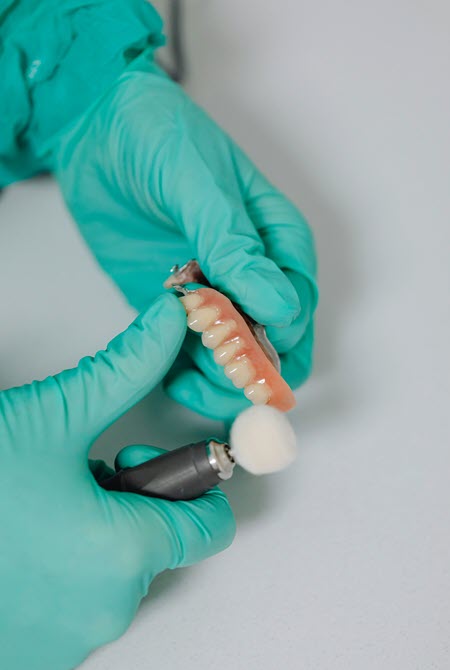
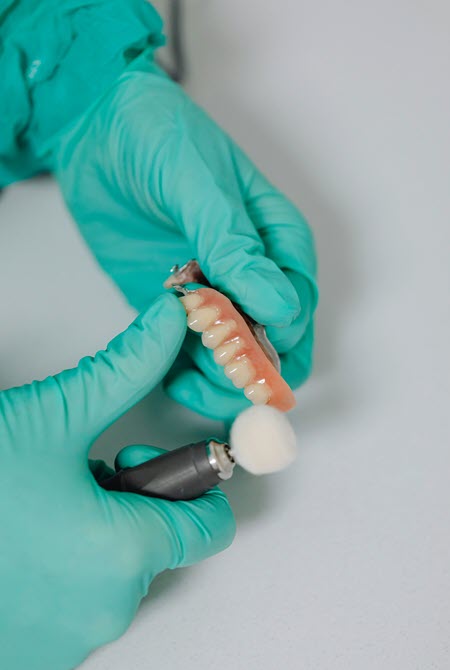
7 Signs It’s Time to Visit a Denture Clinic

Ignoring indications that your smile needs some TLC in our bustling world is simple. But fear not! Whether you’re experiencing discomfort with your partial dentures or need a quick denture repair, this blog is here to guide you. Even in emergencies, like sudden pain or a broken denture, help’s always available. A trip to your local Camden dentist may be just what you need to repair your grin. From frequent checkups to emergency denture repairs, they have got you covered. Do not let dental dilemmas worsen your day; take action and allow that smile to shine again with acrylic partial dentures if wanted.

1. Difficulty Chewing
Chewing should be a breeze, not a struggle. If every bite feels uncomfortable or painful, that is a sign that something’s quite bad. You should not miss any of your favorite meals because of difficulty chewing. This is where you should seek dental attention. They will be able to examine your dentures and make any necessary modifications. In no time, you will be back to enjoying all of your favorite food without any dental issues.

2. Sore Gums
Ouch! Sore gums can definitely ruin your day. It’s no longer just about the pain of untreated sore gums that can cause problems down the street. If your dentures are not fitting nicely, they might rub against your gums and cause irritation. Nobody wants that! Visiting the denture clinic is the smart move here. They can take a look and figure out what’s causing the soreness. With a little help from the experts, you’ll be saying goodbye to sore gums in no time.

3. Loose Dentures
Are your dentures beginning to feel a little loose? The news is not good. It can be difficult to speak, eat, or even smile confidently if your dentures are loose. Rest assured, though, the denture clinic has you covered. They can evaluate how well your dentures fit and suggest the best course of action. Sometimes, all that’s needed to get things back on track is a small modification. In other cases, quick fixes may require emergency denture repairs.

4. Speech Difficulties
Do you find yourself struggling to pronounce some words or sounds? Maybe you’re experiencing slurred speech or a lisp, especially while you’re wearing your dentures. Speech problems may be frustrating and embarrassing, but they may be additionally a not unusual signal to seek dental attention

5. Gum Infections
Sore, swollen gums can simply make your day feel awful. If you’re experiencing persistent gum infection or noticing signs of infection like sores or ulcers, it’s critical to take action right away. Untreated gum infections can cause extra serious oral health issues. This is where the Camden dental health facility becomes your ally. The skilled crew of professionals can examine your gums and determine the best direction of remedy. Whether or not you need a remedy to resolve an infection or emergency denture repair to identify its cause, they will make sure you get the care you want to maintain your gum’s health.

6. Jaw Pain
Do you feel as though your jaw is hurting or uncomfortable? A sore jaw can also indicate that something is off with your dentures. Your jaw joints may be compressed due to the improper size of dentures, inflicting discomfort and stiffness. Make an appointment with the Camden dentist as quickly as possible if you’re experiencing jawache. Your dentures can be examined by dental experts at the Camden dental clinic, who can also identify the cause of your jaw ache. Whether you require minor adjustments or more involved emergency denture repairs, they will make sure you receive the comfort you require to continue smiling.

7. Cracked or Damaged Dentures
Uh-oh, have you ever felt any cracks or harm to your dentures? Cracked or damaged dentures can affect your look, and you also have difficulty eating and communicating. It’s essential to report these issues directly to prevent further damage. Fortunately, the team at Camden Dental Health Facility is here to help. They can check the circumstances of your dentures and recommend the best course of action. Whether you need minor repairs or a full replacement, they will ensure your dentures are restored to their former glory in no time.

Conclusion
So keep an eye out for the indicators the next time your smile needs some TLC. Your neighbourhood denture clinic is prepared to assist you if you’re experiencing difficulty with your partial dentures or need denture repair. Never wait to contact an emergency dentist in Camden, even in case of an unexpected break or suffering. With their experience, they can quickly take care of any denture emergencies you may have. A visit to the dentist’s office in Camden guarantees that your smile will receive the greatest care possible. Your dental requirements are taken care of, from routine checkups to acrylic partial denture repair.

Why Regular Check-Ups with Your Camden Dentist Are Crucial: Safeguarding Your Smile for Life

Living in Camden means having access to a vibrant community, delicious local eats, and of course, a wealth of healthcare professionals. But when it comes to your oral health, finding a Camden dentist you trust and scheduling regular check-ups is just as important as visiting your doctor.

Think of your teeth as the gatekeepers to your overall well-being. They play a vital role in speaking, chewing, and digestion. Just like any other essential part of your body, they require regular maintenance to stay healthy and strong. That’s where regular dental check-ups come in.

This blog post will delve into the many reasons why scheduling those biannual appointments with your Camden dentist is crucial, not just for a sparkling smile, but for your overall health as well.

The Silent Threat: Early Detection of Dental Problems
Imagine this: you’re enjoying a delicious Camden market burger, savoring every bite. Suddenly, a sharp pain jolts through your jaw. This scenario, unfortunately, is a reality for many who neglect regular dental check-ups.
The truth is, that many dental problems, like cavities and gum disease, often develop silently, with minimal to no symptoms in the early stages. By the time you experience pain or discomfort, the issue might have progressed significantly, requiring more complex and expensive treatment.
Dr. Kenneth Carson, a leading dentist in Camden, emphasizes the importance of early detection: “Regular check-ups allow us to identify potential problems early on when they’re easiest and most affordable to treat. Think of it like catching a small tear in your favorite shirt before it becomes a giant rip.”
During a routine check-up, your Camden dentist will conduct a thorough examination of your teeth and gums. This includes:
• Visual Examination: This comprehensive assessment goes beyond just looking for cavities. Your dentist will meticulously examine your teeth for:
o Signs of decay: Early detection of cavities allows for minimally invasive treatment options like fillings.
o Cracks or chips in teeth: These can be a cosmetic concern but can also leave teeth vulnerable to further damage or infection.
o Tooth wear: Over time, teeth can wear down due to grinding, clenching, or acidic foods. Identifying wear patterns allows your dentist to recommend preventative measures or treatment options like crowns.
o Gum recession: This is the gradual shrinking of gum tissue, which can expose the root surface of the teeth and increase the risk of gum disease.
o Signs of gum inflammation: Redness, swelling, or bleeding gums can be early indicators of gingivitis, the mildest form of gum disease. Early detection and treatment can prevent gingivitis from progressing into more serious gum disease.
• X-rays: These are a valuable tool that provides a panoramic view of your teeth and jawbone. X-rays can reveal:
o Hidden cavities: Some cavities develop between teeth or beneath the surface and may not be visible during a visual exam. X-rays help identify these hidden threats to your oral health.
o Bone loss: Gum disease can lead to bone loss in the jaw, which can compromise the stability of your teeth. X-rays allow your dentist to monitor bone health and intervene if necessary.
o Impacted teeth: These are teeth that are unable to erupt properly through the gums. X-rays can help identify impacted wisdom teeth or other unerupted teeth.
o Abscesses: These are pus-filled infections that can develop in the root of a tooth. X-rays can help detect abscesses before they cause significant pain or damage.
• Oral Cancer Screening: Early detection of oral cancer is crucial for successful treatment. During a routine check-up, your dentist will:
o Examine your lips, tongue, cheeks, and the roof and floor of your mouth for any abnormalities such as lumps, bumps, or discoloration.
o Feel the lymph nodes in your neck for any swelling.

The Power of Prevention: Keeping Your Smile Healthy
Just like a good offense is the best defense in football, a proactive approach to dental care is essential for maintaining a healthy smile. Regular check-ups with your Camden dentist allow for preventive measures to be taken, stopping problems before they start.
Here’s how:
• Professional Cleanings: Brushing and flossing are the cornerstones of good oral hygiene, but they can’t reach every nook and cranny. During a professional cleaning, your Camden dentist will utilize specialized tools and techniques to remove:
o Plaque: This sticky film is a breeding ground for bacteria that can cause cavities and gum disease. Even the most diligent brushing might miss stubborn plaque buildup, particularly near the gum line and between teeth.
o Tartar (calculus): If plaque isn’t removed, it hardens into tartar, a mineralized deposit that clings tenaciously to teeth. Tartar is much harder to remove than plaque and requires professional cleaning tools. Regular cleanings prevent tartar buildup and the associated risk of cavities and gum disease.
• Fluoride Treatments: Fluoride is a mineral that strengthens tooth enamel, the hard outer shell of your teeth. Enamel protects teeth from decay, but it can weaken over time due to acidic foods and drinks. During a check-up, your dentist can assess your risk for cavities and recommend a topical fluoride treatment if needed. Fluoride treatments can be applied in various forms, including rinses, gels, or even varnishes painted directly onto teeth.
• Personalized Advice: Every smile is unique, and a one-size-fits-all approach to oral care doesn’t work. Your Camden dentist will take the time to understand your individual needs and concerns. Here’s how personalized advice can benefit your oral health:
o Brushing and Flossing Techniques: Many people brush and floss incorrectly, leaving areas vulnerable to plaque buildup. Your dentist can demonstrate proper brushing and flossing techniques tailored to your specific smile, ensuring you effectively clean all tooth surfaces.
o Dietary Recommendations: What you eat and drink plays a significant role in oral health. Your dentist can provide personalized advice on dietary choices that promote a healthy smile. This might include limiting sugary drinks and acidic foods, which can erode tooth enamel, and incorporating foods rich in calcium and vitamin D for strong teeth and bones.
o Product Selection: The dental hygiene aisle at the supermarket can be overwhelming. Your dentist can recommend the best toothpaste, floss, and mouthwash for your specific needs, considering factors like gum sensitivity or your risk for cavities.
Beyond the Smile: The Link Between Oral and Overall Health
For many years, oral health was often seen as separate from overall health. However, mounting research reveals a clear connection between the two. Studies have shown that neglecting oral health can increase the risk of developing chronic conditions like heart disease, diabetes, and even Alzheimer’s disease.
Here’s how regular dental check-ups contribute to your overall well-being:
• Early detection of systemic diseases: Your mouth isn’t just an isolated compartment; it’s a window into your overall health. During a dental exam, your Camden dentist is trained to look for subtle signs and symptoms that might indicate underlying health problems. For example:
o Diabetes: People with uncontrolled diabetes are more susceptible to gum disease. Conversely, gum disease can make it harder to control blood sugar levels. A dentist may notice signs of gum inflammation or uncontrolled diabetes during a routine check-up, prompting them to recommend further evaluation by your doctor.
o Anemia: This condition can cause a pale inner lining of the mouth or a swollen tongue. Identifying these signs during a dental exam can lead to earlier diagnosis and treatment of anemia.
o Heart disease: Studies suggest a link between chronic gum disease and an increased risk of heart disease. Regular dental check-ups can help identify and manage gum disease, potentially reducing the risk of heart complications.
• Reduced inflammation: Gum disease is a chronic inflammatory condition triggered by an overactive immune response to harmful bacteria in plaque. This inflammation can damage gum tissue and bone, eventually leading to tooth loss. However, the effects of gum disease inflammation aren’t limited to the mouth. Research suggests that chronic inflammation throughout the body can contribute to various health problems, including:
o Heart disease: Inflammation can damage blood vessels and increase the risk of heart attack or stroke.
o Arthritis: Chronic inflammation is a hallmark of rheumatoid arthritis.
o Certain cancers: Inflammation can play a role in the development of some cancers.
Regular dental care, including professional cleanings and treatment for gum disease, can help control inflammation in the mouth, potentially reducing your risk of developing these chronic health conditions.
• Improved immune system function: The mouth is teeming with bacteria, both beneficial and harmful. A healthy mouth maintains a delicate balance between these bacterial populations. When harmful bacteria overwhelm the good bacteria due to poor oral hygiene, it can lead to gum disease and other oral health issues. Regular dental check-ups and good oral hygiene practices help keep harmful bacteria in check, promoting a healthy oral microbiome. This, in turn, can strengthen your body’s natural defenses by reducing the overall bacterial load your immune system needs to manage. A healthy immune system is better equipped to fight off infections and keep you healthy overall.

Addressing Concerns: Dispelling Myths About Dental Check-Ups
Let’s face it, visiting the dentist isn’t always at the top of our to-do list. But understanding the value of regular check-ups can help overcome any apprehension you might have. Here are some common myths debunked:
• Myth: Dental check-ups are only necessary if you have a problem.
o Reality: As mentioned earlier, many dental issues develop silently. Regular check-ups allow for early detection and prevention of problems before they become severe.
• Myth: Dental treatments are expensive.
o Reality: Preventive care is significantly less expensive than treating advanced dental problems. Regular check-ups can help you avoid costly procedures down the line.
• Myth: Dental procedures are painful.
o Reality: Modern dentistry offers a wide range of techniques to minimize discomfort during procedures. Your dentist will discuss pain management options with you to ensure a comfortable experience.
• Myth: I brush and floss regularly, so I don’t need check-ups.
o Reality: Even with a good at-home routine, professional cleanings are essential for removing plaque and tartar buildup in hard-to-reach areas.

Finding the Right Camden Dentist for You
With so many dental practices in Camden, choosing the right one can feel overwhelming. Here are some tips to find a dentist who aligns with your needs and preferences:
• Ask for recommendations: Talk to friends, family, and even your doctor for recommendations on Camden dentists they trust.
• Research online: Many dental practices have websites that showcase their services, staff bios, and patient testimonials. Reading online reviews can also be helpful.
• Consider location and hours: Choose a dentist conveniently located near your work or home. Consider their office hours and find someone who offers appointments that fit your schedule.
• Insurance coverage: Verify if the dentist accepts your dental insurance and inquire about their payment options.
• First consultation: Many dental practices offer free consultations. This is a great opportunity to meet the dentist, discuss your oral health goals, and ask questions about their approach to treatment.

Taking Charge of Your Oral Health: The Takeaway
Scheduling regular check-ups with your Camden dentist is an investment in your smile and your overall well-being. These appointments allow for early detection and prevention of dental problems, promote good oral hygiene habits, and contribute to your overall health.

Don’t wait until you experience a dental emergency to prioritize your oral health. Find a Camden dentist you trust and schedule your next check-up today. Remember, a healthy smile is a happy smile!

Healthy Habits for Longevity: Small Changes, Big Results

Discover how introducing small changes into your everyday regimen can bring remarkable benefits for a happier and more fulfilling life. You’ll discover the secrets of longevity and learn how to make simple changes that can bring about a big improvement in your overall well-being.

Introduction
Hey there, fellow health enthusiasts! It’s time to buckle up and embark on a journey toward a long and vibrant life. In this blog post, we’ll delve into the realm of healthy habits for longevity and uncover the power of small changes. Buckle up because we’re about to transform our lives one step at a time!

The Power of Small Changes
It’s not always about making grand gestures when it comes to a long and fulfilling life. In reality, small and consistent changes often lead to remarkable results. Rather than a sprint, think of it as a marathon. We’re not looking for quick fixes or overnight miracles. Instead, we’re seeking sustainable habits that will stand the test of time.

  • Hydration: The Elixir of Life
    Water, my friend, is the ultimate elixir of life. It keeps us hydrated, flushes out toxins, and supports vital bodily functions. Start your day with a large glass of drinking water and keep the reusable bottle on you all day. Keep hydrated, your body will thank you!
  • Move It, Shake It!
    There’s no need for exercise to be a difficult task. You can find the activity that truly interests you, whether it’s dancing, hiking, or even taking a fast walk with your pet dog. The key is to keep moving, get your heart pumping, and unleash those endorphins. Remember, a little movement each day adds up to a lot of longevity.
  • Nourish with Nutrient-Rich Foods
    It’s time to ditch those processed snacks and embrace the beauty of whole foods. Fill your plate with colorful fruits, leafy greens, lean proteins, and healthy fats. Your body will flourish when you provide it with the nourishment it craves. Remember, healthy eating is not about deprivation, but rather about making mindful choices that promote longevity.
  • Rest and Recharge
    In our fast-paced world, sleep often takes a back seat. However, it’s crucial to prioritize rest and recharge our batteries. Aim for a solid seven to eight hours of quality sleep each night. Create a soothing bedtime routine, dim the lights, and banish those pesky screens. Your body and mind will thank you for the rejuvenation.
  • Stress Less, Live More
    Stress, oh stress, you sneaky little monster. While it’s impossible to eliminate stress entirely, we can manage it more effectively. Search for the things that work for you, such as meditation, deep breathing exercises or hobbies that bring joy to your life. Remember that, for long and meaningful lives, happiness in the heart and calm mind are essential ingredients.
  • Cultivate Meaningful Connections
    In our fast-paced digital era, it’s easy to get caught up in virtual interactions and neglect the power of genuine connections. Nurture and cultivate meaningful relationships with loved ones, as well as your pets. Create lasting memories by engaging in heart-to-heart conversations, sharing laughter, and creating lasting memories. Your total well-being can be greatly influenced by the excitement and support that comes from these connections.
  • Embrace the Great Outdoors
    Nature has a way of rejuvenating our spirits and grounding us. Get a bit of time to explore the beauty of the great outdoors. To reduce stress, and improve your mood and overall feeling of well-being, whether you are hiking in the mountains, enjoying a walk on the beach, or doing garden maintenance, a connection to nature can help. Let Mother Nature do her magic, put on those walking shoes, and take advantage of this new air.
  • Feed Your Mind with Knowledge
    Never stop learning and expanding your horizons. Engage in activities that stimulate your mind and feed your curiosity. You can read books about the subjects you want to explore, listen to podcasts, sign up for classes, and participate in workshops. By continuously seeking knowledge and challenging your intellect, you’ll not only keep your mind sharp but also enhance your overall cognitive function.
  • Practice Gratitude
    Gratitude is an important practice that can shift your perspective and give you a new sense of joy. To reflect on the things you are grateful for, take a few moments each day. An early morning cup of hot coffee, a spectacular sunset, or the support of one’s loved ones could be all that is needed. The cultivation of a gratitude attitude can help you to manage stress, boost positive attitudes, and enhance your mental well-being in general.
  • Find Your Passion
    Life is too short to spend it doing things that don’t ignite your soul. Discover your passions and pursue them with unwavering enthusiasm. Whether it’s painting, writing, playing an instrument, or engaging in a sport, find an activity that brings you immense joy and fulfillment. Spending time and effort on something will offer you direction and make your life more rewarding if you’re seeking for something to be thrilled about.

Conclusion
Congratulations, my friend! You’ve reached the finish line of this exciting exploration into healthy habits for longevity. By embracing small changes, you hold the power to transform your life and unlock a world of well-being. Remember, it’s not about drastic overhauls or complicated regimens. It’s about taking consistent steps toward a healthier and more fulfilling life.

So, grab that glass of water, dance like nobody’s watching, savor the goodness of nourishing foods, tuck yourself into a cozy bed, and let go of stress. Your journey to longevity starts now. Embrace it, relish it, and watch as small changes yield big results. Here’s to a vibrant, healthy, and joyful life!

Remember, my friend, that the path to longevity is a personal one. Experiment, adapt, and discover what works best for you. The power lies within your hands, so go forth and embrace those healthy habits. You deserve a life filled with vitality and well-being!

Cheers to your extraordinary journey towards a long and fulfilling life!