
Inspired by Neighbour

How Small Daily Movements Can Boost Your Overall Fitness

Getting fit is often pictured as long workouts, heavy equipment, or intense routines. This picture can feel intimidating and unrealistic when life is busy. The good news is that your overall fitness is not built only in the gym. It is also built in the hundreds of small movements you make throughout the day.

Simple actions like walking a little more, stretching, standing up often, and using your body in everyday tasks can slowly improve strength, stamina, and mobility. These movements may seem too small to matter, but together they create a powerful foundation for better health.

Think of them as quiet investments in your body. Over time, they add up in ways you can feel.

Fitness Is More Than Formal Exercise

When people think about fitness, they usually imagine planned workouts like running, lifting weights, or attending classes. These activities are valuable, but they are only one piece of the picture.

Your body also responds strongly to what is called daily movement. This includes walking to the store, taking the stairs, cleaning your home, playing with children, gardening, carrying groceries, or even standing while you do a task.

All of these activities use muscles, burn energy, and keep joints moving. When you increase this kind of daily movement, your overall fitness improves even if your formal workouts stay the same.

The Power of Small Movement “Snacks”

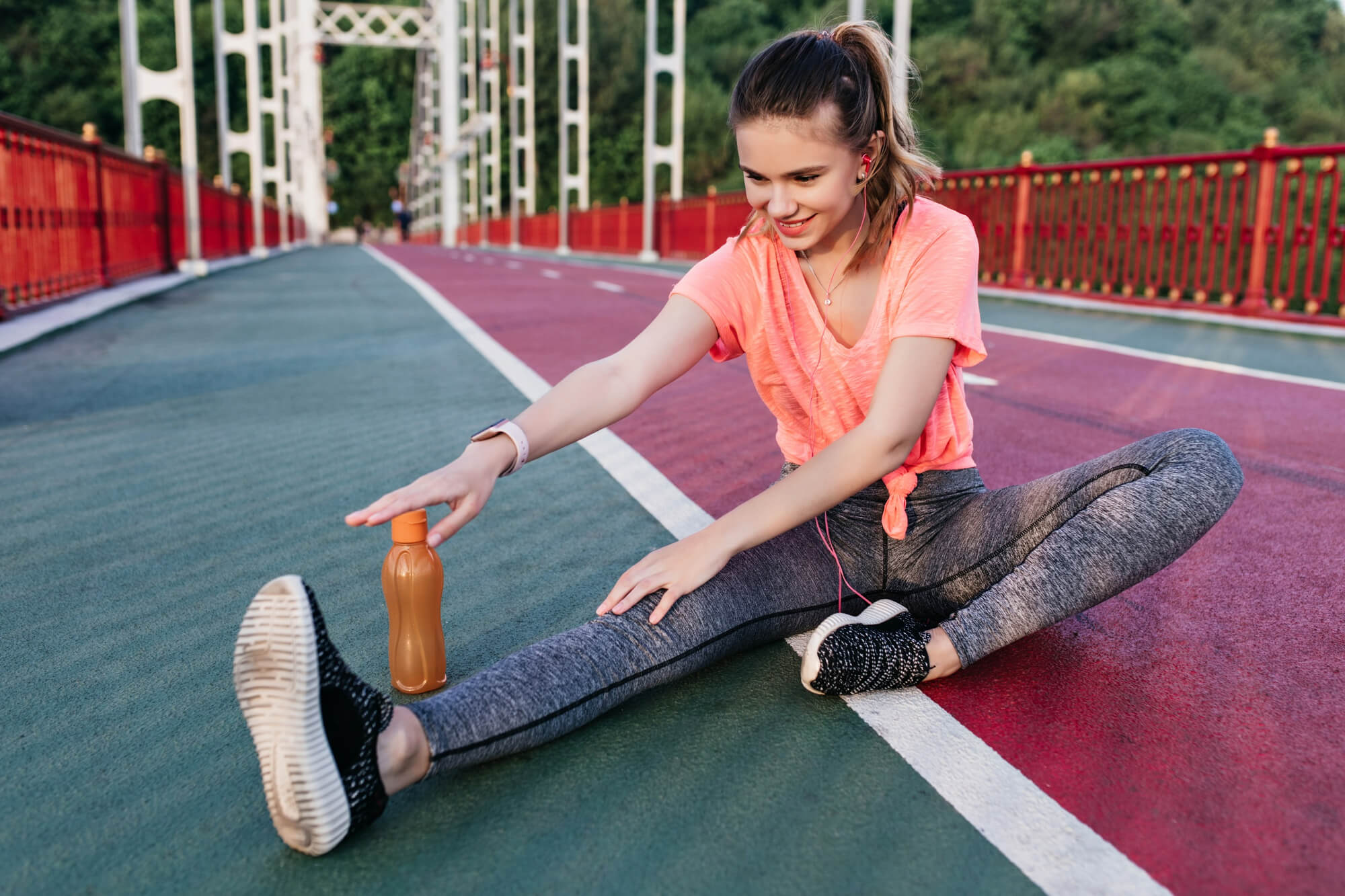
You do not need an hour of effort all at once. Short bursts of movement spread through the day can be just as helpful. Think of them as movement snacks for your body.

For example, you might stretch for two minutes after sitting for a long time. You might walk around your home while talking on the phone. You might do a few squats while waiting for the kettle to boil.

These brief activities increase blood flow, wake up your muscles, and prevent your body from becoming stiff and sluggish. When repeated throughout the day, they build endurance and improve how your body feels and functions.

Breaking Up Sitting Time

Long periods of sitting can make your body feel heavy, tight, and tired. It can reduce circulation and weaken certain muscles over time. You may notice more back pain, stiff hips, and low energy when you sit for many hours without moving.

You can counter this by standing up regularly. Every 30 to 60 minutes, take a short break. Stand, walk a little, roll your shoulders, or stretch your legs. Even one or two minutes can make a real difference.

These tiny breaks help protect your posture and keep your body active. They also refresh your mind, which can improve focus and productivity.

Walking: The Easiest Daily Fitness Tool

Walking is one of the most accessible ways to add more movement. It does not require special skills or equipment. You can adjust the pace and distance to your comfort level.

Short walks still count. A five or ten minute walk after meals can improve digestion, support blood sugar control, and gently raise your heart rate. Walking to nearby shops instead of driving, using stairs when possible, or parking a little farther away are all examples of using daily life to build fitness.

Regular walking strengthens your legs, supports your joints, and improves your cardiovascular health. Over time, you may find yourself walking faster and farther without even planning it.

Using Everyday Tasks as Mini Workouts

Many household chores already involve useful movement. When you become more aware of them, you can turn them into mini workouts without needing extra time.

Sweeping, mopping, and vacuuming engage your arms, shoulders, and core. Carrying groceries works your grip, arms, and legs. Gardening involves squatting, bending, and lifting, which strengthen your lower body and improve mobility.

You can make these movements a little more intentional. For example, while carrying laundry or bags, engage your core by gently tightening your abdominal muscles. While cleaning, keep your back as straight as possible and bend from your hips and knees instead of rounding your spine.

These small adjustments help protect your body and build strength at the same time.

Gentle Strength in Daily Life

You do not always need weights to build strength. Your own body weight can be very effective. Using it in daily moments strengthens muscles and supports bones.

When you stand up from a chair, try to do it without using your hands. This simple action strengthens your legs and glutes. When you pick something up from the floor, use a squat or lunge motion. This works your legs and keeps your hips and knees mobile.

You can also stand on one leg for a few seconds while brushing your teeth or waiting in line. This improves balance and activates stabilizing muscles in your legs and core.

Small Movements to Protect Your Joints

Regular gentle movement keeps joints lubricated and flexible. Stiff joints often feel worse when they are not used enough.

Throughout the day, you can circle your wrists and ankles, roll your shoulders, or gently turn your head side to side. When you have been typing or holding your phone, stretch your fingers and open your hands wide.

These tiny moves maintain range of motion and reduce stiffness. Over time, your body feels looser and more comfortable in daily activities.

Posture as a Daily Fitness Habit

Posture is not only about looks. It affects breathing, muscle balance, and even energy levels. Poor posture can strain the neck, shoulders, and lower back.

Several times a day, quietly check your posture. Sit or stand tall, imagining a string lifting the top of your head. Relax your shoulders away from your ears. Gently draw your shoulder blades back and down. Let your chest open and your chin sit level.

You do not need to hold perfect posture all the time. Simply returning to a more aligned position throughout the day builds awareness and strengthens the muscles that support your spine.

Turning Routine Moments into Movement Opportunities

One of the easiest ways to increase daily movement is to attach it to habits you already have. This is called habit stacking. You link a new small action to something you do regularly.

For example, you might:

  1. Do ten calf raises while brushing your teeth

  2. Stretch your arms overhead every time you stand up from your desk

These actions take only seconds but create consistent movement patterns. Because they are tied to existing routines, they are easier to remember and maintain.

Listening to Your Body as You Move More

When you start adding more movement into your day, it is important to listen to your body. You should feel challenged but not in sharp pain. A little muscle tiredness is normal, especially at first. Pain that is intense or does not fade is a sign to reduce or adjust what you are doing.

Begin with gentle and realistic changes. If you rarely move, simply standing more and taking short walks is a strong start. As your fitness improves, you can add slightly more intensity or duration.

Respect your current level while trusting that it can grow. Progress in daily movement is often quiet but steady.

How Small Movements Support Formal Exercise

If you already do regular workouts, daily movement still matters. Long periods of sitting can reduce the benefits of exercise. On the other hand, an active day supports your training.

Small movements keep your muscles warm and flexible. They reduce stiffness between workouts and can speed up recovery. They also help you burn more energy over the whole day, which can support body composition and general health.

You can think of formal exercise as your focused training and daily movements as the helpful background that supports and extends those benefits. Both are valuable.

Long Term Benefits of Moving a Little More

The effects of small daily movements may not feel dramatic in a single day, but they are powerful over months and years. More movement helps maintain healthy weight, supports heart health, improves circulation, and preserves muscle mass and bone strength as you age.

It can also improve mood, reduce stress, and help you sleep better. When your body feels more awake and capable, everyday tasks feel easier. Climbing stairs, carrying bags, or playing with children becomes less tiring and more enjoyable.

These changes increase your sense of independence and confidence in your body.

Start Where You Are, Not Where You Think You Should Be

The beauty of small daily movements is that you can begin from any level of fitness. There is no need for perfect clothing, special equipment, or a strict schedule. You simply start with what you can do today.

Maybe that is standing more, taking a short walk, stretching your hands and shoulders, or making chores more active. As these habits become natural, they gently push your fitness upward.

Over time, you may be surprised by how much stronger, more flexible, and more energetic you feel. Small daily movements build a quiet, steady base of fitness that supports every part of your life.
Strength Training vs Cardio: Which is Best for Fat Loss and Overall Health?

Introduction

The debate between strength training and cardio is one of the most common conversations in the fitness world. Walk into any gym and you will notice two groups: one pounding away on treadmills and stationary bikes, and the other lifting weights with determination. Both sides often believe their method is superior for fat loss, endurance, and overall health. The truth, however, is more nuanced. Each has unique benefits, and the most effective approach may not be choosing one over the other but understanding how they complement each other.

If your goal is fat loss, better energy, and a healthier body, it is worth exploring what cardio and strength training really do for you. Once you see how they impact the body differently, you will be able to design a routine that supports both your immediate goals and your long-term well-being.

The Role of Cardio in Fat Loss

Cardiovascular exercise is often the first thing people think of when they want to lose weight. Activities like running, cycling, swimming, or even brisk walking elevate the heart rate, which helps burn calories during the workout. Cardio also improves heart and lung function, making daily tasks feel easier and enhancing stamina. For beginners, it provides a straightforward path into fitness because it requires little equipment or technical skill.

Yet cardio alone has limitations. The calories you burn during a session are limited to that workout. Once the activity stops, the body quickly returns to its normal rate of energy use. This means that while cardio is effective in the moment, its long-term impact on fat loss can plateau if not combined with other forms of training.

The Role of Strength Training in Fat Loss

Strength training, on the other hand, focuses on building and maintaining muscle mass. Lifting weights, using resistance bands, or even performing bodyweight exercises challenges the muscles in ways that stimulate growth. Muscle tissue is metabolically active, meaning it burns more calories at rest compared to fat tissue. By increasing muscle mass, you raise your resting metabolic rate, which leads to more calories burned throughout the day even when you are not exercising.

For fat loss, this is a powerful advantage. Instead of relying only on the calories burned during exercise, strength training transforms your body into a more efficient calorie-burning machine. It also improves body composition, meaning you not only lose fat but also gain definition and strength. This often creates a more toned and lean appearance than cardio alone can provide.

Comparing Cardio and Strength Training

When comparing these two approaches, it is important to recognize their distinct contributions:

  • Cardio burns more calories during the workout itself, making it an excellent tool for creating an immediate calorie deficit.

  • Strength training builds muscle, which increases the number of calories burned all day long, even at rest.

  • Cardio improves cardiovascular health, reducing the risk of heart disease, high blood pressure, and diabetes.

  • Strength training enhances bone density and joint health, reducing the risk of injury and age-related decline.

  • Cardio boosts endurance and stamina, allowing you to perform daily activities with less fatigue.

  • Strength training improves posture and strength, making movement more efficient and protecting against long-term physical strain.

Both forms of exercise contribute to fat loss, but they do so in different ways. Combining them ensures you benefit from both immediate calorie burn and long-term metabolic improvements.

The Myth of Spot Reduction

One misconception often tied to this debate is the idea of spot reduction, the belief that you can target fat loss in specific areas of the body by performing certain exercises. Many people rely heavily on cardio for belly fat or strength training for sculpting arms, expecting direct results. Science shows that fat loss does not work this way. The body decides where to burn fat based on genetics and hormonal factors. What you can control, however, is building lean muscle and reducing overall body fat through consistent exercise and balanced nutrition.

The Psychology of Enjoyment

An often-overlooked factor in the cardio versus strength conversation is personal enjoyment. The best exercise routine is not the one that burns the most calories on paper but the one you are motivated to stick with consistently. Some people thrive on the rhythm of running or cycling outdoors, finding peace in steady movement. Others feel empowered by lifting heavier weights week after week. Enjoyment fuels consistency, and consistency ultimately drives results. A balanced approach allows you to keep workouts fresh and prevents boredom from sabotaging your goals.

Building a Balanced Routine

Instead of choosing between cardio and strength training, the most effective fitness strategy is blending the two. Cardio sessions keep your heart healthy and help manage weight, while strength training builds muscle, enhances metabolism, and supports overall functionality.

For example, a balanced weekly plan might include three strength training sessions and two cardio workouts. This combination provides variety, maximizes fat loss, and ensures that both endurance and strength improve over time. For those new to exercise, even shorter sessions of twenty to thirty minutes can be enough to create meaningful progress.

The Role of Recovery and Nutrition

No discussion of fitness is complete without acknowledging recovery and nutrition. Both cardio and strength training place stress on the body, and that stress is what leads to growth and adaptation. However, progress only happens when recovery is prioritized. Adequate sleep, hydration, and rest days are essential for avoiding burnout or injury. Nutrition is equally important. Fueling your body with protein, healthy fats, and complex carbohydrates ensures that muscles repair properly and energy levels remain stable.

Long-Term Benefits Beyond Fat Loss

While fat loss is often the initial goal, the long-term benefits of combining cardio and strength training are far more rewarding. A strong heart, improved circulation, better muscle mass, and greater bone density all contribute to healthier aging. Regular exercise also reduces the risk of chronic diseases, improves mood through endorphins, and sharpens cognitive function. Fitness should be seen not only as a tool for body transformation but as a lifelong investment in vitality and independence.

Conclusion

The debate between strength training and cardio is less about which is better and more about how they work together. Cardio provides immediate calorie burn and supports heart health, while strength training builds muscle, boosts metabolism, and shapes the body. When combined, they create a balanced approach that leads to sustainable fat loss, improved energy, and overall wellness.

The key is not to obsess over which side wins but to design a routine that honors both. Choose cardio activities you enjoy, whether it is walking, dancing, or cycling. Pair them with strength exercises that challenge and empower you. By doing so, you create not just a fitness program but a lifestyle that supports your body, mind, and future self.

The Role of Mindset in Fitness: How to Cultivate an Inspired and Positive Attitude

Unlocking Your True Fitness Potential Starts in Your Mind
Hey there, fitness enthusiasts! I’m going to speak of something that we frequently overlook, but which plays a crucial role in reaching your fitness goals. No, I’m not talking about the latest workout trend or a fancy diet plan. I’m talking about the power of mindset in fitness and how cultivating an inspired and positive attitude can transform your journey into a remarkable adventure. So, grab your water bottle, put on your workout gear, and let’s dive in!

The Mindset-Muscle Connection
When it comes to fitness, we often focus solely on physical aspects: lifting weights, running miles, or tracking calories. But what we tend to forget is that our minds are the drivers behind these actions. Your mindset determines whether you see obstacles as challenges or roadblocks, whether you push through the pain or give up, and ultimately, whether you achieve your fitness goals or fall short.

Mind Over Matter

  • Picture this: You’re halfway through your intense cardio session, sweat pouring down your face, and your legs feel like jelly. This is the moment of making or breaking. And guess what? It’s not your muscles that will determine your next move; it’s your mind. Building mental resilience is key to overcoming physical hurdles. When your mind is strong and determined, your body can achieve remarkable things.
  • Embrace the Power of Positivity
    You’ve seen how an optimistic attitude can change the way you look at life? The same applies to your fitness journey. Your motivation, energy, and ability to maintain focus on your objectives can all be improved by positive thinking. Positive thinking can improve your motivation, vitality, and ability to stay focused on your goals.
  • The Power of Visualization and Manifestation
    Visualization is a powerful tool that athletes and successful individuals have used for years to achieve their goals. By vividly imagining yourself reaching your fitness milestones, you create a mental blueprint for success. Visualize yourself running that marathon, lifting that heavy weight, or rocking that bikini with confidence.But visualization alone is not enough. You must also take action. Use your visualization as a catalyst for setting specific goals, creating a plan, and taking consistent steps toward your desired outcome. The combination of visualization and action is a potent force that propels you toward your dreams.
  • Embracing the Journey, Not Just the Destination
    It’s a world of immediate gratification for us, where we want quick fixes and swift results. But the thing is: fitness isn’t a destination, it’s an ongoing journey. Instead of obsessing over the numbers on the scale or the size of your clothes, focus on the process. Embrace the small victories, celebrate each milestone, and relish in the progress you’re making.Fitness also involves mental and emotional development along the way in addition to physical improvement. It’s a way to discover your own strength, build resilience and gain an improved relationship with your body. You’ll get joy in the process if you change your mindset to appreciate journeys, which allows you to stick with them and be more motivated.

Cultivating an Inspired and Positive Attitude

As we learn more about the importance of mindset for your fitness, let’s take a look at some effective strategies that will inspire an inspired and enthusiastic attitude, so you can play it even better!

  • Set Realistic Goals
    Goal-setting is a fundamental step in any fitness journey, but it’s essential to set realistic and achievable goals. Break down your big aspirations into smaller milestones. This way, you’ll experience a sense of accomplishment along the way, fueling your motivation to keep going.
  • Surround Yourself with Supportive People
    They say, “You are the average of the five people you spend the most time with.” Surround yourself with individuals who share your fitness goals or inspire you to become a better version of yourself. Their positive energy and encouragement will keep you motivated when the going gets tough.
  • Practice Self-Compassion
    Fitness is a way of life, and there’ll be days when you go wrong or don’t meet your expectations. The practice of compassion is essential during these moments. Be kind to yourself, acknowledge your efforts, and remember that every setback is an opportunity for growth.
  • Find Joy in Movement
    The exercise should not feel like punishment, it should be a pleasant experience. Whether it’s dancing, hiking, or playing a sport, find physical activities that you enjoy. It’ll be easier to hold on to a good attitude and make sure you stick with your exercise routine when you really love what you do.
  • Embrace the Power of Affirmations
    Affirmations are powerful statements that can reshape your mindset. Start your day by affirming positive thoughts about your fitness journey. Repeat phrases like “I am strong,” “I am capable,” and “I am making progress” to yourself. Over time, these affirmations will become ingrained in your subconscious, boosting your confidence and motivation.

Conclusion
Fitness does not mean just physical strength and endurance; it’s an overall journey that takes place in your mind. By nurturing an inspired and positive attitude, you unlock your true potential and pave the way for remarkable transformations. So, the next time you hit the gym or lace up your running shoes, remember that your mindset is the secret ingredient to achieving your fitness goals. Stay positive, stay focused, and let your mindset propel you to new heights!

Now go out there and conquer the world, one workout at a time!