The fashion industry has always been a powerful cultural force, shaping how we see ourselves and the world around us. For decades the focus was on fast fashion, cheap trends, and high turnover of wardrobes. Yet, the environmental and social costs of this model have become impossible to ignore. Today a growing movement in sustainable fashion is rewriting the story. These brands emphasize ethical sourcing, environmentally friendly materials, fair wages, and long-lasting design. Choosing to support sustainable fashion is not just about wearing stylish clothes; it is about contributing to a healthier planet and fairer supply chains.
In this article, we will explore sustainable fashion as a movement, the values that drive it, and the most inspiring brands that are leading the way worldwide. By the end, you will have a deeper understanding of what makes a fashion label truly sustainable and which companies you should know about if you want your wardrobe to reflect both style and responsibility.
The Meaning of Sustainable Fashion
Sustainable fashion goes beyond organic fabrics or recycled packaging. It is a holistic approach to design, production, and consumption that respects the planet and the people who inhabit it. A sustainable brand might prioritize natural fibers that require fewer chemicals, adopt circular fashion practices such as recycling or upcycling, or guarantee living wages and safe working environments for garment workers.
The rise of sustainable fashion reflects a larger cultural shift. More consumers are questioning where their clothes come from, who made them, and what resources were used. They want transparency and accountability. Fashion is no longer only about aesthetics; it is about values.
Why Sustainable Fashion Matters
The fashion industry is one of the largest polluters in the world. Massive water consumption, chemical dyes that contaminate rivers, plastic microfibers that end up in oceans, and carbon emissions from shipping and manufacturing all contribute to an urgent environmental crisis. At the same time, fast fashion has often relied on exploitative labor practices. Workers in many developing countries face long hours, unsafe conditions, and wages that barely cover basic needs.
Sustainable fashion brands attempt to reverse these harmful patterns. They use organic cotton, hemp, Tencel, or recycled polyester instead of resource-intensive conventional fibers. They work with artisans and cooperatives, ensuring fair pay and preserving traditional skills. They invest in durability and timeless design rather than producing pieces intended to last a single season. When consumers support such brands, they send a clear message to the industry that ethics and ecology matter just as much as profits.
How to Recognize a Sustainable Brand
Before diving into specific brands, it is important to understand what to look for. A company that claims sustainability should be transparent about its materials, sourcing, and labor practices. Certifications such as GOTS (Global Organic Textile Standard), Fair Trade, or B Corporation status can provide reassurance. Many brands publish sustainability reports that detail progress and goals. Pay attention to whether a brand prioritizes quality over quantity and whether it offers recycling or resale programs.
Greenwashing is a challenge. Some companies market themselves as eco-friendly with vague language but continue to rely on harmful practices. True sustainable brands provide specifics and evidence, not just slogans.
Leading Sustainable Fashion Brands You Should Know About
Across the globe, a number of fashion labels are setting the standard for ethical and eco-conscious style. Each of these companies contributes something unique, whether it is pioneering material innovations, supporting marginalized communities, or creating scalable business models that inspire the rest of the industry.
Patagonia
Patagonia is often described as the gold standard in sustainable fashion. Founded in 1973, it has been committed to environmental activism for decades. The brand invests heavily in recycled materials, organic cotton, and fair labor practices. It encourages customers to repair clothing rather than replace it through the Worn Wear program. Patagonia even donates a percentage of profits to grassroots environmental causes. Its success demonstrates that responsibility and profitability can go hand in hand.
Stella McCartney
Stella McCartney has been a luxury pioneer in sustainable design. From the beginning, her brand rejected leather and fur, proving that high fashion can thrive without animal cruelty. The label invests in cutting-edge fabrics such as Mylo, a mushroom-based leather alternative. Stella McCartney also champions circular fashion principles, pushing for resale and recycling initiatives in luxury markets. Her influence has encouraged many luxury houses to reconsider their own practices.
Reformation
Reformation has built a strong reputation among younger consumers who want stylish clothing that does not compromise on ethics. The brand is transparent about its carbon footprint and publishes detailed sustainability reports. Its factories in Los Angeles prioritize safe working conditions and energy efficiency. Reformation’s modern, trendy designs prove that eco-friendly clothing can still be fashionable and accessible.
People Tree
People Tree has been at the forefront of ethical fashion for over three decades. The brand collaborates with artisans and farmers in developing countries, ensuring fair trade practices. It uses organic cotton, natural dyes, and traditional techniques such as hand weaving and block printing. People Tree’s approach emphasizes the human side of sustainability, protecting livelihoods and celebrating craftsmanship.
Eileen Fisher
Eileen Fisher is a leader in minimal, timeless design. The brand focuses on organic fibers, responsible dyeing, and fair labor. It runs a take-back program where old garments are collected, recycled, or resold. Eileen Fisher’s dedication to simplicity and durability encourages customers to buy less but better, aligning with the principles of slow fashion.
Veja
Veja is a sneaker brand that has gained cult status for its sustainable approach. Its shoes are made from organic cotton, wild rubber sourced from the Amazon, and recycled materials. Veja maintains transparency in its supply chain, working directly with producers in Brazil. The brand has managed to achieve mainstream appeal while staying true to its ethical roots, proving that sustainability can be fashionable in the sportswear sector.
Thought Clothing
Thought Clothing, based in the United Kingdom, is known for using sustainable fabrics such as bamboo, hemp, and organic cotton. The company focuses on creating versatile and comfortable pieces that can be worn for years. Thought’s philosophy is grounded in mindfulness, encouraging conscious choices in both fashion and lifestyle.
Amour Vert
Amour Vert, which means “Green Love” in French, is a California-based brand that prioritizes sustainable materials like Tencel and organic cotton. The company follows a zero-waste philosophy in its manufacturing and plants a tree for every T-shirt sold. Amour Vert’s aesthetic combines elegance and everyday wear, appealing to consumers who value both style and sustainability.
Nisolo
Nisolo is a footwear and accessories brand that emphasizes transparency and ethical labor. It works with artisans in Peru and Mexico, ensuring fair wages and sustainable livelihoods. Nisolo publishes an impact report that details environmental and social performance, setting a benchmark for accountability. Its shoes are designed to be long-lasting, reducing waste and promoting responsible consumption.
Pangaia
Pangaia is a material science company as much as a fashion label. It is known for its use of innovative fabrics, including bio-based fibers and recycled materials. Pangaia invests heavily in research to create textiles that are both sustainable and high performing. The brand also uses natural botanical dyes and emphasizes a minimalist aesthetic that reduces overconsumption.
The Future of Sustainable Fashion
The brands highlighted above are only a fraction of the movement. Sustainable fashion is expanding as consumers demand better choices and as innovation provides new solutions. Circular fashion is likely to play a larger role, with more companies offering take-back programs, rental options, and resale platforms. Material science is advancing quickly, with lab-grown leather, biodegradable textiles, and dyeing methods that use less water and fewer chemicals.
Collaboration across the industry is also increasing. Major retailers are beginning to partner with sustainable labels or adopt stricter sourcing policies. Governments and NGOs are pushing for more transparency and regulation. Consumers are using social media to hold brands accountable, creating pressure for genuine change.
How Consumers Can Support the Movement
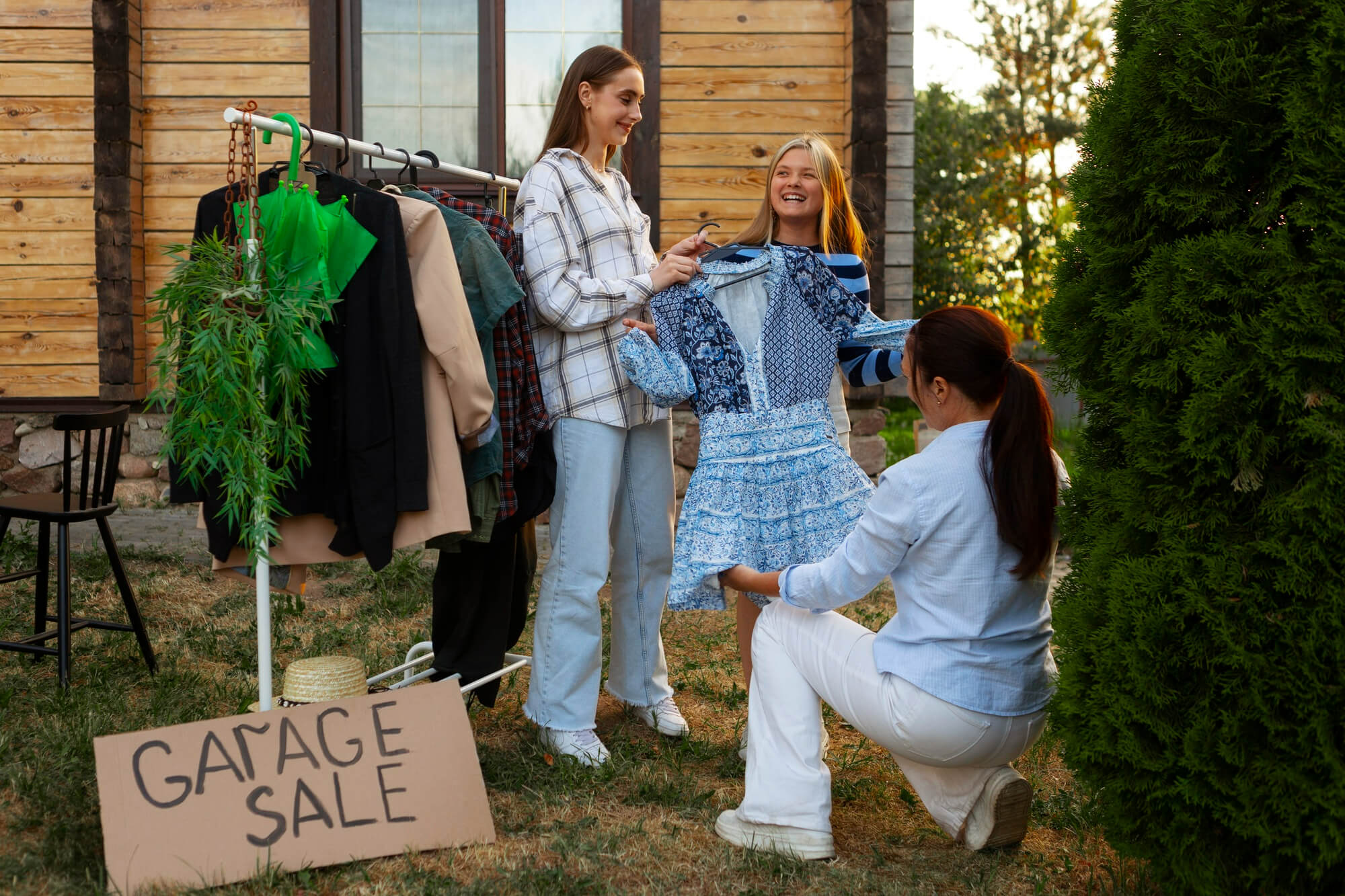
Sustainable fashion is not only about what brands do; it is also about how we as consumers approach clothing. Buying fewer items of higher quality is one of the most impactful actions. Supporting secondhand markets through thrift stores or online resale platforms reduces demand for new resources. Learning to repair clothes, washing them less frequently, and avoiding synthetic fibers that shed microplastics all contribute to sustainability. When shopping new, choosing brands that provide transparency and evidence of ethical practices is crucial.
Our wardrobes are powerful tools. Every purchase reflects values and priorities. By supporting sustainable fashion brands, we contribute to a more responsible and compassionate industry.
Conclusion
Sustainable fashion is no longer a niche concept. It is a movement that is reshaping one of the most influential industries in the world. From Patagonia’s activism to Stella McCartney’s luxury innovations, from Reformation’s trend-driven transparency to People Tree’s artisan collaborations, the variety of approaches shows that style and responsibility can coexist.
As consumers, we have the opportunity to shape the future of fashion. The choices we make today determine whether clothing continues to harm the planet or becomes part of the solution. By embracing sustainable fashion brands, we not only look good but also do good, supporting an industry that values people, the planet, and timeless design.