
Inspired by Neighbour

Natural Body-Care Ingredients Worth Trying

Caring for your body can be a soft ritual that brings you back to yourself, especially on days that feel rushed or noisy. Choosing natural ingredients is not just a trend. It is a quiet way of saying your skin deserves honesty, gentleness, and simplicity. At Inspired by Neighbour, the focus is on small, meaningful choices that feel close to home and kind to your body. Natural body care is one of those choices.

Below are some beautiful, time tested ingredients worth inviting into your routine, along with gentle ideas for how to use them.

Shea Butter: A Comforting Hug For Dry Skin

Shea butter has long been loved for its rich, creamy texture and ability to deeply nourish the skin. It comes from the nuts of the shea tree and is naturally rich in vitamins that support skin softness and resilience.

When you scoop a little raw shea butter into your palm, it feels dense at first. As you warm it between your fingers, it slowly melts and turns into a smooth balm. This moment alone encourages you to slow down. Apply it to areas that tend to feel rough or dry, such as elbows, knees, heels, or hands. The best time is right after a shower, when your skin is slightly damp. You will notice a subtle glow and a feeling of comfort that lingers long after you are dressed.

Aloe Vera: Cooling Relief For Tired Skin

Aloe vera is the plant many of us reach for after too much sun, but it can do so much more in daily body care. Its gel has a naturally cooling, soothing quality that feels especially good on skin that is feeling tired, flushed, or slightly irritated.

You can use pure aloe vera gel as a light body lotion, especially in warm weather when heavy creams feel overwhelming. Smooth a thin layer over your arms and legs after a bath. If you enjoy a bit of scent, mix in a single drop of a gentle essential oil, such as lavender or chamomile, and massage it in with calm, circular movements. The texture sinks in quickly, leaving the skin refreshed but not sticky or greasy.

Oats: A Simple Soak For Sensitive Skin

Oats might not sound glamorous, yet they are one of the kindest ingredients you can offer to sensitive or easily irritated skin. When ground into a fine powder and added to warm water, oats create a soft, milky bath that can help calm dryness and discomfort.

To make an oat bath, add a small handful of finely ground oats or colloidal oatmeal to your tub as it fills with warm water. Step in and give yourself at least fifteen quiet minutes to soak. The water will feel silky on your skin, and you may notice that areas of redness or itchiness begin to relax. This is a lovely ritual for evenings when you want to unwind both your body and your mind.

Jojoba Oil: Balance In A Bottle

Jojoba oil is special because its structure is quite similar to the natural oils our skin already produces. That makes it a wonderfully balancing option for people who want moisture without heaviness.

Use a few drops of jojoba oil on damp skin after a shower. Rub the oil between your palms, then sweep your hands along your arms, legs, and torso. It will leave a soft sheen and a feeling of comfort without a greasy layer. If you like a simple routine, jojoba oil can easily be your one step body moisturiser. It is especially nice for people who prefer products that do not overpower with fragrance.

Rosehip Seed Oil: A Gentle Glow For Delicate Areas

Rosehip seed oil is often used in facial care, but the body can benefit from its gentle nurturing qualities too. It comes from the fruit of the wild rose plant and is known for supporting smoother, more even looking skin.

Try using rosehip oil on areas that feel a little delicate or in need of extra attention, such as the inner arms, chest, or the tops of your shoulders. Warm a few drops in your hands and press it into the skin rather than rubbing aggressively. The texture is light and silky, and if you turn this into a mini massage, it can become a small daily ritual of self appreciation.

Cocoa Butter: Evening Luxury For The Skin

Cocoa butter carries a natural, comforting aroma that many people associate with warmth and coziness. Its texture is rich and solid at room temperature, but it melts with body heat into a velvety oil that feels indulgent on the skin.

Use cocoa butter in the evening when you have a bit more time. After a shower or bath, massage it into your legs, arms, and any dry patches. The process can feel almost like wrapping yourself in a soft blanket before sleep. Over time, cocoa butter can help your skin feel smoother and more supple, especially in colder months when dryness is common.

Neem Oil: A Strong Ally For Troubled Spots

Neem oil is not the prettiest or sweetest smelling ingredient, but it has a long tradition in many cultures as a powerful helper for troubled skin. It is often used for areas that are prone to occasional breakouts, roughness, or irritation.

Because neem oil is very strong, it is best to dilute it in a lighter carrier oil like jojoba or sweet almond oil. Use a small amount on specific areas rather than all over the body. Apply it with care, perhaps in the evening, and allow it to work quietly while you rest. This is one of those ingredients that reminds you that not everything that helps your skin has to look glamorous. Sometimes it just has to be effective.

Weaving These Ingredients Into A Gentle Ritual

The real magic of natural body care appears when you turn it into a ritual instead of a rushed task. Choose a calm time of day, perhaps after your evening shower or a slow weekend morning. Keep your chosen ingredients within easy reach, so the routine feels inviting rather than demanding.

As you apply shea butter, aloe, oils, or cocoa butter, pay attention to your breathing and the way your skin feels under your fingertips. Notice small details: the scent, the warmth of your hands, the way tension seems to melt as you massage your calves or shoulders. These quiet moments are not just about softness or glow. They are about reconnecting with your body in a world that often pulls your attention away from it.

At Inspired by Neighbour, the heart of body care is not perfection. It is presence. Natural ingredients like these are simply tools that help you pause, listen, and care. When you choose them with intention and use them with kindness, your skin begins to tell a story of nourishment, balance, and respect.

Skincare Myths People Still Believe and Why They Fail

If you have ever stood in front of your bathroom mirror wondering why your skin is not responding to all the effort you put in, you are not alone. Friends, neighbours, social media and old family traditions all shape how we think about skincare. Some of that advice is gentle and helpful. Some of it quietly holds your skin back without you even noticing.

The tricky part is that skincare myths often sound comforting. They promise quick fixes, magical products or shortcuts that let you ignore the basics. In reality, healthy skin is a long term partnership between your habits, your products and your lifestyle. When myths sneak into that partnership, results become confusing.

Let us walk through some of the most common skincare myths that still travel from doorstep to doorstep, and why they simply do not hold up.

Myth 1: “If a product tingles, it means it is working”

That light tingle can feel strangely satisfying, as if you can feel a cream or serum doing something powerful beneath the surface. The truth is, tingling is more often a sign of irritation than effectiveness. Ingredients such as alcohol, strong fragrances or high concentrations of active ingredients can disturb your skin barrier and create a stinging sensation.

Occasional mild tingling from certain acids or vitamin C may be normal for some people, but burning, redness or ongoing discomfort are warning signals. Over time, repeated irritation can lead to sensitivity, dryness and even breakouts. Products do not need to hurt to help. Calm skin is usually healthy skin.

Myth 2: “Oily skin does not need moisturiser”

This myth refuses to retire. Many people with oily or acne prone skin are afraid that moisturiser will make things worse, so they skip it entirely. What actually happens is the opposite. When skin is stripped of moisture by harsh cleansers or skipping hydration, it can respond by producing even more oil to protect itself.

The key is choosing the right type of moisturiser. Lightweight, non comedogenic gels or lotions are designed to hydrate without clogging pores. They give your skin water, not extra heaviness. Hydrated skin often looks smoother, feels more balanced and may even be less prone to the angry kind of shine that bothers you during the day.

Myth 3: “Natural ingredients are always safer and better”

There is something reassuring about the word “natural.” It feels pure, gentle and almost guaranteed to be good. However, poison ivy is natural. So is lemon juice that can burn your skin in the sun. Natural ingredients are not automatically safe or suitable for every face.

What truly matters is how an ingredient works with your skin, not where it comes from. Many lab created ingredients are carefully tested for safety, stability and effectiveness. At the same time, many plant based ingredients are wonderful and nourishing when used correctly. Instead of chasing the word “natural,” look for formulas that are well researched, gentle and suited to your skin type.

Myth 4: “You only need sunscreen on sunny days”

This is one of the most stubborn myths and one of the most damaging. Sun exposure is the leading cause of premature aging, dark spots and fine lines. Ultraviolet rays can pass through clouds and even reach you while you sit near a window or walk to the corner shop. You may not feel hot or see bright sunshine, but your skin still notices.

Using sunscreen only at the beach or during holidays is like locking your door only on weekends. Daily protection is what counts. A broad spectrum sunscreen, used every morning as the final step of your routine, helps protect your skin from cumulative damage. Over years, this habit can make a visible difference in how your skin ages.

Myth 5: “Acne only happens to teenagers”

Many adults feel confused or embarrassed when they still experience breakouts in their late twenties, thirties or beyond. The myth that acne belongs only to teenagers makes you feel as if something is wrong with you. In reality, adult acne is extremely common. Hormones, stress, pollution, certain medications and even hair or makeup products can trigger breakouts at any age.

Because adult skin can be more delicate, harsh teenage style acne treatments may be too aggressive. Gentle exfoliation, consistent cleansing, non comedogenic products and lifestyle support such as sleep and stress care tend to work better over time. If breakouts are persistent or painful, a dermatologist can tailor a plan that respects both your age and your skin’s needs.

Myth 6: “Expensive products always work better”

It is easy to believe that a higher price must mean higher quality. Gorgeous packaging, luxury branding and big claims can be very persuasive. However, skincare effectiveness depends on ingredients, formulation and consistency in use, not just price. Many affordable brands use clinically studied ingredients in thoughtful formulas that deliver excellent results.

At the same time, some luxury products are truly well formulated and a pleasure to use. If you enjoy them and they fit your budget, there is nothing wrong with that. The important point is this: you are not required to spend a fortune to have healthy, glowing skin. Reading labels, understanding what an ingredient does and choosing what suits your skin will always matter more than the logo on the jar.

Myth 7: “You can shrink pores permanently”

Pores have become the villains of skincare marketing, but in reality they are essential. They help your skin release oil and sweat. Their size is mostly determined by genetics and skin type. When they are clogged with oil, makeup or dead cells, they appear larger and more noticeable. That is when products promising to “erase” or “close” pores begin to look tempting.

You cannot permanently shrink pores, but you can help them look smoother and cleaner. Regular gentle cleansing, chemical exfoliants like salicylic acid and non comedogenic products can stop debris from building up. Hydration and sun protection also support overall texture. Think of it as housekeeping for your pores rather than a renovation project.

Myth 8: “More steps mean better skincare”

Ten step routines look impressive on social media, but your skin does not earn extra points for effort. In fact, layering too many active products can confuse your skin barrier and lead to irritation. A crowded routine is also harder to maintain, which means you are more likely to skip it on tired nights.

For most people, a simple routine works beautifully. Cleanser, moisturiser and sunscreen in the morning, with an added treatment step in the evening if needed, is often enough. You can certainly enjoy extras like masks or serums if they make you feel pampered, but they should support your skin, not overwhelm it.

Bringing it back to the neighbourhood mirror

The beauty of skincare is that it is personal. What works for your neighbour might not be perfect for you, and that is completely fine. The important thing is to gently question the myths you have inherited and to pay attention to how your own skin responds.

Healthy skin rarely comes from extremes or drama. It comes from small, consistent habits, kind choices and a willingness to learn. The next time you hear a skincare claim that sounds too magical or too strict, pause and ask yourself whether it respects how skin actually behaves. When you treat your skin like a trusted neighbour instead of a problem to fix, your routine begins to feel less like a battle and more like self care.

Natural Skincare Tips for Healthy, Glowing Skin

For centuries people across the world have been drawn to the idea of radiant, healthy skin. From the use of Ayurvedic herbs in India to olive oil rituals in Greece and rice water remedies in Japan, natural skincare has always been at the heart of beauty traditions. In modern times, when chemical-based products dominate store shelves, the shift back to natural methods is gaining momentum. Natural skincare is not just about avoiding artificial ingredients. It is about creating a holistic relationship with your skin, nourishing it from the inside out, and adopting daily habits that support long-term health.

Why Natural Skincare Matters

The skin is the body’s largest organ and serves as a vital protective barrier. Yet it is also porous, which means that what we apply externally can enter our system. Conventional skincare products often contain synthetic chemicals, parabens, artificial fragrances, and preservatives that may cause irritation, dryness, and in some cases long-term damage. Natural skincare emphasizes ingredients derived from plants, minerals, and other earth-based sources. These ingredients tend to be gentler, less likely to irritate, and rich in vitamins and antioxidants that support the skin’s natural functions. Choosing natural skincare is also an eco-conscious decision since it avoids harmful substances that pollute water systems and contribute to environmental degradation.

Understanding Your Skin Before Starting

The first step in building a natural skincare routine is to understand your own skin. No two people have identical needs. Dry skin feels tight, rough, or flaky and often craves deep hydration. Oily skin produces excess sebum, leaving a shiny appearance and often leading to clogged pores or breakouts. Combination skin has both oily and dry areas, usually with an oily forehead, nose, and chin but drier cheeks. Sensitive skin reacts easily to strong fragrances, weather changes, or harsh products. Some people are fortunate to have balanced or normal skin that does not lean strongly in any direction but still requires consistent care to maintain harmony. Once you understand your skin’s tendencies, you can select natural ingredients and routines that work with your body rather than against it.

Creating a Daily Natural Skincare Routine

A routine does not have to be complicated or expensive. What matters most is consistency and the use of products that are kind to your skin. In the morning begin by cleansing with something gentle. Honey, for instance, works as a natural antibacterial cleanser that also hydrates. For those who prefer something more traditional, gram flour mixed with a little water has been used for generations in South Asia to refresh the skin. After cleansing, applying a natural toner such as rose water helps to balance the skin’s pH and soothe irritation.

Moisturizing is essential no matter what type of skin you have. Aloe vera gel provides lightweight hydration for oily or sensitive skin, while cold-pressed oils such as almond, jojoba, or coconut deliver deep nourishment for dry skin. During the day, protecting your skin from the sun is non-negotiable. Choosing mineral-based sunscreens with zinc oxide or titanium dioxide offers a natural shield against harmful rays without the side effects of harsh chemicals.

In the evening, cleansing should be more thorough to remove traces of dirt, pollution, and makeup. Many people find that the method of double cleansing works best. The first step involves applying a natural oil such as olive, coconut, or almond oil to dissolve impurities. The second step is a gentle cleanser that clears away any residue. Exfoliation should be included two or three times a week rather than daily. Natural scrubs made with oatmeal and yogurt or coffee grounds mixed with honey help lift away dead cells without damaging the skin barrier.

Masks provide an additional layer of care. Turmeric combined with yogurt brightens and reduces blemishes. Mashed avocado or banana with honey adds hydration, while fuller’s earth, also known as multani mitti, absorbs excess oil. At night, the skin repairs itself, making it the perfect time to apply nourishing oils such as rosehip or argan oil. These oils are rich in essential fatty acids and antioxidants that support collagen production and reduce signs of aging.

Natural Ingredients That Transform Skin

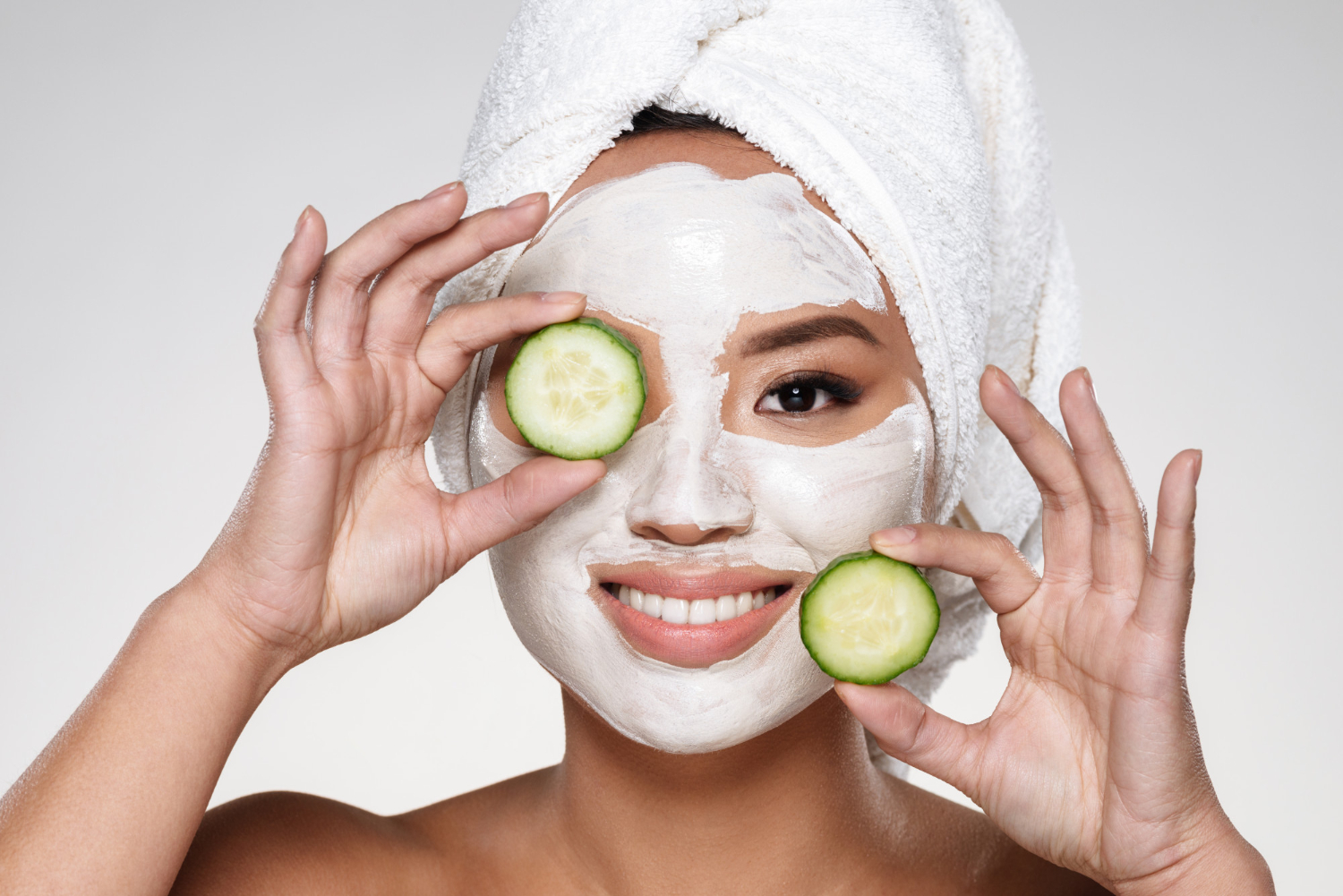
Nature offers a wide variety of ingredients that can transform the way skin looks and feels. Turmeric is prized for its anti-inflammatory properties and is often used to lighten scars and even out skin tone. Aloe vera is cooling and hydrating and helps calm sunburns or irritation. Honey has antibacterial qualities that make it perfect for acne-prone skin while also locking in moisture. Green tea is filled with antioxidants that fight early signs of aging and reduce puffiness. Cucumber slices have long been placed on tired eyes because of their soothing and hydrating qualities. Coconut oil, while not suitable for everyone, provides deep hydration and can also serve as a natural makeup remover. Lemon juice has brightening effects but must always be diluted to avoid irritation. Neem is an ancient remedy used for its antibacterial power against acne. These ingredients remind us that the simplest solutions are often the most effective.

The Role of Lifestyle in Skincare

Skincare does not stop with external products. The body reflects what we eat, drink, and how we live. Staying hydrated is one of the most powerful ways to keep skin supple and plump. Water flushes out toxins and supports the natural renewal of skin cells. Diet is equally important. A plate filled with colorful fruits and vegetables supplies vitamins, minerals, and antioxidants that fight free radicals. Foods rich in omega-3 fatty acids, such as walnuts, flaxseeds, and fatty fish, improve skin elasticity and reduce inflammation.

Sleep has been nicknamed beauty rest for a reason. During deep sleep, the skin repairs itself, producing collagen and reversing the damage caused during the day. Chronic sleep deprivation leads to dullness, fine lines, and dark circles. Stress is another factor that directly affects the skin. Stress hormones like cortisol trigger acne, eczema, and premature aging. Activities such as meditation, yoga, or simply spending time in nature reduce stress and create visible improvements in the complexion. Regular exercise boosts circulation and brings oxygen and nutrients to skin cells, giving a natural glow. Avoiding smoking and limiting alcohol intake also prevent premature aging, dryness, and loss of elasticity.

Avoiding Common Mistakes in Natural Skincare

Even with natural remedies, mistakes are common. Many people assume that because an ingredient is natural, it is automatically safe. However, natural products can still trigger allergies. Essential oils, for example, must always be diluted before application, as direct use may cause burns or irritation. Over-exfoliating with natural scrubs can strip away protective layers of the skin, leading to sensitivity. Skipping sunscreen simply because one is indoors is another error, since harmful rays penetrate through windows and even affect the skin under fluorescent lighting. Choosing remedies without considering skin type often leads to mixed results. Patch testing new ingredients is always recommended before applying them across the face.

Adjusting Skincare for Age

The skin evolves with age, and natural care should evolve with it. Teenagers usually struggle with acne and excess oil. Gentle cleansing, aloe vera, and neem can help manage breakouts without causing harsh dryness. In the twenties and thirties, preventive care becomes important. Antioxidants like vitamin C and green tea fight early signs of aging, while consistent hydration maintains skin’s resilience. In the forties and fifties, the focus shifts to anti-aging. Rosehip oil and bakuchiol, a natural alternative to retinol, help boost collagen and reduce fine lines. Beyond the sixties, the skin becomes thinner and drier. Deep hydration through nourishing oils and soothing masks becomes essential. In every age group, sunscreen remains the most effective anti-aging measure.

Making Skincare Eco-Friendly

Choosing natural skincare can also extend to eco-friendly practices. Reusable cotton pads replace disposable wipes, and biodegradable packaging reduces waste. Many people now grow aloe vera, mint, or tulsi at home, ensuring a fresh supply of natural remedies. Supporting ethical brands that prioritize sustainability helps create positive change not only for our own health but also for the planet.

Conclusion

Healthy, glowing skin is not achieved through quick fixes or endless chemical products. It is the result of consistent natural care, both externally and internally. By cleansing gently, moisturizing wisely, protecting from the sun, and using simple but powerful natural ingredients, you give your skin the chance to thrive. By living a lifestyle that includes hydration, balanced diet, quality sleep, stress management, and exercise, you enhance those benefits from within.

Natural skincare is a journey that requires patience and mindfulness, but the rewards are lasting. With every natural ritual, from applying aloe vera to sipping enough water, you are not just caring for your skin; you are embracing a philosophy of wellness that values harmony with nature. Over time the results appear not only in the mirror but also in how confident, balanced, and healthy you feel.

The Science Behind Anti-Aging Skincare: Ingredients That Really Work

Discover the secrets of youthful skin with this engaging blog post that delves into the science behind anti-aging skincare. Uncover the ingredients that truly work wonders in the battle against aging.

Introduction
Hey there, beautiful souls! Are you ready to unlock the secrets of eternal youth? Well, maybe not quite that dramatic, but today we’re going to dive into the fascinating world of anti-aging skincare. We all want to look and feel our best as we age gracefully, right? So, let’s embark on this science-filled journey together and explore the ingredients that truly work wonders when it comes to reversing the signs of aging. Get ready for some mind-blowing knowledge and some seriously glowing skin!

The Fountain of Youth: Myth or Reality?
We’ve all heard tales of the mystical Fountain of Youth that promises eternal beauty and everlasting youth. While that particular fountain might exist only in folklore, science has brought us a long way in understanding the aging process and how we can slow it down. The key lies in the magical world of skincare ingredients.

Power-Packed Ingredients That Turn Back the Clock

  • Retinol
    Let’s start with the holy grail of anti-aging ingredients—retinol. This vitamin A derivative has been proven time and time again to reduce fine lines, wrinkles, and even skin discoloration. It works it’s magic by stimulating collagen production, increasing cell turnover, and improving overall skin texture. Talk about a triple threat against aging!
  • Hyaluronic Acid
    Don’t let the name scare you; hyaluronic acid is a natural compound found in our bodies. It’s a hydration superhero that can hold up to a thousand times its weight in water! Our skin loses moisture as we age, which causes dryness and the emergence of fine lines. Hyaluronic acid swoops in to save the day by replenishing moisture levels, giving your skin a plump and youthful appearance.
  • Vitamin C
    We’re all aware of the potency of vitamin C in boosting our immune system, but did you realize that this is also a fantastic ingredient for combating age? Vitamin C’s a powerful antioxidant that neutralizes free radicals, these annoying molecules which speed up the aging process. Additionally, it promotes collagen synthesis, brightens the skin, and helps fade dark spots. It’s like a ray of sunshine on your face!
  • Peptides
    These little wonders are chains of amino acids that act as building blocks for proteins like collagen and elastin. As we age, our natural peptide production declines, leading to sagging and loss of elasticity. Incorporating peptide-rich products into your skincare routine can help your skin regain its bounce and firmness. It’s like giving your face a much-needed boost of strength training!
  • Niacinamide
    Say hello to one of the most versatile anti-aging ingredients out there—niacinamide. This form of vitamin B3 is a multitasking powerhouse. It’s designed to reduce redness, improve skin elasticity, regulate oil production, and even minimize the appearance of pores. It’s a true game-changer for aging skin and deserves a prime spot on your bathroom shelf.
  • Alpha Hydroxyl Acids (AHAs)
    Get ready to exfoliate your way to youthful skin thanks to AHAs. These natural acids, such as glycolic acid and lactic acid, work wonders in sloughing off dead skin cells, promoting cell turnover, and revealing a fresher, brighter complexion. They also help fade dark spots and improve the overall texture of your skin. Start with a low concentration and gradually increase as your skin gets accustomed to AHAs. Don’t forget to wear sunscreen during the day when using AHAs, as they can increase your skin’s sensitivity to the sun.
  • Resveratrol
    Time to uncork the secrets of youthful skin! Resveratrol is an excellent antioxidant that helps protect your skin from environmental damage, and it’s mainly present in grapes and wine. It fights free radicals and reduces inflammation, ultimately preventing premature aging. Incorporate resveratrol-rich products into your routine for its rejuvenating and protective benefits. Cheers to that!

Conclusion: Embrace Your Ageless Beauty
It’s time to make use of this knowledge now that we have explored the world of Anti-Aging Skin Care ingredients. Remember that aging’s a natural part of life; our objective isn’t simply to slow down time. Instead, let’s embrace our ageless beauty and give our skin the love and care it deserves. You can strengthen your skin, reduce signs of aging and experience a sense of confidence with your radiant skin when you use these scientifically substantiated ingredients in an everyday beauty regimen.

Well, dear friends, are you ready to join us on this road in search of the secrets of youth and glowing skin? Hopefully, this article will provide some insight into the science behind Anti-aging skincare, and hopefully, you’ve got the best tools to help you make your choices on what products to use. Remember, the real magic lies within you, and skincare is just an added boost to help you shine even brighter.