

Inspired by Neighbour

How to Improve Sleep Quality Naturally: A Complete Guide

Sleep is one of the most powerful yet overlooked aspects of human health. While we often focus on diet and exercise, the quality of our sleep can make or break our physical, mental, and emotional well-being. Poor sleep leads to fatigue, irritability, reduced concentration, weakened immunity, and long-term risks such as heart disease or diabetes. On the other hand, consistent restorative sleep improves energy, mood, memory, creativity, and resilience.

Millions of people struggle with sleep issues. Some toss and turn for hours before falling asleep. Others wake up repeatedly through the night. Many rely on caffeine to function the next day, setting up a cycle of sleeplessness and dependency. The good news is that there are natural, science-backed strategies to improve sleep quality without relying solely on medication. In this article, we will explore what affects sleep, why it matters, and practical ways you can enhance your rest naturally.

Why Sleep Quality Matters

Sleep is not just downtime. It is an active biological process during which the brain and body repair themselves. During deep sleep, tissues heal, muscles recover, and growth hormones are released. In rapid eye movement (REM) sleep, the brain processes memories, regulates emotions, and integrates learning. Without enough deep and REM sleep, we cannot function at our best.

Consistently poor sleep has been linked to a host of issues, from weight gain and high blood pressure to depression and cognitive decline. It also lowers productivity and reduces our ability to handle stress. High-quality sleep, in contrast, acts as a natural performance enhancer, boosting focus, creativity, and emotional balance.

Common Causes of Poor Sleep

Understanding why sleep quality suffers is the first step to improving it. Several factors can interfere with restful sleep. Stress and anxiety are leading culprits, often keeping the mind active when the body is ready for rest. Irregular schedules, excessive screen time, caffeine, alcohol, and heavy meals before bed also play a role. Environmental factors such as noise, light, and room temperature affect how easily we fall and stay asleep.

Medical conditions including sleep apnea, restless legs syndrome, and chronic pain further complicate matters. While these may require professional care, lifestyle adjustments can still make a meaningful difference for many people.

Natural Strategies to Improve Sleep Quality

Improving sleep quality naturally involves a combination of healthy habits, calming rituals, and a supportive sleep environment. The following strategies are grounded in research and can be incorporated gradually for lasting results.

Create a Consistent Sleep Schedule

The human body thrives on rhythm. Our internal clock, known as the circadian rhythm, regulates sleep and wake cycles. Going to bed and waking up at the same time each day trains the body to expect rest at predictable times. Irregular sleep schedules, such as staying up late on weekends or alternating shifts, confuse the circadian rhythm and reduce sleep quality. Setting a consistent schedule, even on days off, reinforces natural rhythms and makes falling asleep easier.

Optimize Your Sleep Environment

Your bedroom should feel like a sanctuary for rest. Darkness is crucial since exposure to light signals the brain to stay awake. Blackout curtains, sleep masks, and dim lighting in the evening help maintain darkness. Temperature also matters. Most people sleep best in a cool room, around 60 to 67 degrees Fahrenheit. Quiet surroundings support deeper sleep, though white noise machines or fans can help mask disruptive sounds. Comfortable mattresses, supportive pillows, and breathable bedding complete the foundation for restful nights.

Limit Screen Time Before Bed

Blue light emitted from phones, tablets, and computers interferes with melatonin production, the hormone that signals the body to sleep. Checking social media or emails late at night also stimulates the brain, making it harder to unwind. A digital curfew of at least one hour before bed allows the mind and body to prepare for sleep. Instead of scrolling through screens, try reading a book, journaling, or practicing gentle stretches.

Watch What You Consume

What you eat and drink can either help or hinder sleep. Caffeine is an obvious disruptor and should be avoided at least six hours before bedtime. Alcohol may initially make you drowsy but often disrupts sleep cycles, leading to shallow and fragmented rest. Heavy or spicy meals can cause discomfort at night, while light snacks like bananas, almonds, or warm milk may promote sleep. Staying hydrated is important, but drinking too much water late at night can cause multiple awakenings.

Develop a Relaxing Bedtime Routine

A calming pre-sleep routine signals the body that it is time to wind down. Simple rituals such as taking a warm bath, practicing deep breathing, or sipping herbal tea can reduce stress and prepare you for rest. Relaxation techniques like meditation, progressive muscle relaxation, or guided imagery can quiet the mind. Consistency in your nighttime rituals reinforces the body’s association between these activities and sleep.

Stay Active During the Day

Regular physical activity promotes deeper sleep. Exercise helps regulate circadian rhythms and reduces stress levels. Aerobic activities such as walking, jogging, or swimming are especially effective. However, timing matters. Vigorous exercise too close to bedtime can be stimulating, so it is best to finish workouts at least a few hours before sleeping. Gentle yoga or stretching in the evening can still be beneficial without overstimulation.

Manage Stress and Anxiety

Mental unrest is a leading cause of sleep difficulties. Practicing mindfulness, journaling, or engaging in calming hobbies helps clear the mind. Cognitive behavioral techniques, such as challenging negative thoughts, can also be effective. Writing down tasks for the next day before bedtime prevents the mind from racing with unfinished business. Over time, developing resilience against stress directly improves sleep quality.

Use Natural Aids Wisely

Some natural remedies may support sleep when used responsibly. Herbal teas made with chamomile, valerian root, or passionflower have calming properties. Supplements like magnesium can relax muscles and support melatonin production. Aromatherapy with lavender essential oil has been shown to improve relaxation. While these aids can help, they should complement healthy habits rather than replace them. Consulting with a healthcare professional before trying new supplements is always recommended.

The Role of Daylight in Better Sleep

Exposure to natural light during the day reinforces circadian rhythms. Sunlight signals the body to stay alert, while the absence of light at night triggers melatonin release. Spending at least 30 minutes outdoors in natural light, especially in the morning, helps regulate sleep-wake cycles. For those who spend much of their time indoors, light therapy lamps can provide similar benefits.

Sleep and Mental Health

The relationship between sleep and mental health is bidirectional. Poor sleep increases the risk of anxiety and depression, while these conditions often worsen insomnia. Improving sleep can therefore be a powerful tool for emotional well-being. Creating a supportive sleep environment, practicing relaxation, and seeking counseling or therapy when needed can break the cycle. When mental health improves, sleep quality often follows.

The Importance of Patience and Consistency

Improving sleep naturally is not an overnight fix. It takes time to retrain the body and mind. Consistency in habits is key. Skipping routines or reverting to old patterns can undo progress. The more consistently you practice healthy sleep habits, the more reliable and restorative your sleep will become. Patience is crucial because gradual improvement often leads to long-term success.

When to Seek Professional Help

While lifestyle changes improve sleep for many people, persistent insomnia or disrupted sleep may indicate an underlying medical condition. Sleep apnea, restless legs syndrome, or chronic pain can interfere with rest and require professional treatment. If you regularly wake up exhausted despite following healthy habits, it may be time to consult a doctor or sleep specialist. Medical evaluations, sleep studies, or targeted therapies can identify and address deeper issues.

Conclusion

Sleep is one of the most valuable resources for health and happiness. Unlike quick fixes, natural strategies for improving sleep create sustainable results that benefit both body and mind. By creating consistent routines, optimizing your environment, reducing stress, and supporting your circadian rhythm, you can dramatically improve the quality of your rest.

Better sleep is not a luxury; it is a necessity for thriving in daily life. Investing in your sleep through natural methods rewards you with energy, focus, resilience, and overall well-being. Whether you start by adjusting your schedule, setting aside screens, or embracing calming bedtime rituals, each small step brings you closer to nights of deep, restorative rest and days filled with vitality.
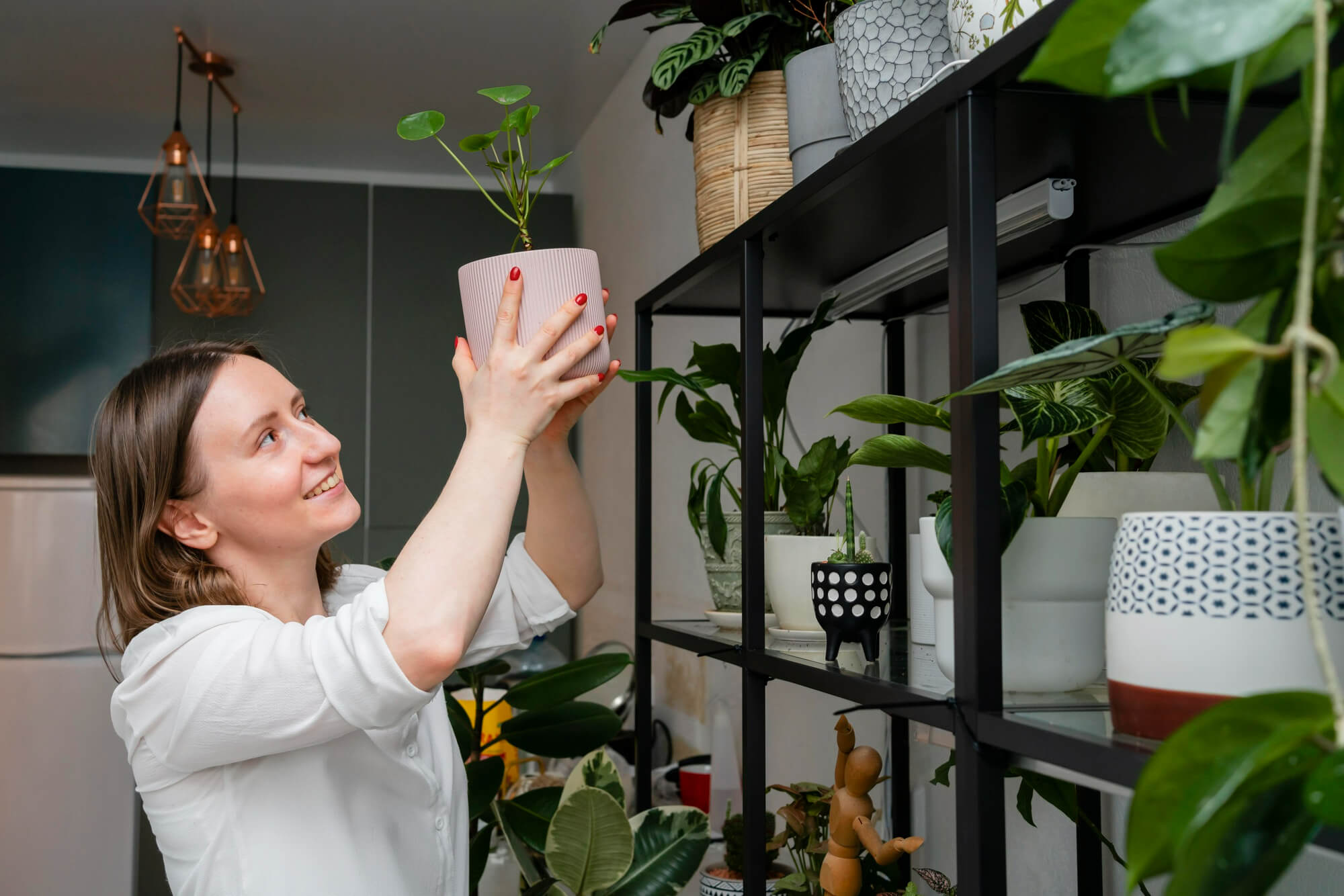

Indoor Plants That Improve Air Quality: Low Maintenance Options

In modern living, our homes and offices are filled with synthetic materials, electronic devices, and closed windows. While these spaces feel comfortable, the air inside them is often more polluted than the air outdoors. Dust, mold spores, cleaning chemicals, and volatile organic compounds from furniture or paint accumulate indoors. Over time, this poor air quality can lead to fatigue, headaches, allergies, and even long-term health concerns. Fortunately, nature provides a simple and beautiful solution. Indoor plants not only enhance the look of a room but also improve air quality by filtering toxins and releasing oxygen.

For people who love greenery but worry about upkeep, there is good news. Many plants require little attention, thrive in different environments, and still deliver impressive benefits for cleaner air. This article explores how indoor plants help purify the atmosphere, why they are essential for health and well-being, and which low maintenance varieties you should consider bringing into your space.

Why Indoor Plants Improve Air Quality

Plants are natural air filters. Through photosynthesis, they absorb carbon dioxide and release oxygen, refreshing the air we breathe. More importantly, studies by NASA and other organizations have shown that many common houseplants remove pollutants such as benzene, formaldehyde, xylene, and trichloroethylene. These chemicals are found in household products like cleaners, paints, adhesives, and fabrics.

In addition to removing toxins, plants regulate humidity by releasing moisture into the air. This helps combat dry skin, irritated eyes, and respiratory discomfort caused by air conditioning or heating. Some plants even release antimicrobial compounds that reduce airborne microbes. The result is not just cleaner air but also a healthier indoor environment that supports concentration, relaxation, and better sleep.

Benefits Beyond Clean Air

While the main advantage of indoor plants is air purification, their benefits extend far beyond that. Greenery indoors has been shown to lower stress levels, improve mood, and increase productivity. Hospitals that incorporate plants report faster recovery times in patients. Offices with greenery see higher creativity and lower absenteeism.

Plants also enhance interior design. They add life and texture to any room, complementing styles from minimalist to bohemian. Large leafy plants make bold statements in living rooms, while small potted varieties brighten kitchens, bathrooms, or work desks. The combination of health benefits and aesthetic appeal makes plants one of the most valuable additions to any home or office.

Low Maintenance Indoor Plants That Purify the Air

Not everyone has the time or energy to care for demanding plants. Thankfully, many air-purifying plants thrive on minimal care. Below are some of the most effective and easy-to-grow options.

Snake Plant (Sansevieria trifasciata)

Often called “mother-in-law’s tongue,” the snake plant is a hardy species that tolerates neglect. Its tall, upright leaves with variegated patterns add elegance to any corner. Snake plants are highly efficient at filtering formaldehyde, benzene, and xylene. They are unique in that they release oxygen at night, making them excellent bedroom companions. Watering is required only when the soil is completely dry, and they adapt to both low and bright light.

Spider Plant (Chlorophytum comosum)

Spider plants are popular for good reason. Their arching leaves and small plantlets, often called “pups,” create a lively display. They excel at removing carbon monoxide and formaldehyde. Spider plants grow quickly, are non-toxic to pets, and thrive in indirect light. They require watering once or twice a week and forgive occasional neglect.

Peace Lily (Spathiphyllum)

Peace lilies are admired for their glossy leaves and white blooms that resemble calla lilies. They are powerful air purifiers, reducing toxins such as ammonia, benzene, and trichloroethylene. Peace lilies also increase humidity, making them helpful for dry environments. They prefer low to medium light and need only weekly watering. While slightly more sensitive than snake or spider plants, they remain manageable and provide stunning beauty.

Aloe Vera

Famous for its healing gel, aloe vera also acts as an air purifier. It removes benzene and formaldehyde and thrives with very little water. Aloe prefers bright, indirect light and sandy soil. Besides cleaning the air, its gel can be used to soothe burns, cuts, or skin irritation, making it a functional and decorative choice.

ZZ Plant (Zamioculcas zamiifolia)

The ZZ plant has become a favorite for modern interiors because of its shiny, waxy leaves and extreme durability. It tolerates low light, infrequent watering, and a variety of conditions. Despite requiring minimal care, it filters toxins and adds a touch of sophistication. Its slow growth means little maintenance, and it rarely attracts pests.

Bamboo Palm (Chamaedorea seifrizii)

Bamboo palms bring tropical vibes indoors with their feathery fronds. They are effective at removing benzene and trichloroethylene while adding humidity. Bamboo palms prefer indirect light and moderate watering. With proper care, they can grow into impressive floor plants that enhance living rooms or offices.

Rubber Plant (Ficus elastica)

Rubber plants are striking with their large, glossy leaves that range from deep green to burgundy. They are known to absorb carbon dioxide and release oxygen efficiently. Rubber plants thrive in bright, indirect light but can adapt to lower levels. They need occasional watering and wiping of leaves to keep them dust-free, which also improves their air-filtering ability.

Tips for Caring for Indoor Plants

Even low maintenance plants need some basic attention to stay healthy. Watering correctly is crucial. Overwatering is the most common mistake, leading to root rot. It is better to underwater slightly than to keep soil soggy. Most plants prefer soil that dries out partially between waterings.

Light is another key factor. While some plants thrive in low light, all need at least some indirect sunlight to stay strong. Rotating plants occasionally ensures even growth. Dusting leaves helps them breathe and perform photosynthesis more efficiently.

Using well-draining pots prevents water buildup. Fertilizing once every few months with a balanced houseplant fertilizer supports steady growth. Observing plants regularly makes it easier to catch signs of stress, such as yellowing leaves, and adjust care routines accordingly.

Indoor Plants and Pet Safety

While many indoor plants are harmless, some varieties can be toxic to cats and dogs. For example, peace lilies and rubber plants may cause stomach upset in pets if ingested. Pet owners should research each plant carefully and place potentially harmful ones out of reach. Safe options include spider plants, areca palms, and certain ferns. Balancing greenery with pet safety ensures a harmonious household.

Creating an Indoor Jungle

For enthusiasts who want more than just a few potted plants, creating an indoor jungle is an exciting way to combine health and décor. Start with easy plants like snake plants and spider plants, then gradually add variety. Grouping plants together creates a microclimate with higher humidity that benefits them. Using stands, shelves, and hanging baskets adds layers of greenery and transforms rooms into lush retreats.

The trend of indoor jungles has gained popularity on social media, inspiring countless people to embrace biophilic design. Beyond beauty, these green spaces provide measurable benefits in cleaner air, reduced stress, and improved well-being.

The Psychological Connection with Nature

Humans have an innate bond with nature, often called biophilia. Bringing plants indoors reconnects us to natural rhythms and colors that modern life often suppresses. Studies show that spending time in green environments lowers blood pressure, reduces anxiety, and boosts creativity. Indoor plants extend these benefits into our daily living spaces, providing small but powerful doses of nature even in urban apartments or offices.

Conclusion

Improving indoor air quality does not always require expensive purifiers or complex systems. Sometimes the simplest solution is also the most beautiful. Indoor plants clean the air, regulate humidity, and bring vitality to every room. Snake plants, spider plants, peace lilies, aloe vera, ZZ plants, bamboo palms, and rubber plants all prove that you can have cleaner air without demanding care routines.

Beyond their physical benefits, plants nurture the mind and spirit. They reduce stress, enhance focus, and connect us with the calming rhythms of nature. Whether you want a single pot on your desk or an indoor jungle that transforms your home, these low maintenance air-purifying plants provide a path to healthier, more balanced living.

By choosing the right plants, you invest not only in décor but also in long-term wellness. Clean air, calmer minds, and greener surroundings are gifts that keep giving, reminding us that nature belongs not just outdoors but within our homes as well.

Ayurvedic Home Routine for Balance and Wellness

In a fast-paced world where stress, pollution, screen time, and constant busyness dominate, many people are returning to ancient wisdom for peace, wellness, and balance. Ayurveda, one of the oldest holistic health systems, offers guidance that goes beyond diet or herbal remedies. It is a full system that includes routines, rhythms, and rituals that integrate body, mind, and environment. An Ayurvedic home routine can restore harmony in daily living, improve health, support mental calm, and help you feel more grounded.

This article will explain what Ayurveda is in context of daily life, why home routines matter, and walks you through practical Ayurvedic practices you can incorporate to bring balance and wellness into your home.

What is Ayurveda (in Daily Life)

Ayurveda, which means “science of life,” originated in India over 5,000 years ago. It operates on the idea that health is achieved through balance among three fundamental energies or doshas: Vata, Pitta, and Kapha. Each person has a unique constitution, or prakriti, determined by the relative proportions of these doshas. When these energies are in harmony, the body and mind function well. When one of them is out of balance, it can lead to physical or mental issues.

Ayurveda sees illness not merely as symptoms but as signals to adjust one’s daily habits, environment, diet, sleep, and inner state. Therefore routines or dinacharya are central. Routines set predictable rhythms that help the body regulate digestion, sleep, metabolism, stress, and rejuvenation. Re-establishing these rhythms often produces outsized benefits for people who have irregular schedules or high stress.

Why a Home Routine Makes a Big Difference

Our homes are where we eat, sleep, relax, work, and often where stress accumulates. How we live at home—what we do first thing in the morning, how we wind down in the evening—affects health, mood, immunity, and longevity. A thoughtful routine supports:

  • Better digestion through stable meal times

  • Improved sleep quality by having a consistent bedtime ritual

  • Stress reduction by intermittent rest, mindfulness, and detachment from screens

  • Enhanced energy because the body expects and adapts to rhythms

  • Mental clarity and calm by reducing chaos and unpredictability

Incorporating Ayurvedic routines into your home does not require major changes or spending a lot. It often begins with small, regular habits that align with natural rhythms and your body’s needs.

Designing Your Ayurvedic Home Routine

Below are key elements you can include in your daily home routine. You can adapt them based on your dosha type, your schedule, your environment, and what feels manageable.

Morning Practices

Waking up with the sunrise or just before it helps align with natural light cycles. After waking, wash the face with cool water, scrape tongue to remove overnight toxins, brush teeth, and take a few moments in silence or meditate for even just five minutes. Drinking a glass of warm water helps flush out toxins and awaken digestion.

Sunlight exposure in the morning helps regulate circadian rhythm. Spending few minutes in sunlight also boosts Vitamin D and mood. Gentle stretching or yoga asanas loosen up muscles, reduce stiffness, improve circulation, and prepare the body and mind for the day.

Mealtimes and Diet

Ayurveda places strong importance on what, when, and how one eats. Eating the main meal at mid-day when digestion is strongest is ideal. Dinner should be light and eaten at least three to four hours before sleep. Warm, cooked foods are easier to digest than cold or raw ones, especially for those with weaker digestion. Use seasonal, local foods. Herbs like ginger, turmeric, cumin, coriander support digestion, reduce inflammation, and help keep dosha balance.

Avoid overeating. Eat until about three-quarters full. Chew each bite thoroughly. Eating in calm, pleasant surroundings without distractions supports digestion. When meals follow a regular schedule, hunger cues, digestion, energy all stabilize.

Midday and Afternoon Balance

Afternoon is when Pitta energy tends to peak. Keeping the midday period calm helps avoid overheating mentally or physically. If possible, take brief rest after lunch. A short walk in shade or a gentle breathing exercise resets focus. Avoid heavy workload during peak heat. Sipping warm water or herbal teas such as tulsi (holy basil), peppermint, or chamomile aids digestion and cooling.

If needed, light snacks between meals can help maintain energy without burdening digestion. Nuts, fresh fruit, sprouts are good choices when chosen wisely.

Evening Wind Down

Evening rituals are essential because modern life often blurs boundaries between day and night. Start dimming artificial lights, turning off screens at least one hour before bed. Choosing calm music, reading, gentle stretching or self-massage with warm oil eases nervous system tension. A warm herbal bath with calming scents such as lavender, sesame oil, or rose helps release accumulated stress from the day.

Dinner should be light, easy to digest, and ideally eaten in quieter, peaceful atmosphere. Avoid stimulants like caffeine in late afternoon or evening. After dinner, allow digestion to complete before lying down; walking slowly indoors for few minutes helps.

Sleep and Night Routine

Going to bed at consistent time each night sets strong sleep rhythms. Create a bedroom that is clean, calm, and free of clutter. Use soft lighting. Keep temperature moderate, ideally slightly cool. Use natural fabrics for bedding. Avoid keeping electronic devices near bed or with screens facing you. If mind is active, try writing down tomorrow’s tasks to unload thoughts.

If waking in night, avoid switching on bright lights. Gentle lull or warm water helps settle back. Upon waking, open windows or expose oneself to natural light to restart circadian rhythm.

Weekly & Seasonal Adjustments

Ayurveda recognizes that each season changes qualities of weather, light, food, and energy. Routines should adjust accordingly. In hot season reduce heating foods, include cooling foods, avoid midday heat exposure. In cold seasons add warming practices: warm oils, heavier meals, hot water, more rest.

Once a week one self-care ritual helps: such as oil massage (abhyanga), foot soak, or spending time in nature. Cleaning home space, letting fresh air and sunlight in, decluttering helps reset energy in home.

Adapting for Different Doshas

While many routines are generally beneficial, customizing based on Vata, Pitta, or Kapha can make them more effective.

If Vata is strong you might need grounding: more rest, warm foods, calm routine, regular meals. If Pitta is dominant calming practices, avoiding heat, spicy food, cooling teas help. If Kapha is heavy you may benefit from more movement, lighter foods, cleaning routines, more sunlight.

Understanding your dosha can guide which routines you emphasize, but even without full knowledge you can experiment and notice what feels more peaceful, balanced, energetic.

Ayurvedic Home Environment & Practices

The home itself contributes to wellness. Use natural materials where possible: wooden furniture, natural fiber fabrics, cotton, linen. Avoid synthetic smells, strong artificial fragrances. Let in natural light. Keep air moving by opening windows. Grow indoor plants that improve air naturally. Clean with natural methods: herbs, lemon, baking soda instead of harsh chemicals.

Display objects that bring calm and joy. Let space remain uncluttered. Let each room have purpose—space for rest, for activity, for quiet. Surroundings affect mental state deeply.

Mental & Emotional Wellness

Ayurveda sees mind and body inseparable. Daily meditation or mindfulness practice calms the overactive mind. Journaling or reflecting in the evening helps process thoughts. Gratitude practice shifts focus from what is lacking to what is present. Kindness, compassion, restful social interactions reconnect with community.

Avoid overstimulation of senses in evening: dim lights, reduced noise, gentle music. Limit exposure to upsetting news before bed. Use the power of breath: pranayama, simple breathing exercises bring calm and reduce stress hormones.

Realistic Implementation: How to Start

The most successful routines begin small. Pick one or two morning practices. Perhaps warm water on waking and a five-minute stretch. Notice how it feels. Then add one food habit. Then an evening relaxation step. Over weeks build. Be consistent rather than perfect. Some days will be harder—do what you can.

Keep a journal or log: noticing energy levels, mood, digestion, sleep. Over time you will see patterns. Adjust what works and discard what does not.

Benefits You Can Expect

Within a few days you may notice better digestion, more stable energy, less midday fatigue. Within a week improved sleep, calmer mind, less stress. Over longer term lower frequency of illness, stronger immunity, more clarity, feeling more anchored in your life rather than being swept by external chaos.

Conclusion

An Ayurvedic home routine offers more than a wellness trend. It reconnects us with nature, our bodies, inner rhythms, and the rhythms of day and season. It supports health not by reacting when things go wrong but by establishing balance that prevents stress, disease, tiredness and overwhelm.

You do not need to overhaul your life overnight. Small steps, consistent practice, attention to what your body and mind need, make all the difference. Whether you are early riser or night owl, whether you live in a small apartment or large home, you can bring Ayurveda into daily life.

Balance, wellness, calm are not far off. They begin at home with intention, routine, simple choices. Let your home become a sanctuary, your rhythm become your guide, and your wellness your deepest expression.

Natural Skincare Tips for Healthy, Glowing Skin

For centuries people across the world have been drawn to the idea of radiant, healthy skin. From the use of Ayurvedic herbs in India to olive oil rituals in Greece and rice water remedies in Japan, natural skincare has always been at the heart of beauty traditions. In modern times, when chemical-based products dominate store shelves, the shift back to natural methods is gaining momentum. Natural skincare is not just about avoiding artificial ingredients. It is about creating a holistic relationship with your skin, nourishing it from the inside out, and adopting daily habits that support long-term health.

Why Natural Skincare Matters

The skin is the body’s largest organ and serves as a vital protective barrier. Yet it is also porous, which means that what we apply externally can enter our system. Conventional skincare products often contain synthetic chemicals, parabens, artificial fragrances, and preservatives that may cause irritation, dryness, and in some cases long-term damage. Natural skincare emphasizes ingredients derived from plants, minerals, and other earth-based sources. These ingredients tend to be gentler, less likely to irritate, and rich in vitamins and antioxidants that support the skin’s natural functions. Choosing natural skincare is also an eco-conscious decision since it avoids harmful substances that pollute water systems and contribute to environmental degradation.

Understanding Your Skin Before Starting

The first step in building a natural skincare routine is to understand your own skin. No two people have identical needs. Dry skin feels tight, rough, or flaky and often craves deep hydration. Oily skin produces excess sebum, leaving a shiny appearance and often leading to clogged pores or breakouts. Combination skin has both oily and dry areas, usually with an oily forehead, nose, and chin but drier cheeks. Sensitive skin reacts easily to strong fragrances, weather changes, or harsh products. Some people are fortunate to have balanced or normal skin that does not lean strongly in any direction but still requires consistent care to maintain harmony. Once you understand your skin’s tendencies, you can select natural ingredients and routines that work with your body rather than against it.

Creating a Daily Natural Skincare Routine

A routine does not have to be complicated or expensive. What matters most is consistency and the use of products that are kind to your skin. In the morning begin by cleansing with something gentle. Honey, for instance, works as a natural antibacterial cleanser that also hydrates. For those who prefer something more traditional, gram flour mixed with a little water has been used for generations in South Asia to refresh the skin. After cleansing, applying a natural toner such as rose water helps to balance the skin’s pH and soothe irritation.

Moisturizing is essential no matter what type of skin you have. Aloe vera gel provides lightweight hydration for oily or sensitive skin, while cold-pressed oils such as almond, jojoba, or coconut deliver deep nourishment for dry skin. During the day, protecting your skin from the sun is non-negotiable. Choosing mineral-based sunscreens with zinc oxide or titanium dioxide offers a natural shield against harmful rays without the side effects of harsh chemicals.

In the evening, cleansing should be more thorough to remove traces of dirt, pollution, and makeup. Many people find that the method of double cleansing works best. The first step involves applying a natural oil such as olive, coconut, or almond oil to dissolve impurities. The second step is a gentle cleanser that clears away any residue. Exfoliation should be included two or three times a week rather than daily. Natural scrubs made with oatmeal and yogurt or coffee grounds mixed with honey help lift away dead cells without damaging the skin barrier.

Masks provide an additional layer of care. Turmeric combined with yogurt brightens and reduces blemishes. Mashed avocado or banana with honey adds hydration, while fuller’s earth, also known as multani mitti, absorbs excess oil. At night, the skin repairs itself, making it the perfect time to apply nourishing oils such as rosehip or argan oil. These oils are rich in essential fatty acids and antioxidants that support collagen production and reduce signs of aging.

Natural Ingredients That Transform Skin

Nature offers a wide variety of ingredients that can transform the way skin looks and feels. Turmeric is prized for its anti-inflammatory properties and is often used to lighten scars and even out skin tone. Aloe vera is cooling and hydrating and helps calm sunburns or irritation. Honey has antibacterial qualities that make it perfect for acne-prone skin while also locking in moisture. Green tea is filled with antioxidants that fight early signs of aging and reduce puffiness. Cucumber slices have long been placed on tired eyes because of their soothing and hydrating qualities. Coconut oil, while not suitable for everyone, provides deep hydration and can also serve as a natural makeup remover. Lemon juice has brightening effects but must always be diluted to avoid irritation. Neem is an ancient remedy used for its antibacterial power against acne. These ingredients remind us that the simplest solutions are often the most effective.

The Role of Lifestyle in Skincare

Skincare does not stop with external products. The body reflects what we eat, drink, and how we live. Staying hydrated is one of the most powerful ways to keep skin supple and plump. Water flushes out toxins and supports the natural renewal of skin cells. Diet is equally important. A plate filled with colorful fruits and vegetables supplies vitamins, minerals, and antioxidants that fight free radicals. Foods rich in omega-3 fatty acids, such as walnuts, flaxseeds, and fatty fish, improve skin elasticity and reduce inflammation.

Sleep has been nicknamed beauty rest for a reason. During deep sleep, the skin repairs itself, producing collagen and reversing the damage caused during the day. Chronic sleep deprivation leads to dullness, fine lines, and dark circles. Stress is another factor that directly affects the skin. Stress hormones like cortisol trigger acne, eczema, and premature aging. Activities such as meditation, yoga, or simply spending time in nature reduce stress and create visible improvements in the complexion. Regular exercise boosts circulation and brings oxygen and nutrients to skin cells, giving a natural glow. Avoiding smoking and limiting alcohol intake also prevent premature aging, dryness, and loss of elasticity.

Avoiding Common Mistakes in Natural Skincare

Even with natural remedies, mistakes are common. Many people assume that because an ingredient is natural, it is automatically safe. However, natural products can still trigger allergies. Essential oils, for example, must always be diluted before application, as direct use may cause burns or irritation. Over-exfoliating with natural scrubs can strip away protective layers of the skin, leading to sensitivity. Skipping sunscreen simply because one is indoors is another error, since harmful rays penetrate through windows and even affect the skin under fluorescent lighting. Choosing remedies without considering skin type often leads to mixed results. Patch testing new ingredients is always recommended before applying them across the face.

Adjusting Skincare for Age

The skin evolves with age, and natural care should evolve with it. Teenagers usually struggle with acne and excess oil. Gentle cleansing, aloe vera, and neem can help manage breakouts without causing harsh dryness. In the twenties and thirties, preventive care becomes important. Antioxidants like vitamin C and green tea fight early signs of aging, while consistent hydration maintains skin’s resilience. In the forties and fifties, the focus shifts to anti-aging. Rosehip oil and bakuchiol, a natural alternative to retinol, help boost collagen and reduce fine lines. Beyond the sixties, the skin becomes thinner and drier. Deep hydration through nourishing oils and soothing masks becomes essential. In every age group, sunscreen remains the most effective anti-aging measure.

Making Skincare Eco-Friendly

Choosing natural skincare can also extend to eco-friendly practices. Reusable cotton pads replace disposable wipes, and biodegradable packaging reduces waste. Many people now grow aloe vera, mint, or tulsi at home, ensuring a fresh supply of natural remedies. Supporting ethical brands that prioritize sustainability helps create positive change not only for our own health but also for the planet.

Conclusion

Healthy, glowing skin is not achieved through quick fixes or endless chemical products. It is the result of consistent natural care, both externally and internally. By cleansing gently, moisturizing wisely, protecting from the sun, and using simple but powerful natural ingredients, you give your skin the chance to thrive. By living a lifestyle that includes hydration, balanced diet, quality sleep, stress management, and exercise, you enhance those benefits from within.

Natural skincare is a journey that requires patience and mindfulness, but the rewards are lasting. With every natural ritual, from applying aloe vera to sipping enough water, you are not just caring for your skin; you are embracing a philosophy of wellness that values harmony with nature. Over time the results appear not only in the mirror but also in how confident, balanced, and healthy you feel.

Revitalize Your Life: How to Build a Daily Routine That Supports Mental Health and Productivity

In our busy world stress, anxiety, overwhelm, and burnout are becoming far too common. Many people find themselves rushing through tasks, feeling scattered, or awake with worry long after the day ends. The good news is that a strong daily routine—one designed intentionally with mental health and productivity in mind—can transform how you feel, think, and perform. A well-designed routine gives structure, reinforces healthy habits, reduces decision fatigue, and nurtures wellbeing.

In this article you will learn why daily routines matter for mental health and productivity, key elements to include, how to build one without feeling overwhelmed, how to adapt it, and ways to stay consistent. Whether you are working from home, going into an office, studying, or managing family life, these insights will help you create a rhythm that supports joy, clarity, and effectiveness.

Why Routines Are Powerful

Humans are wired for rhythm. Our bodies and minds thrive when there is predictability. Hormones follow natural cycles. Sleep quality improves when we sleep and wake around the same time. Stress levels drop when we know what to expect rather than being surprised or overloaded by decisions. Productivity improves when energy levels are managed rather than depleted.

A lack of routine can lead to procrastination, poor sleep, chaotic schedules, and mental strain. Without structure it becomes too easy to let small bad habits accumulate: irregular meals, late nights, excessive screen time, lack of movement, social isolation. Over time these erode resilience and clarity. When you set up a daily routine mindful of your needs, you reclaim control. A routine is not rigidity—it is a framework that supports what matters, leaving space for flexibility and rest.

Key Components of a Daily Routine That Supports Mental Health & Productivity

When building a routine it helps to include certain pillars. These foundational habits create momentum and nourish mind, body, and focus.

Morning anchor
Begin the day with something that sets the tone. Waking up at consistent time, even if not early, helps. The first moments matter. A few deep breaths, a glass of water, brief stretching, or writing in a journal all help shift the mind from sleep to wakefulness gently. Avoid diving immediately into social media or news.

Movement and physical care
Physical activity—even light movement—boosts mood, circulation, and clarity. It might be yoga, a walk, some bodyweight exercises, or dancing to music. Nourish your body with good food. Eating balanced meals with protein, vegetables, whole grains gives sustained energy. Hydration is often undervalued. Drinking enough water throughout the day supports every system in the body.

Focus blocks and rest breaks
Productivity comes when you alternate periods of focused work with rest. Trying to push through without breaks is rarely sustainable. Use techniques like the Pomodoro method, where you work for 25-50 minutes then rest 5-10 minutes. Use rest breaks to stretch, move, breathe, step outside, or just close your eyes for a minute.

Mind health practices
Mental health needs regular care. Mindfulness, meditation, breathing exercises, or just taking moments to check in with how you feel can reduce anxiety. Journaling helps externalize concerns, plan ahead, or process emotions. Social connection matters—talk with friends or family, share experiences.

Evening ritual
How you wind down influences the quality of your rest. Reducing exposures to screens, dimming lighting, having a calming activity like reading, gentle stretching, or taking a warm bath can all help. Having a fixed bedtime or a “wind-down” window of 30-60 minutes before sleeping helps cue your body and mind for rest.

Sleep hygiene
Sleep is the foundation. Good sleep hygiene means consistent sleep schedule, sleeping in darkness or low light, a comfortable and uncluttered sleeping space, cool temperature, and avoiding heavy food or stimulants close to bedtime.

How to Build a Personalized Daily Routine

Every person is different. What works for someone else may not feel right for you. The goal is to design a routine that fits your lifestyle, preferences, and energy cycles.

  1. Start with a few habits
    Pick two to three pillars that feel most helpful. Maybe morning anchor, movement, and evening ritual. Implement those for a week. Once they feel more automatic, add more.

  2. Map your energy flows
    Notice when you feel most alert or focused. Some people are early birds others night owls. Schedule your most demanding tasks during peak energy. Use lower energy times for easier tasks, rest, or creative work.

  3. Align with responsibilities
    Your routine should adapt to work, family, or other commitments, not conflict with them. If you have children, you may build around school or meal times. If you have shift work, anchor what you can.

  4. Design for obstacles
    Think ahead about what might disrupt your routine: travel, illness, busy days. Have “fallback” versions: a minimal morning or evening routine for difficult days. Flexibility means you are more likely to return after interruptions.

  5. Track and refine
    After two or three weeks reflect. What feels good? What feels forced? What gives returns in energy, mood, productivity? Drop what doesn’t work. Adjust times, order, or content. A routine should evolve.

What Science Says About Routines And Mental Health

Studies show that people who keep routines tend to have lower anxiety, better sleep, and more stable moods. Routines reduce uncertainty which reduces stress. Predictability allows the brain to conserve energy for creative or difficult tasks rather than constantly adapting to surprises.

Mental disorders like depression or anxiety often include disruptions to sleep or irregular daily schedules. Therapeutic techniques often include stabilizing day and night cycles, regular activity, and structured habits. Even routines as simple as having meals at regular times, waking and sleeping consistently, and having periods of light exposure can positively affect mood and circadian rhythms.

Example Routine Template

Here is an example of how a daily routine might look once you build in habits. Use this only as inspiration; adapt to your context.

  • Early morning: Wake up, drink water, stretch or do light yoga, journal or set intent for day.

  • Mid-morning: Healthy breakfast, start work or main tasks; focus block with rest breaks.

  • Lunchtime: Eat a balanced meal, short walk or rest, perhaps a few minutes of mindfulness.

  • Afternoon: Secondary productive work, brief breaks, hydrate well, healthy snack if needed.

  • Late afternoon: Short walk if possible, mini stretch session, wind-down of work.

  • Evening: Light dinner eaten early, calming activity like reading, relaxing hobby or meditation; reduce screens.

  • Night: Bedtime ritual, prepare bedroom, sleep at consistent time.

Overcoming Common Challenges

Many people struggle with building and sticking to routines. Some common obstacles include lack of time, motivation, interruptions, mental resistance.

Time constraints can be addressed by starting small. Even five minutes of stretching or two minutes of journaling counts.

Lack of motivation often improves once you see early benefits. Keeping a very simple log or noting mood/energy changes helps you see what you gain.

Interruptions are part of life. Use fallback routines for days when detailed routines are impossible.

Mental resistance may come from perfectionism or feeling like routines are rigid. Remember that routines are frameworks, not prisons. You build in rest, flexibility, and room for spontaneity.

How Routine Supports Productivity Without Sacrificing Well-Being

Many routines focus solely on output or tasks, pushing productivity at the cost of rest and mental health. A balanced routine avoids burnout by incorporating recovery.

Doing less but doing it well is more sustainable than doing many things poorly. Setting priorities each day helps avoid spreading energy too thin. Protecting time for rest or mental health is just as important as time for work.

When routines incorporate breaks, self-care, and mental reset, the overall productivity becomes more sustainable. Creativity flows, decision making improves, focus lasts longer.

Adapting Routine Over Life Stages and Seasons

What works for you may change as your responsibilities, energy, or environment change. When seasons shift, daylight length changes, or weather changes, adjust routines: more outdoor activity when weather allows, or more internal, calming practices when daylight shortens.

Life seasons matter too: if you have new job, change in family dynamics, move house, or other transitions, give yourself grace. Routines will need modifications. It is fine to redesign routines every few months.

Tools And Practices To Support Routine Building

Using simple tools helps: a notebook for journaling, a planner or calendar for scheduling, alarms or phone reminders for anchors (morning or bedtime).

Mindfulness or breathing apps support mental health moments. Habit trackers help with consistency. Community or accountability partner helps—someone with whom you can share progress and struggles.

Creating environment cues is powerful. For example placing your yoga mat visible reminds you to stretch. Having a dedicated quiet corner or lighting that signals winding down helps reinforce evening routines.

Real Life Stories: How Small Routines Made Big Differences

Case studies and anecdotal evidence show that people who adopted routines for mental health saw improvements in sleep, stress, and productivity. For example a student who struggled with anxiety began doing short morning journaling and meditation; over weeks she found her mind quieter, ability to focus in classes improved. A remote worker who added evening walks and fixed work-end times reported reduced burnout. A parent who set weekly self-care time reclaimed joy in hobbies. These stories highlight that consistency beats perfection.

Measuring Success: What Indicators to Watch

As you adopt your routine, you will want to know if it is working. Some good metrics are quality of sleep, mood stability, energy levels throughout day, ability to concentrate, how stressed or calm you feel.

Jot down in mornings how you feel, in evenings what was hard, what went well. After few weeks compare. If improvements are small but consistent you are moving ahead. If certain parts of routine feel draining or heavy, adjust or drop them.

Conclusion

Building a daily routine that supports both mental health and productivity is among the most powerful changes you can make. By selecting key habits, aligning with your energy cycles, designing for flexibility, and caring for rest as much as action you can create a life that feels less chaotic and more grounded.

Consistency, awareness, and kindness toward yourself matter more than perfection. Your routine should support your health, your goals, and your wellbeing. Start small today. Let the framework you build nourish you day by day. Over time you will likely find more energy, less stress, deeper satisfaction, and the ability to pursue what matters with clarity.

Overcoming Creative Blocks: Strategies for Finding Inspiration in Challenging Times

Creative blocks can be frustrating and debilitating, leaving us feeling stagnant and devoid of inspiration. As a writer, I’ve encountered several of these obstacles and am aware of how depressing they can be. However, through trial and error, I’ve discovered various strategies that have helped me break free from the clutches of creative stagnation.

Allow me to introduce to you some of the invaluable advice that I’m offering in this article, which will give practical tips on getting through creative barriers and finding inspiration at a very difficult time.

The Struggle is Real
Before we dive into the strategies, let’s take a moment to acknowledge the universal truth: creative blocks happen to the best of us. You may have been frustrated when staring at a blank canvas or blinking cursors, desperately looking for inspiration, whether you were an artist, writer, musician, and all kinds of creative soul. Trust me, you’re not alone in this struggle.

Embrace the Wanderlust
Taking a break from work and exploring all that surrounds you, is one of the most efficient ways to clear your creativity block. You must leave your comfort zone and go out into the unknown. Go out into nature, go to an art gallery, or get immersed in a different culture. These experiences can ignite your imagination and breathe new life into your creative endeavors.

Seek Inspiration in Unlikely Places
Sometimes, inspiration lurks in the most unexpected corners. Open your mind to new experiences and seek inspiration from diverse sources. Get to know people of various backgrounds, read books that aren’t your typical genre, or experiment with a hobby you haven’t thought about before. These unconventional encounters can provide fresh perspectives and innovative ideas that can break through the walls of your creative block.

Embrace the Power of Routine
While it may seem counterintuitive, establishing a routine can actually fuel your creativity. By dedicating specific times to your creative practice, you train your mind to be in the right mindset when inspiration strikes. Set aside a sacred space for your craft, whether it’s a cozy corner in your home or a shared studio. The familiarity of this routine will signal to your brain that it’s time to enter the realm of creativity.

Embrace Failure as a Stepping Stone
Failure is an inevitable part of the creative process. Instead of viewing it as a setback, learn to embrace failure as a valuable learning opportunity. Understand that even the most accomplished artists and writers have faced rejection and setbacks along their journey. Use these moments to refine your skills, reflect on your work, and grow as a creative individual. Remember, every great masterpiece starts with a series of imperfect drafts.

Cultivate a Supportive Community
It could be an extraordinary source of inspiration and motivation if we have a network of like-minded individuals. Surround yourself with fellow creatives who understand your struggles and can offer support during challenging times. Attend workshops, join online forums, or even organize meetups in your local community. Sharing your experiences and ideas with others can spark new insights and help you overcome creative blocks together.

Nourish Your Mind and Body
Creativity flourishes when we take care of ourselves holistically. Prioritize self-care by getting enough sleep, eating nutritious meals, and engaging in regular exercise. Take breaks when needed, as pushing through exhaustion often leads to burnout rather than breakthroughs. Take care of yourself, your mind and body are the foundation on which creativity will be founded, so treat them with courtesy and respect.

Embrace the Power of Collaboration
Sometimes, two minds are better than one. Collaborating with other creatives can breathe new life into your work and spark unexpected ideas. Find a collaborator who complements your strengths and shares your artistic vision. Together, you can push the boundaries of your creativity and create something truly remarkable.

Document Your Journey
Keeping a journal or sketchbook can be a powerful tool for overcoming creative blocks. Use it as a safe space to jot down your thoughts, ideas, and observations. Document your journey, including the highs and lows, breakthroughs, and moments of self-doubt. Your thoughts on the creative process can provide invaluable insight, and be a reminder of your progress. Flip through the pages when you’re feeling stuck, and you might just rediscover a hidden gem of inspiration.

Embrace Imperfection
Perfectionism can be a major roadblock in the creative process. Release the pressure of striving for perfection and allow yourself to embrace imperfection. Recognize that art is subjective and that even the most celebrated masterpieces have flaws. Give yourself permission to make mistakes, take risks, and explore uncharted territories. It’s through embracing imperfection that you’ll find the freedom to create without constraints.

Practice Mindfulness and Meditation
In a world filled with distractions, practicing mindfulness and meditation can provide the mental clarity and focus needed to overcome creative blocks. Set aside dedicated time each day to engage in mindfulness exercises or meditation. Allow your thoughts to settle, and observe them without judgment. By training your mind to be present and aware, you’ll cultivate a state of mind that is receptive to inspiration and creative breakthroughs.

Celebrate Small Victories
As you navigate through a creative block, it’s important to acknowledge and celebrate the small victories along the way. Whether it’s modest or incremental, remember you have made progress. Whether it’s completing a single paragraph, experimenting with a new technique, or receiving positive feedback from a trusted friend, each step forward is a step closer to conquering your creative block. Take the time to acknowledge and celebrate these achievements, as they will fuel your motivation and momentum.

Conclusion
Creative blocks are an inevitable part of the creative journey, but they don’t have to define your artistic path. By embracing new experiences, cultivating a supportive community, and nurturing your mind and body, you can overcome these obstacles and find inspiration even in the most challenging of times. Keep in mind that creativity is a changing process, so keep up your patience and believe you’ll find inspiration again.

10 Essential Wellness Habits for a Balanced Life

Discover the ten essential wellness habits that can help you achieve a balanced life. From mindfulness to exercise, these habits will transform your well-being. Discover how you may transform your life for the better by reading on.

Introduction
Hey there, fellow seekers of a balanced life! Life can be like riding on a rollercoaster, with ups and downs, turns and twists. We all strive for that elusive sense of balance, don’t we? Well, fear not! I’ve got your back. I’m going to give you 10 fundamental health practices that are going to radically change your life, and help you figure out the balance you were looking for. So, buckle up, and prepare for the journey of discovery and transformation.

Mindfulness Meditation: Imagine that you are sitting comfortably, paying attention to your breath, and clearing your mind of all the chatter and bustle in the early sun. That’s mindfulness meditation for you! Having some quiet time each day to observe your thoughts without passing judgment might be quite beneficial for your mental health. Trust me, I’ve experienced it firsthand!

Regular Exercise: Sweat it out, my friends! Engaging in regular physical activity not only keeps you fit, but also releases those delightful endorphins that boost your mood. Whether it’s jogging, yoga, dancing, or hitting the gym, find an exercise routine that makes your heart race and your body happy.

Nourishing Nutrition: You are what you eat, they say, and boy, are they right! Ensure that you are fed with nutritious, nutrient-rich foods to keep your body full of energy and vitality. Say goodbye to those processed snacks and hello to vibrant fruits, veggies, whole grains, and lean proteins. Your taste buds and body will thank you.

Quality Sleep: Ah, the sweet embrace of slumber! Getting enough quality sleep is like hitting the reset button for your mind and body. Make it a priority to establish a consistent sleep schedule and create a cozy sleep environment that lulls you into dreamland. Trust me, your mornings will be brighter, and your days will be filled with vigor

Hydration Happiness: H2O, the elixir of life! Your well-being depends on you staying appropriately hydrated throughout the day. It helps your body function optimally, improves digestion, and keeps your skin glowing like a radiant sunbeam. So, grab that water bottle and drink up, my friends!

Stress-Busting Techniques: Life throws curveballs at us from time to time, but we can learn to catch them gracefully. Discover stress-busting techniques that work for you—whether it’s journaling, deep breathing, taking a walk-in nature, or indulging in a hobby. Find your personal antidote to stress and let it be your guiding light.

Social Connections: People are social beings, and relationships with other people are essential for our happiness. Nurture your relationships with family and friends, make time for heartwarming conversations, and surround yourself with positive vibes. Remember, laughter is contagious!

Digital Detox: In this digital age, it’s easy to get caught up in the virtual world. Take a break from your screens, unplug, and embrace the beauty of the analog world. Go for a leisurely walk, read a book, or have a heartfelt conversation with a loved one. You’ll be amazed at the serenity that awaits you.

Self-Care Rituals: Treat yourself like the royalty you are! Carve out time for self-care rituals that make you feel pampered and loved. It could be a soothing bubble bath, a DIY facial mask, or simply curling up with a good book and a cup of tea. Prioritize self-love and watch your well-being flourish.

Gratitude Practice: Lastly, we should talk about gratitude’s power. Let’s take a moment every day to appreciate and thank the blessings in our lives. You can appreciate the beauty of a sunset, or take note of your beloved ones’ love and support. Gratitude opens the door to abundance and joy.

Conclusion
Congratulations, my friend! You’ve made it through the ten essential wellness habits that will transform your life and bring balance into your days. Remember, incorporating these habits into your routine takes time and patience. Start small, embrace the journey, and watch the magic unfold. You’re worthy of a life full of harmonious, vibrant and healthy living. Then go and do your thing, be nice to yourself. And let the adventure begin!

Remember, life is a dance, and finding balance is the rhythm that guides our steps. Take a deep breath, don your go-to dance shoes, and revel in the beauty of a life that is well-balanced. You’ve got this!

Link Between Nutrition and Weight Loss: Strategies for Success

Unlock the secrets of successful weight loss by understanding the crucial link between nutrition and your goals. Discover effective strategies and tips to help you achieve your desired weight through smart eating choices and lifestyle changes.

Have you ever found yourself staring at the scale, frustrated, and wondering why your efforts to shed those extra pounds aren’t yielding the desired results? Trust me, I’ve been there too. Weight loss can be a challenging journey, and sometimes it feels like we’re fighting an uphill battle. Well, friend, I’ll give you a little secret today that might make all the difference: a link between diet and weight loss.

Let’s face it, we live in a world where fad diets and quick fixes abound. Turn on the television, and you’ll be bombarded with infomercials promising miraculous results in just a few days. But here’s the truth: sustainable weight loss isn’t about depriving yourself or following the latest trend. It’s about making informed choices and understanding the impact of nutrition on your body.

The Basics of Nutrition
The first step you should do while trying to lose weight is to go back to the fundamentals. You can get the confidence to make wiser decisions and take charge of your health by comprehending the basic tenets of nutrition. So, let’s break it down.

Macronutrients: The Building Blocks

Macronutrients are the three essential components of our diet: carbohydrates, proteins, and fats. Each of these plays a crucial role in our body’s functioning. Carbohydrates provide energy, proteins repair and build tissues, and fats help with hormone production and nutrient absorption.

Micros: The Unsung Heroes

While macronutrients get all the attention, micronutrients shouldn’t be overlooked. These are the vitamins and minerals that our body needs in smaller amounts but are equally vital for our overall well-being. Think of them as the unsung heroes that keep our bodies functioning optimally.

Calories: The Balancing Act
Ah, calories—the dreaded C-word. We often hear people talking about cutting calories to lose weight, but it’s important to understand that calories aren’t the enemy. In fact, they’re a unit of energy that fuels our body. The key is to strike a balance between the calories we consume and the calories we burn through physical activity.

Unlocking the Link: Nutrition and Weight Loss
Now that we’ve laid the groundwork, it’s time to dive into the fascinating link between nutrition and weight loss. You see, what you put into your body matters—a lot. It’s not just about the quantity of food; it’s about the quality too.

Choose Nutrient-Dense Foods
One of the most effective strategies for weight loss is to focus on nutrient-dense foods. These are foods that pack a punch in terms of vitamins, minerals, and other beneficial compounds, all while being relatively low in calories. Think colorful fruits and vegetables, lean proteins, whole grains, and healthy fats. By incorporating more of these foods into your diet, you’ll not only nourish your body but also feel fuller for longer.

Mindful Eating: Slow Down and Savor
In our fast-paced lives, it’s easy to fall into the habit of mindless eating. We gobble down our meals while multitasking, barely registering what we’re putting into our mouths. But here’s the thing: our bodies are pretty smart. By slowing down and savoring each bite, we give our brain the chance to catch up and signal when we’re full. So put away your phone, turn off the TV, and embrace the art of mindful eating.

Portion Control: Size Matters
Let’s be real—portion sizes have gotten out of control. What we consider a single serving today might have been enough to feed a small family a few decades ago. It’s time to reset our perception of portion sizes. Start by using smaller plates and bowls, and pay attention to your body’s hunger and fullness cues. Remember, you can always go back for seconds if you’re still hungry, but chances are, you’ll find that smaller portions are more than sufficient.

Hydration: Quench Your Thirst, Control Your Cravings
Did you know that sometimes when you feel hungry, you’re actually just thirsty? It’s true! Dehydration can often masquerade as hunger, leading us to reach for unnecessary snacks. Stay hydrated by drinking plenty of water throughout the day, and you might find that your cravings diminish. Plus, water has zero calories, making it the ultimate weight loss elixir.

Conclusion
When it comes to weight loss, nutrition is the cornerstone of success. By understanding the link between what we eat and how it affects our bodies, we can make informed choices that support our goals. Remember, there’s no one-size-fits-all approach, so be patient with yourself and find what works best for you. It’s not about perfection; it’s about progress.

So, my friend, take a deep breath, embrace the power of nutrition, and embark on your weight loss journey with confidence. Armed with the strategies and tips I’ve shared, you’re well on your way to achieving the healthy, vibrant life you deserve. Trust the process, stay committed, and never forget—you’ve got this!

Living with Intention: Setting Goals and Achieving Personal Growth

Unlock the Power of Intention to Transform Your Life
Discover the incredible potential of living with intention and learn how to set goals that lead to personal growth. This blog post explores effective strategies and actionable tips to help you create a purposeful life filled with fulfillment and success.

Introduction
I have a confession to make. For the longest time, I felt like I was drifting through life, without a clear sense of purpose or direction. It seemed as if my days were slipping away, leaving me feeling unfulfilled and dissatisfied. But then, something clicked. I realized that to truly live a meaningful life, I needed to embrace intention and set goals that aligned with my deepest desires.

Living with intention means making a conscious choice to take charge of your life and steer it in the direction you want. It’s about being proactive rather than reactive, and purposefully designing the life you’ve always dreamed of. So, how can you unlock the power of intention and achieve personal growth? Let’s dive in!

Embracing the Power of Intention
Setting intentions is like planting seeds in the fertile soil of your mind. It’s about clarifying what you want to achieve and creating a roadmap to get there. To harness the power of intention, start by reflecting on your values, passions, and aspirations. What truly matters to you? What brings you joy and fulfillment?

Once you have a clear vision in mind, write it down. The act of putting your intentions on paper gives them a tangible form and helps solidify your commitment. Use colorful markers, create inspiring vision boards, or even record a video expressing your intentions. Get creative and make it personal!

The Art of Goal Setting

Now that you have your intentions in place, it’s time to transform them into actionable goals. Remember, goals are like milestones on the path to your dreams. They provide structure, focus, and a sense of purpose. When setting goals, keep these tips in mind:

  • Be Specific: Clearly define what you want to achieve. Instead of saying, “I want to get fit,” try “I want to run a 5K marathon in six months.”
  • Make them Measurable: Set criteria to measure your progress. It’s easier to stay motivated when you can track your achievements.
  • Set Realistic Goals: Aim high, but ensure your goals are attainable. Unrealistic expectations can lead to frustration and discouragement.
  • Give them a Timeframe: Set deadlines for your goals. This creates a sense of urgency and helps you stay accountable.
  • Write them Down: Just like with intentions, putting your goals on paper increases their potency. Keep a journal or use a goal-tracking app to record your progress.

Taking Action and Cultivating Habits

Setting goals is the first step, but it’s the actions you take that bring them to life. Create a plan of action, breaking down your goals into smaller, manageable steps. This helps prevent overwhelm and provides a clear roadmap to success. Remember, Rome wasn’t built in a day!

To cultivate habits that support your goals, consider the following strategies:

  • Accountability Buddy: Find someone who shares similar aspirations and support each other in staying on track.
  • Visual Reminders: Place visual cues, like post-it notes or inspirational quotes, in prominent places to keep your goals top of mind.
  • Celebrate Milestones: Acknowledge and celebrate your progress along the way. Rewarding yourself boosts motivation and reinforces positive habits.
  • Adjust and Adapt: Life is dynamic, and circumstances change. Be flexible and willing to adapt your goals as needed. It’s okay to tweak your plans to better align with your evolving vision.

Overcoming Challenges and Staying Motivated

Setting goals and living with intention doesn’t guarantee a smooth journey. Challenges will arise, and motivation may waver. But don’t let setbacks derail you! Here are some tips to help you stay focused and motivated:

  • Find your Why: Dig deep and identify the underlying reasons driving your goals. Connecting with your deeper motivations will fuel your determination.
  • Surround Yourself with Support: Seek out a supportive community or mentor who can provide guidance and encouragement along the way.
  • Track Your Progress: Keep a record of your achievements, no matter how small. Reflecting on how far you’ve come boosts confidence and motivation.
  • Practice Self-Compassion: Be kind to yourself when you stumble. Treat setbacks as learning opportunities rather than failures. Remember, personal growth is a lifelong journey.

Conclusion
Living with intention and setting goals is a powerful combination that has the potential to transform your life. By embracing intention, clarifying your vision, and taking consistent action, you can achieve personal growth and create a life of purpose and fulfillment.

Remember, it’s your life, and you have the power to shape it. Don’t let circumstances or external forces dictate your path. Take charge, dream big, and live with intention. Let your goals be the compass that guides you toward a future that excites and inspires you.

So, what are you waiting for? Start today. Set your intentions, establish meaningful goals, and embark on a journey of personal growth and self-discovery. The possibilities are endless, and the power to transform your life is in your hands.

Embrace intention. Set goals. Live with purpose. Your journey starts now!

Healthy Habits for Longevity: Small Changes, Big Results

Discover how introducing small changes into your everyday regimen can bring remarkable benefits for a happier and more fulfilling life. You’ll discover the secrets of longevity and learn how to make simple changes that can bring about a big improvement in your overall well-being.

Introduction
Hey there, fellow health enthusiasts! It’s time to buckle up and embark on a journey toward a long and vibrant life. In this blog post, we’ll delve into the realm of healthy habits for longevity and uncover the power of small changes. Buckle up because we’re about to transform our lives one step at a time!

The Power of Small Changes
It’s not always about making grand gestures when it comes to a long and fulfilling life. In reality, small and consistent changes often lead to remarkable results. Rather than a sprint, think of it as a marathon. We’re not looking for quick fixes or overnight miracles. Instead, we’re seeking sustainable habits that will stand the test of time.

  • Hydration: The Elixir of Life
    Water, my friend, is the ultimate elixir of life. It keeps us hydrated, flushes out toxins, and supports vital bodily functions. Start your day with a large glass of drinking water and keep the reusable bottle on you all day. Keep hydrated, your body will thank you!
  • Move It, Shake It!
    There’s no need for exercise to be a difficult task. You can find the activity that truly interests you, whether it’s dancing, hiking, or even taking a fast walk with your pet dog. The key is to keep moving, get your heart pumping, and unleash those endorphins. Remember, a little movement each day adds up to a lot of longevity.
  • Nourish with Nutrient-Rich Foods
    It’s time to ditch those processed snacks and embrace the beauty of whole foods. Fill your plate with colorful fruits, leafy greens, lean proteins, and healthy fats. Your body will flourish when you provide it with the nourishment it craves. Remember, healthy eating is not about deprivation, but rather about making mindful choices that promote longevity.
  • Rest and Recharge
    In our fast-paced world, sleep often takes a back seat. However, it’s crucial to prioritize rest and recharge our batteries. Aim for a solid seven to eight hours of quality sleep each night. Create a soothing bedtime routine, dim the lights, and banish those pesky screens. Your body and mind will thank you for the rejuvenation.
  • Stress Less, Live More
    Stress, oh stress, you sneaky little monster. While it’s impossible to eliminate stress entirely, we can manage it more effectively. Search for the things that work for you, such as meditation, deep breathing exercises or hobbies that bring joy to your life. Remember that, for long and meaningful lives, happiness in the heart and calm mind are essential ingredients.
  • Cultivate Meaningful Connections
    In our fast-paced digital era, it’s easy to get caught up in virtual interactions and neglect the power of genuine connections. Nurture and cultivate meaningful relationships with loved ones, as well as your pets. Create lasting memories by engaging in heart-to-heart conversations, sharing laughter, and creating lasting memories. Your total well-being can be greatly influenced by the excitement and support that comes from these connections.
  • Embrace the Great Outdoors
    Nature has a way of rejuvenating our spirits and grounding us. Get a bit of time to explore the beauty of the great outdoors. To reduce stress, and improve your mood and overall feeling of well-being, whether you are hiking in the mountains, enjoying a walk on the beach, or doing garden maintenance, a connection to nature can help. Let Mother Nature do her magic, put on those walking shoes, and take advantage of this new air.
  • Feed Your Mind with Knowledge
    Never stop learning and expanding your horizons. Engage in activities that stimulate your mind and feed your curiosity. You can read books about the subjects you want to explore, listen to podcasts, sign up for classes, and participate in workshops. By continuously seeking knowledge and challenging your intellect, you’ll not only keep your mind sharp but also enhance your overall cognitive function.
  • Practice Gratitude
    Gratitude is an important practice that can shift your perspective and give you a new sense of joy. To reflect on the things you are grateful for, take a few moments each day. An early morning cup of hot coffee, a spectacular sunset, or the support of one’s loved ones could be all that is needed. The cultivation of a gratitude attitude can help you to manage stress, boost positive attitudes, and enhance your mental well-being in general.
  • Find Your Passion
    Life is too short to spend it doing things that don’t ignite your soul. Discover your passions and pursue them with unwavering enthusiasm. Whether it’s painting, writing, playing an instrument, or engaging in a sport, find an activity that brings you immense joy and fulfillment. Spending time and effort on something will offer you direction and make your life more rewarding if you’re seeking for something to be thrilled about.

Conclusion
Congratulations, my friend! You’ve reached the finish line of this exciting exploration into healthy habits for longevity. By embracing small changes, you hold the power to transform your life and unlock a world of well-being. Remember, it’s not about drastic overhauls or complicated regimens. It’s about taking consistent steps toward a healthier and more fulfilling life.

So, grab that glass of water, dance like nobody’s watching, savor the goodness of nourishing foods, tuck yourself into a cozy bed, and let go of stress. Your journey to longevity starts now. Embrace it, relish it, and watch as small changes yield big results. Here’s to a vibrant, healthy, and joyful life!

Remember, my friend, that the path to longevity is a personal one. Experiment, adapt, and discover what works best for you. The power lies within your hands, so go forth and embrace those healthy habits. You deserve a life filled with vitality and well-being!

Cheers to your extraordinary journey towards a long and fulfilling life!