
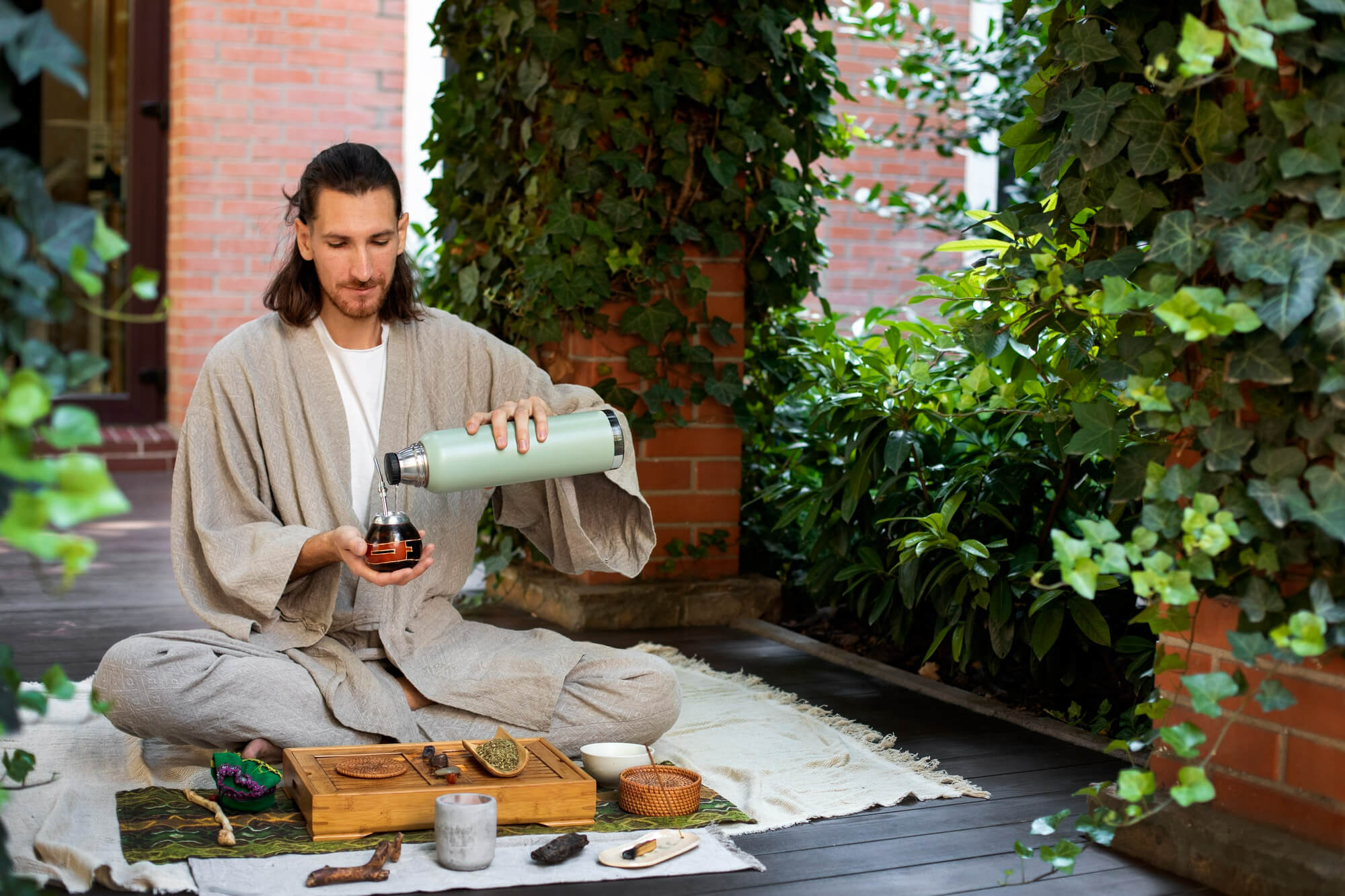
In a fast-paced world where stress, pollution, screen time, and constant busyness dominate, many people are returning to ancient wisdom for peace, wellness, and balance. Ayurveda, one of the oldest holistic health systems, offers guidance that goes beyond diet or herbal remedies. It is a full system that includes routines, rhythms, and rituals that integrate body, mind, and environment. An Ayurvedic home routine can restore harmony in daily living, improve health, support mental calm, and help you feel more grounded.
This article will explain what Ayurveda is in context of daily life, why home routines matter, and walks you through practical Ayurvedic practices you can incorporate to bring balance and wellness into your home.
What is Ayurveda (in Daily Life)
Ayurveda, which means “science of life,” originated in India over 5,000 years ago. It operates on the idea that health is achieved through balance among three fundamental energies or doshas: Vata, Pitta, and Kapha. Each person has a unique constitution, or prakriti, determined by the relative proportions of these doshas. When these energies are in harmony, the body and mind function well. When one of them is out of balance, it can lead to physical or mental issues.
Ayurveda sees illness not merely as symptoms but as signals to adjust one’s daily habits, environment, diet, sleep, and inner state. Therefore routines or dinacharya are central. Routines set predictable rhythms that help the body regulate digestion, sleep, metabolism, stress, and rejuvenation. Re-establishing these rhythms often produces outsized benefits for people who have irregular schedules or high stress.
Why a Home Routine Makes a Big Difference
Our homes are where we eat, sleep, relax, work, and often where stress accumulates. How we live at home—what we do first thing in the morning, how we wind down in the evening—affects health, mood, immunity, and longevity. A thoughtful routine supports:
-
Better digestion through stable meal times
-
Improved sleep quality by having a consistent bedtime ritual
-
Stress reduction by intermittent rest, mindfulness, and detachment from screens
-
Enhanced energy because the body expects and adapts to rhythms
-
Mental clarity and calm by reducing chaos and unpredictability
Incorporating Ayurvedic routines into your home does not require major changes or spending a lot. It often begins with small, regular habits that align with natural rhythms and your body’s needs.
Designing Your Ayurvedic Home Routine
Below are key elements you can include in your daily home routine. You can adapt them based on your dosha type, your schedule, your environment, and what feels manageable.
Morning Practices
Waking up with the sunrise or just before it helps align with natural light cycles. After waking, wash the face with cool water, scrape tongue to remove overnight toxins, brush teeth, and take a few moments in silence or meditate for even just five minutes. Drinking a glass of warm water helps flush out toxins and awaken digestion.
Sunlight exposure in the morning helps regulate circadian rhythm. Spending few minutes in sunlight also boosts Vitamin D and mood. Gentle stretching or yoga asanas loosen up muscles, reduce stiffness, improve circulation, and prepare the body and mind for the day.
Mealtimes and Diet
Ayurveda places strong importance on what, when, and how one eats. Eating the main meal at mid-day when digestion is strongest is ideal. Dinner should be light and eaten at least three to four hours before sleep. Warm, cooked foods are easier to digest than cold or raw ones, especially for those with weaker digestion. Use seasonal, local foods. Herbs like ginger, turmeric, cumin, coriander support digestion, reduce inflammation, and help keep dosha balance.
Avoid overeating. Eat until about three-quarters full. Chew each bite thoroughly. Eating in calm, pleasant surroundings without distractions supports digestion. When meals follow a regular schedule, hunger cues, digestion, energy all stabilize.
Midday and Afternoon Balance
Afternoon is when Pitta energy tends to peak. Keeping the midday period calm helps avoid overheating mentally or physically. If possible, take brief rest after lunch. A short walk in shade or a gentle breathing exercise resets focus. Avoid heavy workload during peak heat. Sipping warm water or herbal teas such as tulsi (holy basil), peppermint, or chamomile aids digestion and cooling.
If needed, light snacks between meals can help maintain energy without burdening digestion. Nuts, fresh fruit, sprouts are good choices when chosen wisely.
Evening Wind Down
Evening rituals are essential because modern life often blurs boundaries between day and night. Start dimming artificial lights, turning off screens at least one hour before bed. Choosing calm music, reading, gentle stretching or self-massage with warm oil eases nervous system tension. A warm herbal bath with calming scents such as lavender, sesame oil, or rose helps release accumulated stress from the day.
Dinner should be light, easy to digest, and ideally eaten in quieter, peaceful atmosphere. Avoid stimulants like caffeine in late afternoon or evening. After dinner, allow digestion to complete before lying down; walking slowly indoors for few minutes helps.
Sleep and Night Routine
Going to bed at consistent time each night sets strong sleep rhythms. Create a bedroom that is clean, calm, and free of clutter. Use soft lighting. Keep temperature moderate, ideally slightly cool. Use natural fabrics for bedding. Avoid keeping electronic devices near bed or with screens facing you. If mind is active, try writing down tomorrow’s tasks to unload thoughts.
If waking in night, avoid switching on bright lights. Gentle lull or warm water helps settle back. Upon waking, open windows or expose oneself to natural light to restart circadian rhythm.
Weekly & Seasonal Adjustments
Ayurveda recognizes that each season changes qualities of weather, light, food, and energy. Routines should adjust accordingly. In hot season reduce heating foods, include cooling foods, avoid midday heat exposure. In cold seasons add warming practices: warm oils, heavier meals, hot water, more rest.
Once a week one self-care ritual helps: such as oil massage (abhyanga), foot soak, or spending time in nature. Cleaning home space, letting fresh air and sunlight in, decluttering helps reset energy in home.
Adapting for Different Doshas
While many routines are generally beneficial, customizing based on Vata, Pitta, or Kapha can make them more effective.
If Vata is strong you might need grounding: more rest, warm foods, calm routine, regular meals. If Pitta is dominant calming practices, avoiding heat, spicy food, cooling teas help. If Kapha is heavy you may benefit from more movement, lighter foods, cleaning routines, more sunlight.
Understanding your dosha can guide which routines you emphasize, but even without full knowledge you can experiment and notice what feels more peaceful, balanced, energetic.
Ayurvedic Home Environment & Practices
The home itself contributes to wellness. Use natural materials where possible: wooden furniture, natural fiber fabrics, cotton, linen. Avoid synthetic smells, strong artificial fragrances. Let in natural light. Keep air moving by opening windows. Grow indoor plants that improve air naturally. Clean with natural methods: herbs, lemon, baking soda instead of harsh chemicals.
Display objects that bring calm and joy. Let space remain uncluttered. Let each room have purpose—space for rest, for activity, for quiet. Surroundings affect mental state deeply.
Mental & Emotional Wellness
Ayurveda sees mind and body inseparable. Daily meditation or mindfulness practice calms the overactive mind. Journaling or reflecting in the evening helps process thoughts. Gratitude practice shifts focus from what is lacking to what is present. Kindness, compassion, restful social interactions reconnect with community.
Avoid overstimulation of senses in evening: dim lights, reduced noise, gentle music. Limit exposure to upsetting news before bed. Use the power of breath: pranayama, simple breathing exercises bring calm and reduce stress hormones.
Realistic Implementation: How to Start
The most successful routines begin small. Pick one or two morning practices. Perhaps warm water on waking and a five-minute stretch. Notice how it feels. Then add one food habit. Then an evening relaxation step. Over weeks build. Be consistent rather than perfect. Some days will be harder—do what you can.
Keep a journal or log: noticing energy levels, mood, digestion, sleep. Over time you will see patterns. Adjust what works and discard what does not.
Benefits You Can Expect
Within a few days you may notice better digestion, more stable energy, less midday fatigue. Within a week improved sleep, calmer mind, less stress. Over longer term lower frequency of illness, stronger immunity, more clarity, feeling more anchored in your life rather than being swept by external chaos.
Conclusion
An Ayurvedic home routine offers more than a wellness trend. It reconnects us with nature, our bodies, inner rhythms, and the rhythms of day and season. It supports health not by reacting when things go wrong but by establishing balance that prevents stress, disease, tiredness and overwhelm.
You do not need to overhaul your life overnight. Small steps, consistent practice, attention to what your body and mind need, make all the difference. Whether you are early riser or night owl, whether you live in a small apartment or large home, you can bring Ayurveda into daily life.
Balance, wellness, calm are not far off. They begin at home with intention, routine, simple choices. Let your home become a sanctuary, your rhythm become your guide, and your wellness your deepest expression.